
February 18, 2026


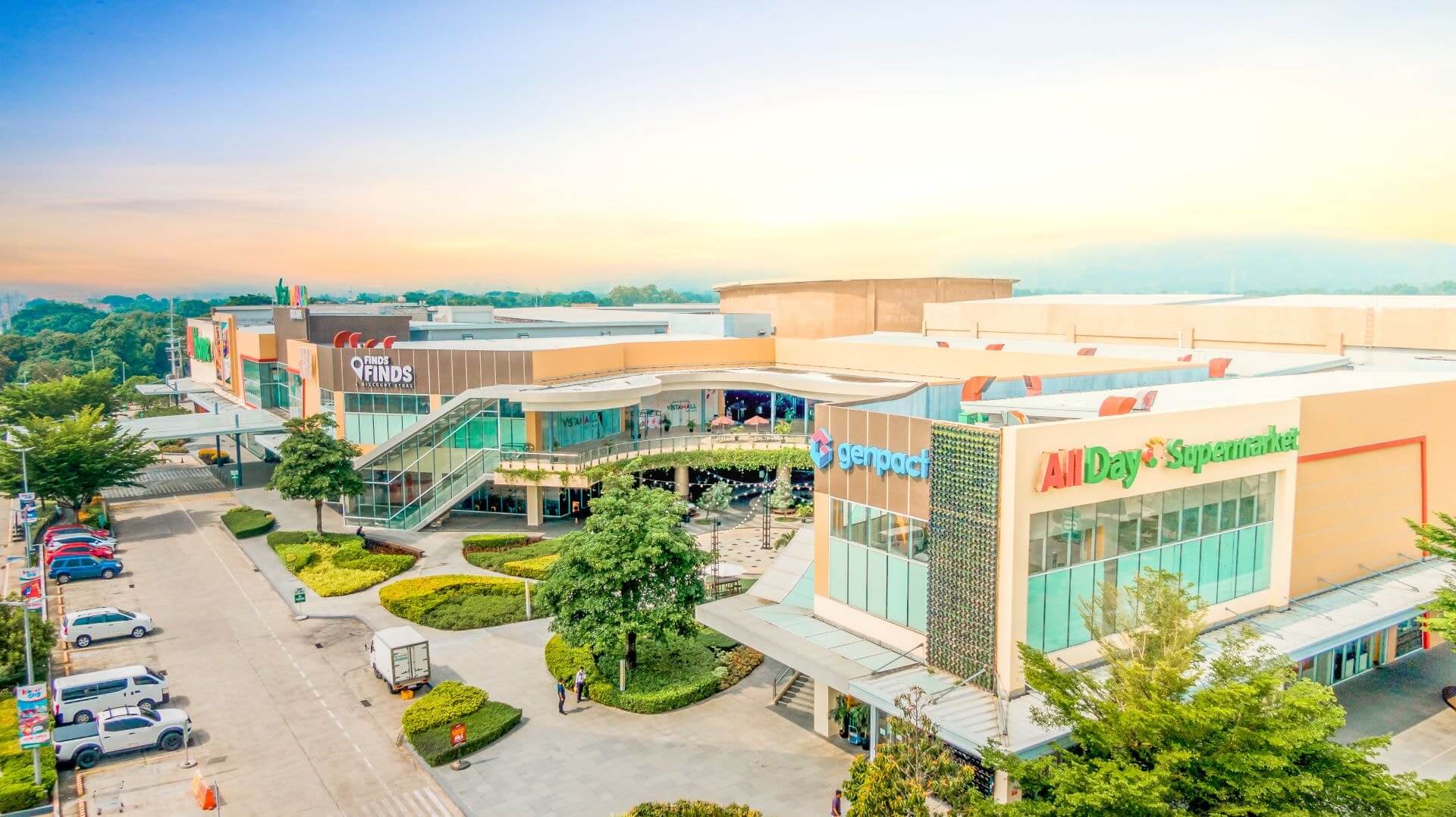
In today’s rapidly urbanizing Philippines, the landscape of real estate is no longer confined to traditional single-use buildings.
Instead, mixed-use developments that combine residential units, commercial spaces, and office spaces are taking center stage across urban areas like Metro Manila, Cebu, and Davao. These mixed-use projects offer residential and commercial spaces in a single building or development. They’re also reshaping how Filipinos live, work, and play.
More importantly, they’re driving property value and delivering tangible benefits to investors, local businesses, residents, and the broader Philippine economy.
The real estate market has embraced mixed-use developments as practical answers to modern urban demands.
Since many people flock to metropolises and urban living centers, space becomes scarce. With mixed-use properties, the need to have residential units and commercial properties in separate spaces has been reduced.
These developments integrate residential spaces, retail stores, office buildings, co-working spaces, healthcare facilities, and even green spaces, creating communities where daily needs are just a short walk away.
This trend isn’t limited to core Metro Manila districts. Iconic mixed-use developments like One Ayala in Makati, Vertis North in Quezon City, and large townships such as Pueblo de Panay in Capiz demonstrate that these residential and commercial spaces are flourishing nationwide.
With more and more mixed-use developments, the market demand for these types of properties is rising strongly.
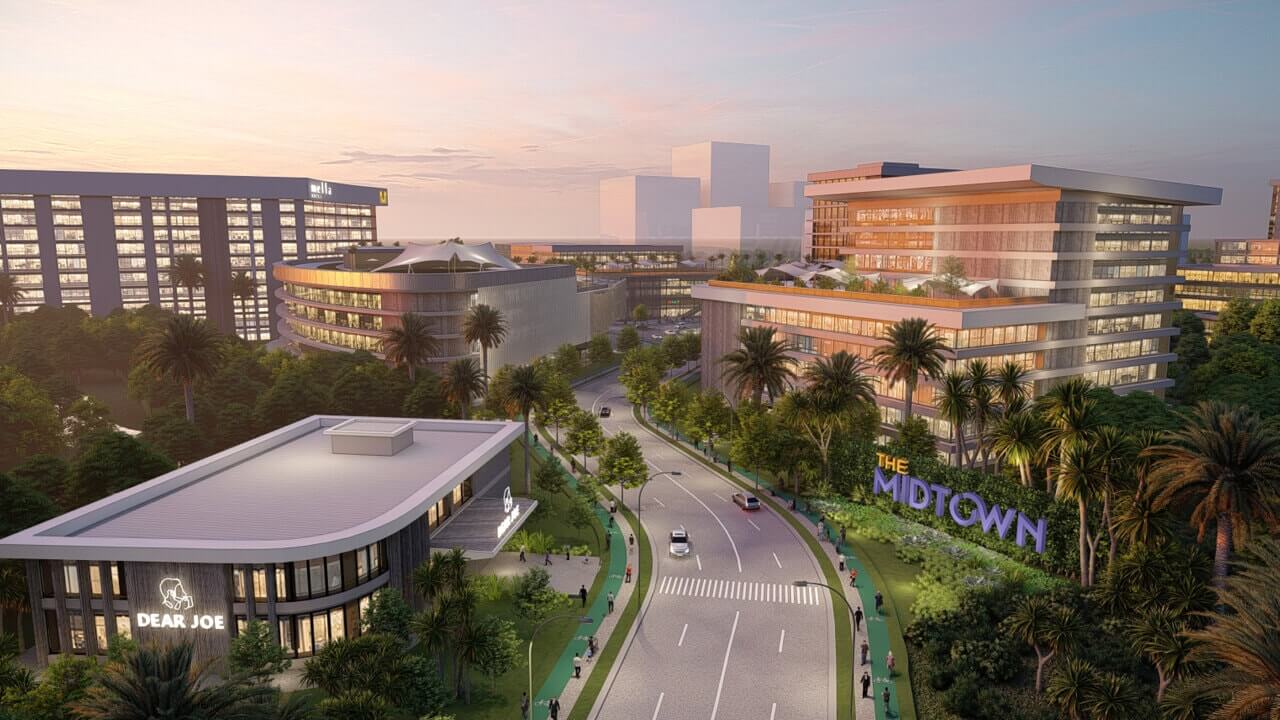
Traditional single-use buildings, whether purely residential or purely commercial, lack the synergy that integrated mixed-use developments deliver.
In contrast to single-use models that often require extensive commuting and zoned separation, mixed-use developments offer:
These advantages highlight why developers, investors, and homebuyers increasingly prefer mixed-use development projects that offer multiple uses in a single building or property.
At the heart of this real estate shift is the simple idea that integrating residential and commercial spaces creates more vibrant, walkable communities.
The success of existing mixed-use developments has provided valuable insights that they do improve the quality of life and daily convenience.
Here are the benefits of mixed-use buildings:
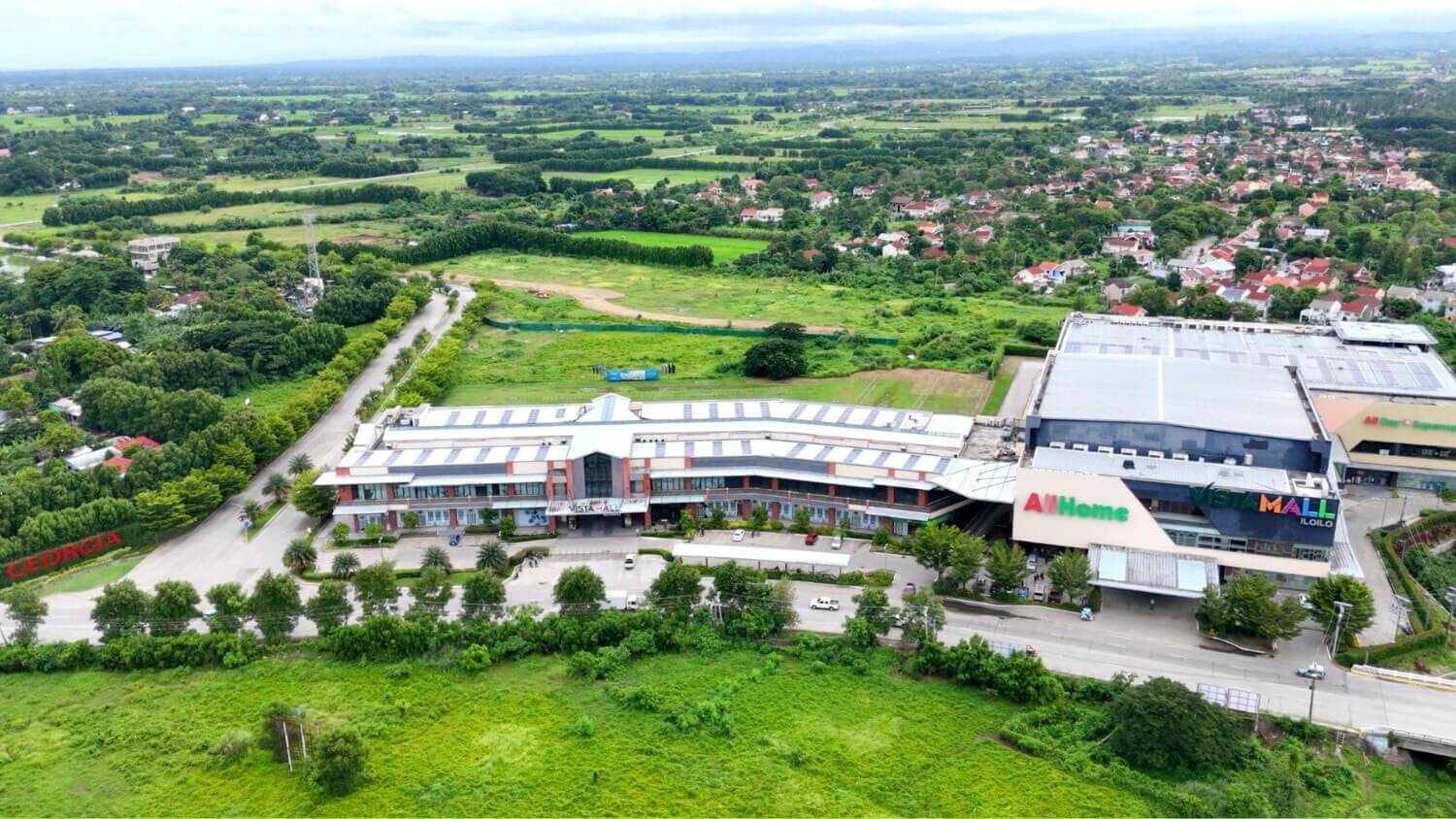
Mixed-use developments maximize limited land, a critical advantage in high-density urban areas.
Instead of allocating separate areas for residential, commercial, and office spaces, these developments stack multiple functions efficiently, reducing sprawl and revitalizing single-use properties into dynamic hubs.
In mixed-use projects, people can live in residential units close to grocery stores, retail spaces, entertainment venues, healthcare facilities, and office spaces.
This close proximity translates into reduced commuting, more leisure time, and a walkable community feel, highly desirable traits that increase property value.
By combining homes with commercial units, retail tenants and retail businesses alike benefit from a built-in customer base.
This increased foot traffic not only supports established businesses but also encourages startups and small ventures to thrive, contributing to economic growth and job creation within mixed-use spaces.

From a real estate investment perspective, mixed-use developments offer diversity beyond residential areas alone.
Investors can benefit from rental incomes across commercial properties, residential components, office spaces, and retail shops. This stability helps cushion against economic fluctuations, compared to relying solely on one type of property return.
The blending of residential and commercial spaces nurtures vibrant communities that support social interaction and convenience
Public green spaces, communal spaces, plazas, and pedestrian-friendly zones foster deeper community engagement. This is a long-term factor that helps sustain demand and appreciation in property values.
Several macro forces fuel the rapid adoption of mixed-use developments in the Philippines, including:
These forces combine to create a real estate environment where mixed-use spaces are not just in-demand and up-to-date, but fundamentally aligned with modern living preferences and sustainability goals.
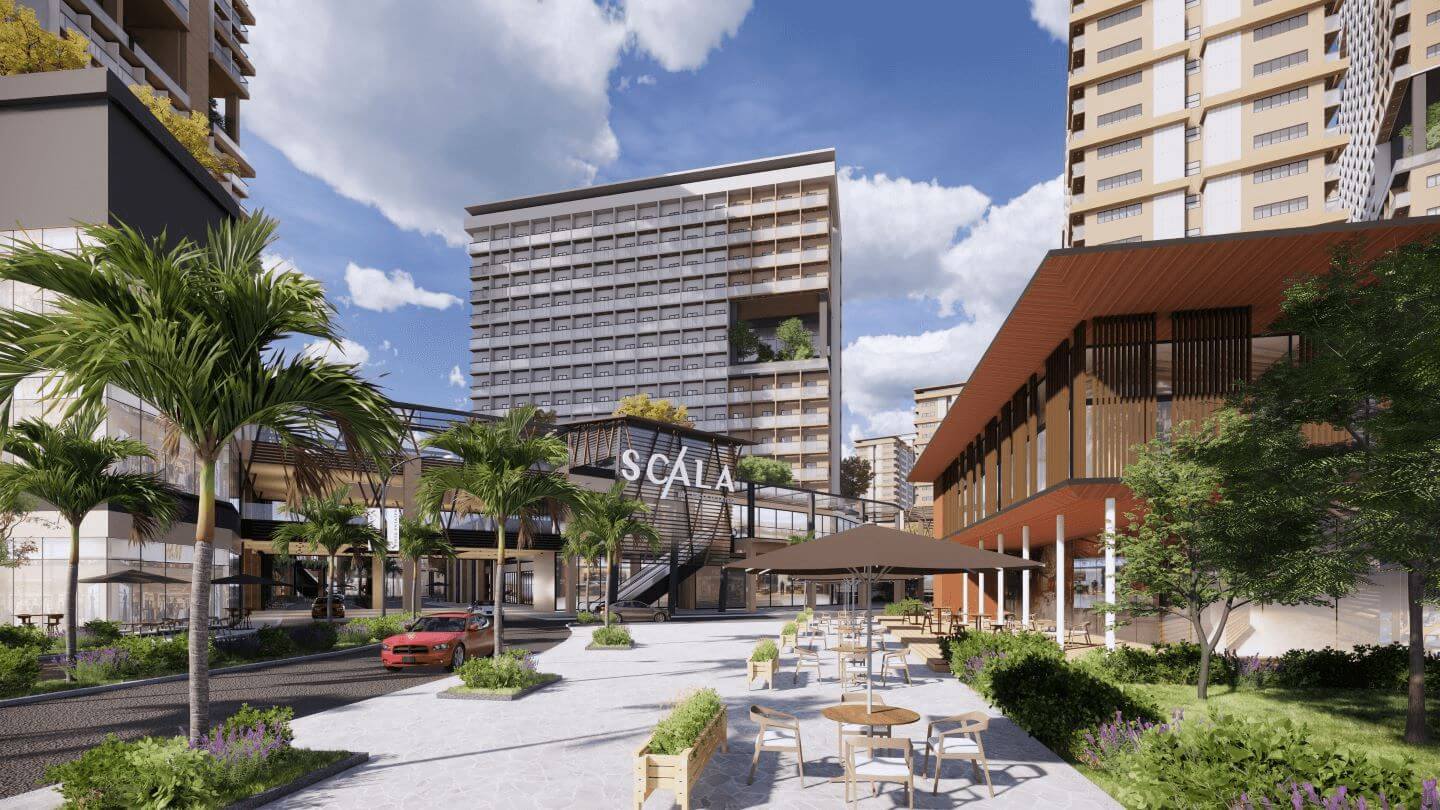
As demand for residential and commercial coexistence grows, so does interest from both domestic and international investors. The Philippines’ real estate market points to sustained opportunities in mixed-use development projects as key drivers of growth, convenience, and property value.
Whether in major hubs like Metro Manila or expanding cities in the provinces, many mixed-use developments are contributing to more resilient and adaptive urban frameworks, reflecting future developments that prioritize live-work-play environments.
At Vista Land, we understand that residential living is more than just a place to sleep. Urban residential living is a whole lifestyle and ecosystem.
That’s why our mixed-use buildings are thoughtfully designed to combine residential, commercial, retail stores, office spaces, recreational areas, and essential services, all within walking distance.
These developments provide:
By integrating residential and commercial spaces in one cohesive community, Vista Land’s mixed-use developments both serve today’s lifestyle and increase property value long into the future.
Explore Vista Land’s mixed-use development projects today and discover how living and investing in a well-planned community can elevate your lifestyle and your financial future.