
April 17, 2026



As the global economy evolves, infrastructure developments are emerging as a defining force behind economic growth, long-term investment, and national competitiveness. Governments are increasing infrastructure spending, accelerating major projects, and strengthening management to ensure that every project delivers measurable impact.
In the Philippines, the Marcos administration has placed infrastructure at the forefront of its development agenda for the current fiscal year. Backed by increased capital outlays, a larger budget, and sustained funding, the government is advancing ongoing projects while launching new projects designed to enhance connectivity and improve national mobility.
At the center of these efforts is the Department of Public Works and Highways, widely known as DPWH. As the lead agency, the DPWH is responsible for implementing large-scale infrastructure projects, ensuring that approved projects move efficiently from planning to construction and ultimately toward completion. Under DPWH Secretary Vince Dizon, the department covers execution strategies to prevent delays, strengthen accountability, and ensures these efforts protect project continuity across every quarter.
Similarly, for the real estate sector, infrastructure developments are more than public works—they are the foundation of future demand, property appreciation, and market expansion.
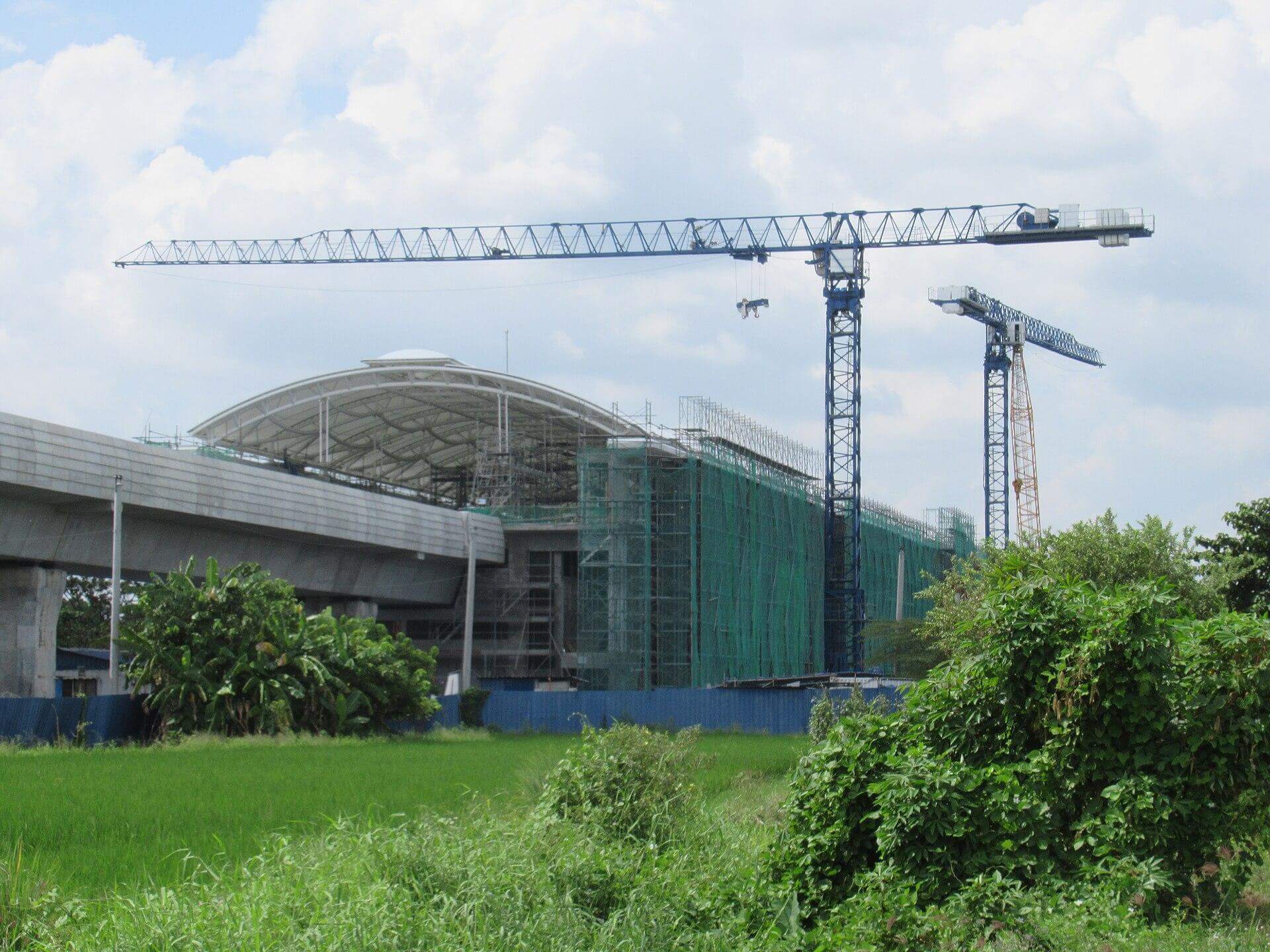
By RamaGaspar – Own work, CC BY-SA 4.0, https://commons.wikimedia.org/w/index.php?curid=124284668
The link between infrastructure developments and economic growth is both immediate and long-term. Increased infrastructure spending improves access, strengthens connectivity, and enables more efficient business operations across regions.
Well-planned infrastructure projects contribute to the economy by:
Improving access to key economic centers
Better roads and transport routes reduce travel time, allowing workers and businesses to operate more efficiently. This expanded access increases labor mobility and supports business expansion.
Boosting logistics and supply chain operations
Efficient infrastructure lowers transportation costs, reduces delivery time, and improves reliability. This strengthens markets and enhances the competitiveness of local industries.
Attracting local and foreign investment
Investors prioritize areas with strong connectivity and completed infrastructure projects. Reliable infrastructure reduces risk and supports long-term investment strategies.
Supporting regional and national development
Infrastructure creates opportunities in emerging areas, distributing growth beyond traditional urban centers and strengthening the overall economy.
These outcomes collectively boost productivity and reinforce infrastructure as a key pillar of national progress.
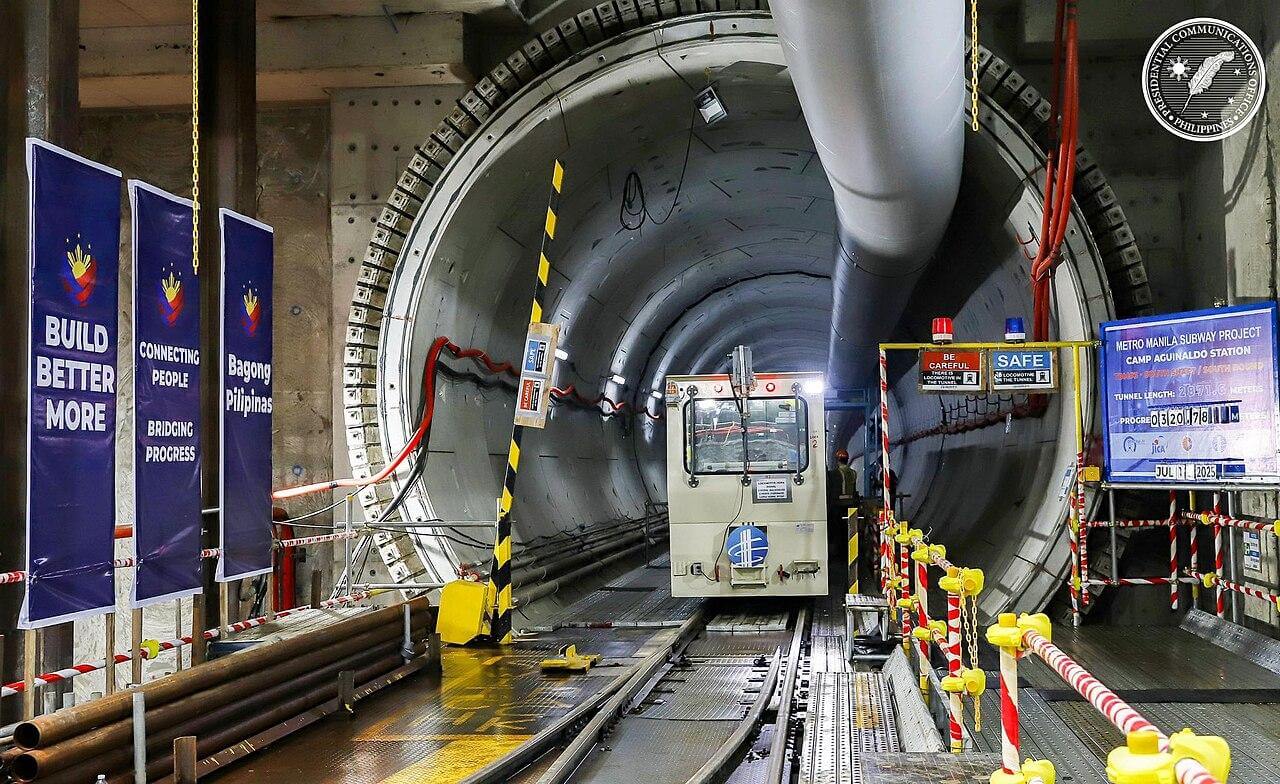
By Presidential Communications Office – Presidential Communications Office website (https://pco.gov.ph/photos/?post_id=223478), Public Domain, https://commons.wikimedia.org/w/index.php?curid=170440839
For the current fiscal year, the government has significantly increased capital outlays to support major projects and big ticket infrastructure projects. This reflects a clear priority to sustain infrastructure developments in 2026.
A major improvement in project delivery is the emphasis on completing the detailed engineering design phase before construction begins. This approach ensures that each project is technically sound, financially viable, and ready for execution.
This strategy helps:
Prevent delays and cost overruns
By finalizing the detailed engineering design, potential issues are identified early, reducing the likelihood of disruptions during construction.
Ensure efficient allocation of funding
Proper planning allows the agency to allocate budget and funding more effectively, ensuring that resources are used where they deliver the most value.
Improve project timelines and completion rates
With clearer plans and defined milestones, projects are more likely to reach completion within the targeted quarter.
Reduce financial and operational risk
Early-stage planning minimizes uncertainties, making infrastructure projects more attractive to investors and stakeholders.
This disciplined approach strengthens confidence in public works and infrastructure delivery.
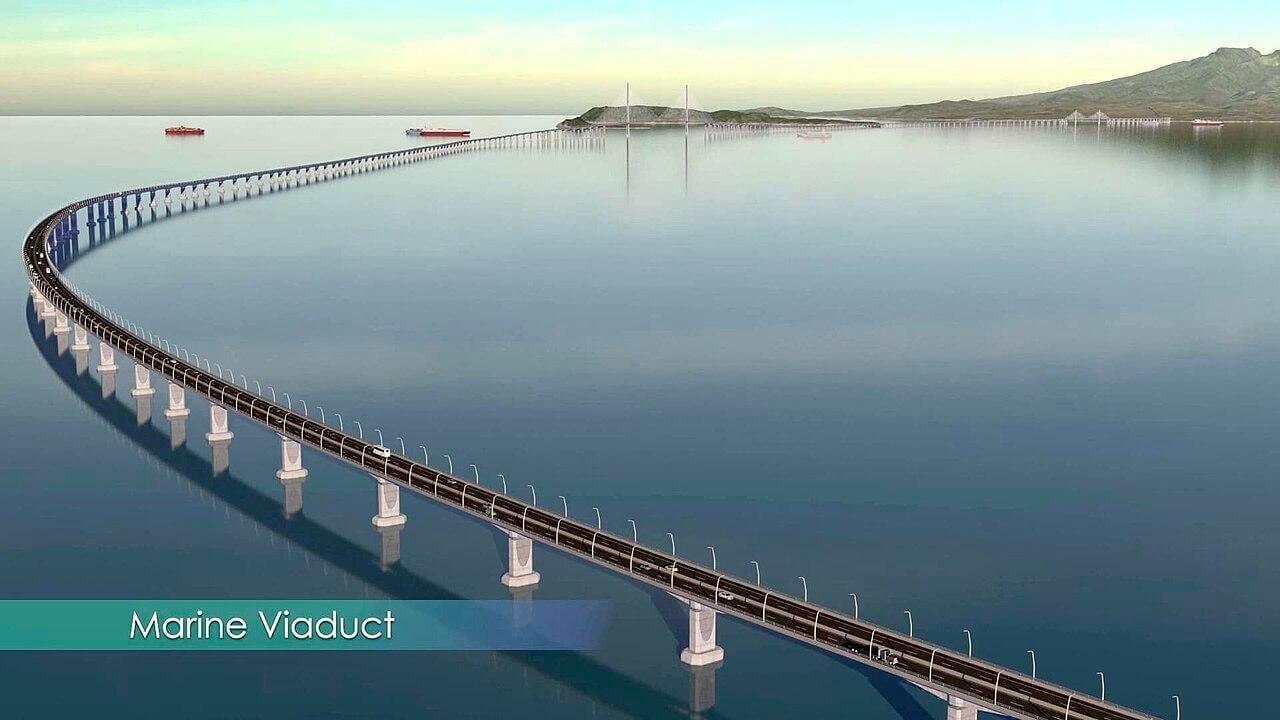
By Department of Public Works and Highways (DPWH) – https://web.facebook.com/dpwhph/posts/pfbid023MrvVfnDoVWFvh5EQYiijCd2jJxMqeDTuqre2SSskAebzSo7epMMz1rsZwJgfVqVl, Public Domain, https://commons.wikimedia.org/w/index.php?curid=123430431
One of the most transformative major projects under infrastructure developments in 2026 is the Bataan Cavite Interlink Bridge. This large-scale bridge will connect Central Luzon and CALABARZON, improving connectivity across two key economic regions.
This big ticket infrastructure project is expected to deliver significant benefits:
Reduced travel time across major routes
The bridge will shorten travel between provinces, improving daily operations for businesses and commuters.
Decongestion of Metro Manila highways
By providing an alternative route, the project eases pressure on highways in Metro Manila, improving traffic flow.
Boost in logistics and industrial development
Improved connectivity supports warehousing, manufacturing, and distribution hubs, driving regional development.
Increase in real estate demand and investment
As accessibility improves, nearby areas become more attractive for residential and commercial investment, boosting property values.
The Bataan Cavite Interlink Bridge demonstrates how infrastructure can directly reshape real estate markets.
In addition to flagship projects, the government continues to implement ongoing projects focused on expanding highways, improving road networks, and strengthening regional connectivity.
These infrastructure projects play a crucial role in:
Enhancing connectivity across regions
Improved routes allow smoother movement of goods and people, strengthening regional integration and economic activity.
Expanding access to emerging markets
Better access opens up emerging areas for residential and commercial development, creating new investment opportunities.
Supporting tourism and local economies
Improved infrastructure encourages travel and spending, boosting local markets and supporting small businesses.
Reducing transportation costs and operational risk
Efficient infrastructure lowers costs for businesses, improving profitability and long-term sustainability.
These ongoing projects are critical in shaping the next wave of real estate growth.
For the property sector, infrastructure developments are a direct driver of real estate demand. Improved connectivity and access increase the attractiveness of both residential and commercial developments.
Demand is driven by:
Proximity to infrastructure projects
Properties near completed or upcoming infrastructure projects often experience faster value appreciation.
Access to highways and transport systems
Direct access to highways and key routes improves convenience, making properties more desirable.
Stronger economic growth in surrounding areas
As infrastructure supports business activity, local economy growth leads to increased housing and commercial demand.
Early investment ahead of completion
Investors who enter markets ahead of project completion can achieve higher returns as values rise over time.
These factors make infrastructure a key consideration in real estate strategy.
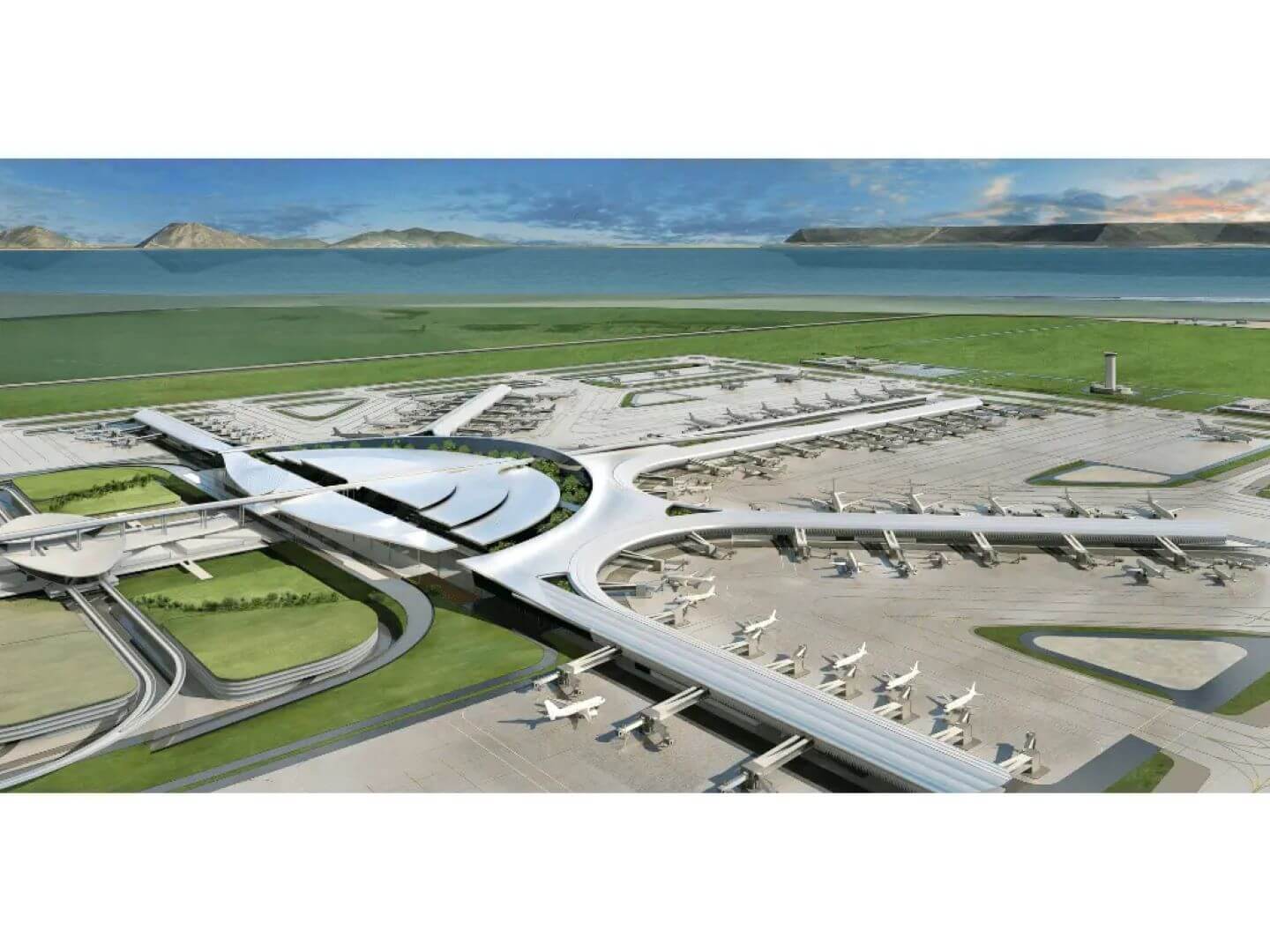
Image source: https://insiderph.com/insider-view-bulacan-airport-is-a-bet-on-the-philippines-future
A major focus of infrastructure developments in 2026 is improving project management to ensure timely delivery and reduce delays.
The DPWH and partner agency networks have introduced:
Real-time monitoring and reporting systems
Digital tools provide accurate report updates on project progress, improving transparency.
Improved contractor and account management
Better oversight ensures that contractors meet performance standards and deliver on time.
Cross-agency coordination for continuity
Stronger collaboration ensures that projects maintain continuity across planning and execution stages.
Quarterly performance tracking
Monitoring progress every quarter allows early identification in the event of performance issues and the faster resolution of potential problems.
These measures ensure that infrastructure systems operate efficiently after completion.
Infrastructure expansion is also driving regional integration, a trend seen in regions such as Latin America. Countries are increasing infrastructure spending to improve connectivity and support economic cooperation.
The Philippines is following a similar strategy by:
These efforts position the country at the forefront of global infrastructure developments.
For developers and investors, aligning with infrastructure developments in 2026 is essential to achieve sustainable returns.
Effective strategies include:
Targeting areas near major projects and ongoing projects
These locations benefit directly from improved connectivity and rising demand.
Investing ahead of project completion
Early entry reduces acquisition costs and increases potential returns.
Focusing on emerging growth corridors
Identifying emerging areas supported by infrastructure provides long-term growth opportunities.
Supporting mixed-use and integrated developments
Projects that align with infrastructure priority areas are more likely to succeed.
While construction is critical, maintenance and rehabilitation ensure that infrastructure systems continue to operate effectively.
The government’s focus includes:
This ensures that infrastructure continues to support the economy and real estate markets over time.
Sustained infrastructure spending depends on effective budget management and reliable funding.
The government’s approach includes:
This strategy ensures that infrastructure developments in 2026 remain sustainable and impactful.
Looking beyond the current fiscal year, infrastructure developments are laying the groundwork for growth over the next decade.
Future projects are expected to:
These trends will continue to shape the Philippine economy and real estate landscape.
In 2026, infrastructure developments remain a key driver of economic growth, real estate expansion, and national development. Through sustained infrastructure spending, strong management, and the rollout of major projects, the government is building a more connected and competitive economy.
As ongoing projects move toward completion, they will continue to boost investment, improve access, and expand real estate markets.
For developers, investors, and clients, aligning with infrastructure developments in 2026 is essential to staying ahead in a rapidly evolving landscape.