
December 5, 2025


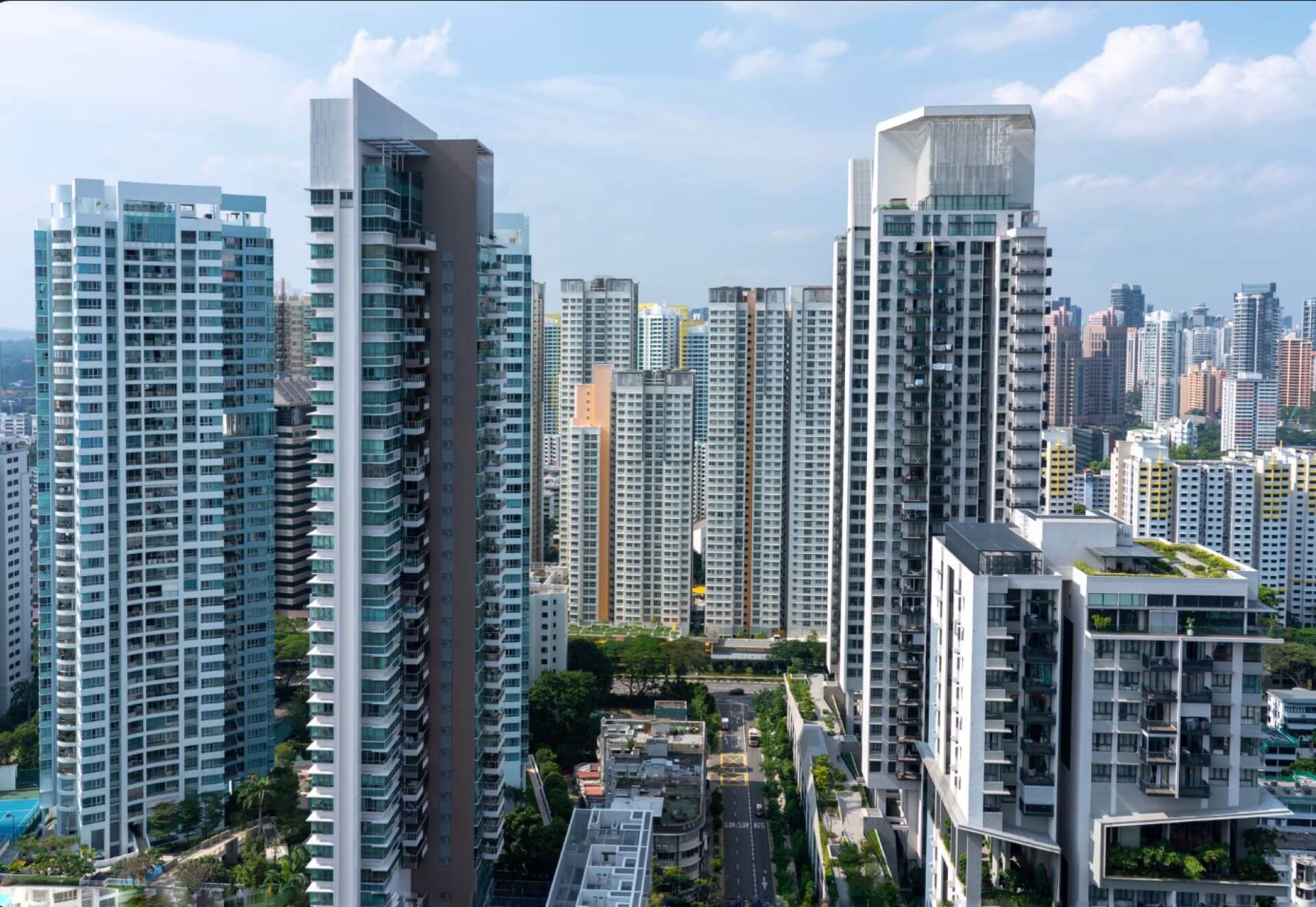
There is a certain point in life when conversations and the way we conduct business begin to revolve around more intentional goals. Not dramatic shifts, just a steady interest in smarter planning. Friends start comparing notes on investments. Colleagues talk about opportunities beyond their regular income, finding ways to expand limited resources. Real estate enters the picture, and before long, the question becomes whether to lease or buy commercial real estate in the country’s rising growth centers.
These discussions matter because the environment is changing. Cities are expanding with more purpose. Communities are being built with access, convenience, and lifestyle in mind. As these districts grow, commercial property becomes a strategic asset for those who want to build something stable for the long run.
Understanding the difference between leasing and buying creates clarity for anyone interested in long-term growth.
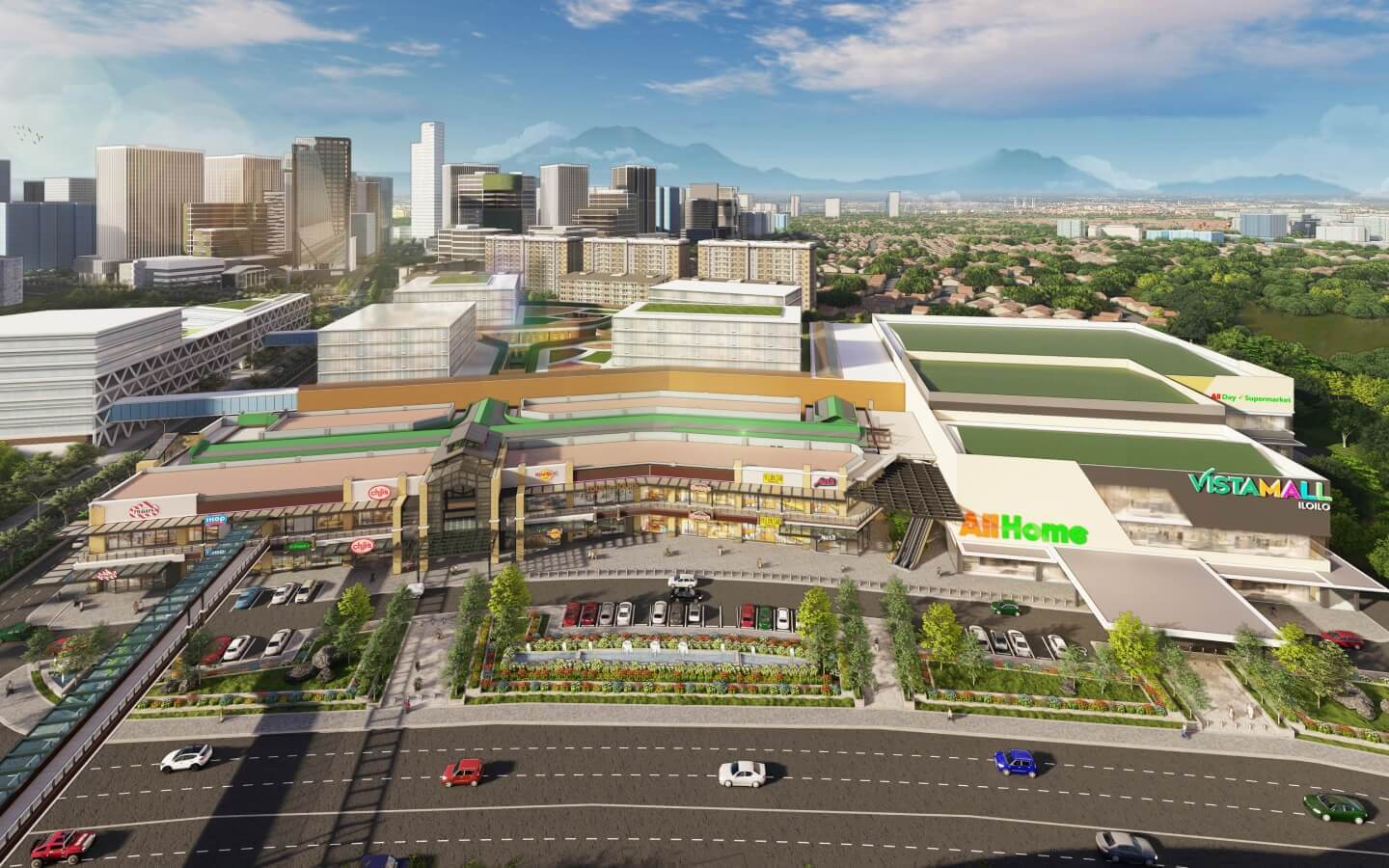
Today, growth centers are designed to function as integrated environments. Commercial space sits close to residential communities, lifestyle hubs, business districts, schools, and health facilities. This blend attracts investors who want their ventures to operate where people naturally gather.
With this structure, individuals and businesses often evaluate whether it is better to buy commercial property or enter a leased property instead. Both paths offer advantages, especially when approached with a clear understanding of business needs and financial direction.
Leasing commercial real estate is a strategic move for those who prefer a lighter commitment. It provides access to a desirable commercial space without requiring heavy upfront costs. Lease payments are predictable and allow businesses to manage expenses more efficiently.
A leased property also minimizes operational stress. Property owners handle structural issues, property taxes, major maintenance costs, and property insurance. This gives tenants the freedom to focus on their operations rather than on building upkeep. For businesses still exploring identity or anticipating market shifts, flexibility matters. It becomes easier to adapt when lease agreements end and circumstances change.
Leasing commercial property also offers tax benefits. Certain business expense deductions related to a commercial lease can ease financial pressure, especially during the early stages of growth.
For many, the appeal lies in entering a prime location without the financial weight of owning property immediately.
Buying commercial real estate reflects a more committed direction. Ownership provides full authority over how the space evolves. Improvements can be made without negotiating with landlords. Plans can extend years ahead without concern for lease renewals or policy changes.
Property ownership includes mortgage payments, maintenance costs, property taxes, and property insurance, but this responsibility comes with meaningful advantages. Over time, property value may increase, particularly in areas experiencing strong development. This appreciation helps strengthen long-term financial stability.
Ownership also provides tax advantages through depreciation and other allowable deductions. These benefits add another layer of value to the investment, supporting long-term strategies for individuals and businesses alike.
When the goal is long-term growth, owning property becomes more than a place of operation. It becomes an asset that strengthens overall financial health.

A practical way to decide between leasing and buying is to analyze financial scenarios. This includes projecting lease payments over several years, estimating business expense deductions, and comparing them to the mortgage payments and upfront costs required to buy commercial property.
Growth centers typically show steady upward movement in land and commercial property values. Investors often model expected appreciation, tax advantages, and potential rental income if the property is leased out later. This type of analysis reveals how each option aligns with long-term goals.
Buying real estate becomes an attractive option for individuals and small businesses that want long term stability and the ability to build equity at a steady pace. When buying a commercial property, several factors come into play, beginning with the down payment, closing costs, and working capital needed to support early operations. While these commitments may feel heavier at the start, they contribute to an asset that grows in value over time and strengthens overall financial benefits. For those who want full control of their commercial space, ownership also allows freedom with property modifications, helping the space match specific operational needs.
Leasing remains a practical option for businesses choosing flexibility over permanence. A security deposit is usually the main initial requirement, which helps conserve cash flow and allows companies to allocate resources toward immediate needs. Rent is predictable during the agreed lease term, although rent increases may occur depending on market conditions or other factors affecting the area. For companies navigating hybrid work models or those facing changing circumstances, leasing often makes sense because it avoids long commitments and reduces maintenance responsibilities that typically fall on property owners.
Deciding between leasing and buying hinges on key factors such as business plans, operational needs, and financial objectives. Each approach supports different goals, and understanding how they impact long term growth helps ensure that the final choice is a well informed decision. In fast growing districts where other tenants, evolving demand, and shifting market forces influence the environment, a clear understanding of risks and rewards helps businesses and investors choose the path that aligns best with both stability and progress.
Today’s investors place value on more than numbers. Many prefer commercial property in districts where accessibility, convenience, and environment contribute to the overall quality of life. These lifestyle-driven decisions influence long-term profitability since thriving surroundings naturally support higher foot traffic, better business performance, and stronger appreciation potential.
This is why commercial space inside modern growth centers attracts both entrepreneurs and those expanding their portfolios.

There is no one approach that fits everyone. Leasing commercial real estate benefits those who value low upfront costs, flexibility, and a lighter structure. Buying commercial real estate suits those who want long-term stability, control, and an appreciating asset.
The key is understanding personal readiness, financial capability, and long-term direction. Both paths can be successful when aligned with clear intentions and realistic planning.
Market conditions play a major role in deciding whether leasing or buying makes better sense. When interest rates shift, when demand for office space rises, or when new developments open in key districts, the financial implications of each option can change quickly. This is why many investors and business owners review their growth plans carefully before committing. Those who plan to expand soon may prefer the flexibility of leasing, while those with established business models may find more long-term value in owning property outright. Evaluating tax implications, potential tax breaks, and asset appreciation also helps determine whether a long-term investment aligns with overall financial objectives. By understanding how these factors interact, investors can approach each decision with clarity and confidence.
Discussing commercial real estate has become more common among young professionals and emerging investors. It is no longer viewed as an advanced milestone but as a natural part of planning for a secure future. Whether someone chooses lease payments for agility or embraces the responsibilities of owning property, the goal remains the same. To make choices that support growth in a practical, steady, and future-focused manner.
For anyone drawn to districts that offer balance, opportunity, and thoughtful design, certain master planned communities across the country provide environments built exactly for that vision. Vista Estates continues to develop spaces where commercial opportunities, lifestyle hubs, and modern neighborhoods grow together with intention. These districts support both leasing and owning, giving individuals and businesses room to explore the path that fits their goals best.