
May 18, 2026


Construction costs in the Philippines have remained volatile in recent years, while demand for housing near business districts, transport links, and commercial hubs continues to rise. For investors, this has changed the way residential property is evaluated. Standalone subdivisions and isolated condominium towers are no longer the only options drawing attention. Increasingly, buyers are studying how large-scale communities function over time: how residents move through them, where services are located, and whether the surrounding infrastructure can provide residents and investors with long-term demand.
This is where the appeal of a master planned community becomes more apparent and perceived as a wise choice. Across growth areas in Cavite, Laguna, Pampanga, Iloilo, Davao, and other regional centers, developers like Vista Land are building carefully designed and well-thought-out master planned estates that combine residential districts, retail areas, offices, schools, and recreational zones within a single, secure environment.
For investors navigating rising land and construction costs, these integrated projects offer a more structured path toward long-term value.
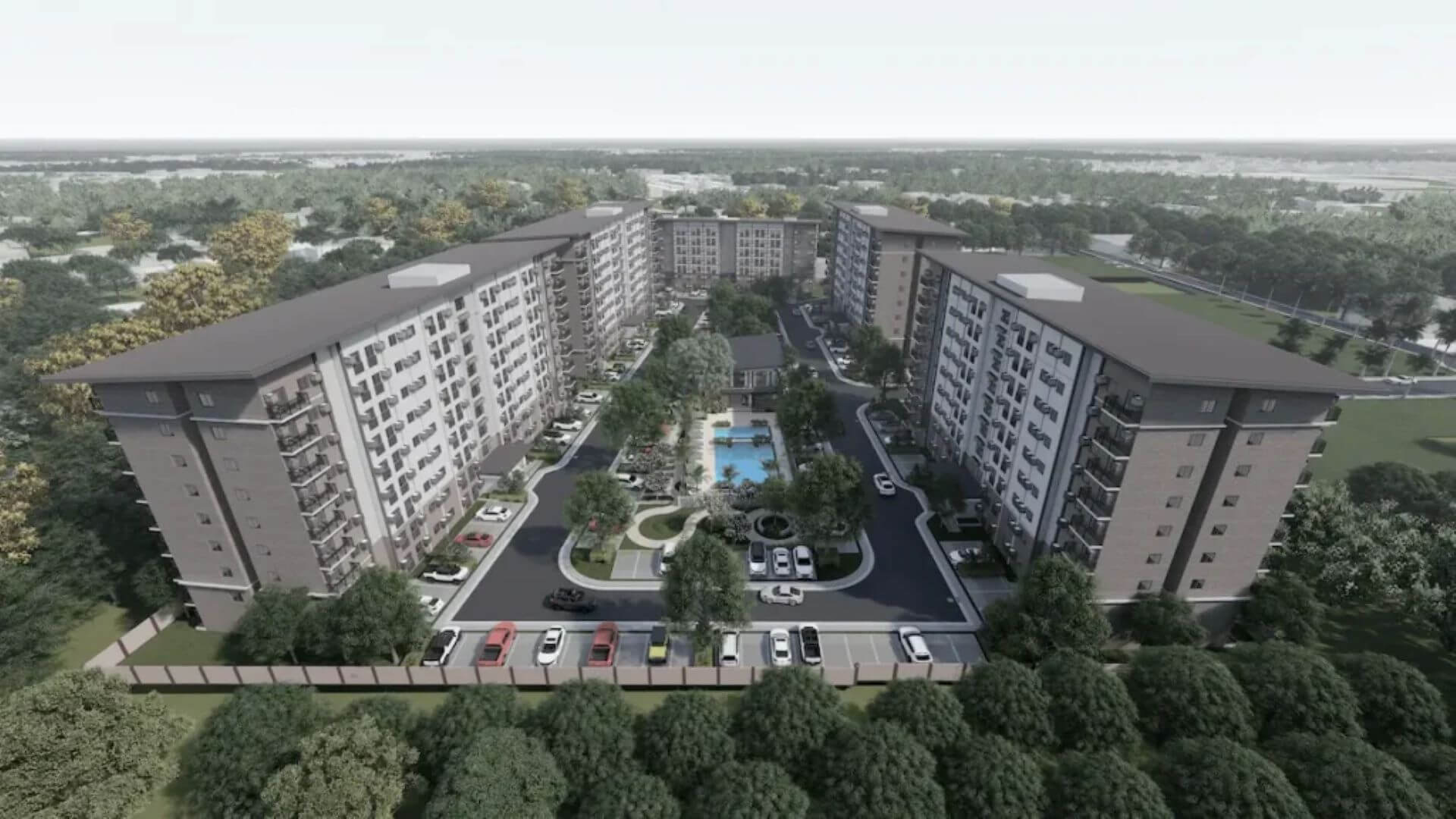
A master planned community is a large-scale residential and mixed-use development designed under a unified long-term vision. Unlike smaller subdivisions that expand in phases without a cohesive layout, master planned developments are typically built around transport access, commercial districts, educational institutions, and public utilities from the beginning.
Many of these master planned estates function as self-contained communities, where residents can access daily necessities, workplaces, schools, and recreation within a relatively short distance from their dream home. The goal is to support everyday life through coordinated planning rather than relying entirely on surrounding cities.
For investors, this structure matters because property values are often tied to accessibility and long-term usability. Projects with high-quality infrastructure, controlled access points, gated entrances, and organized road networks generally maintain stronger market appeal over time. A well-planned estate can also reduce the uncertainty that sometimes affects fragmented developments.
As urban congestion increases, many master planned communities are becoming increasingly popular among buyers seeking both lifestyle and investment stability.
Several factors explain the growing interest in master planned living among property investors.
Rental demand tends to remain stronger in communities with easy access to schools, offices, shopping centers, and public transport. Tenants increasingly prioritize convenience in daily life, especially in regional cities where transport networks continue to expand.
For families, proximity to educational institutions and parks can become a deciding factor. Working professionals, meanwhile, often value access to transport terminals and commercial establishments. These factors help support occupancy rates within planned communities.
Infrastructure projects often influence the trajectory of property investment. New bypass roads, rail systems, and major highways can improve connectivity and increase land demand over time.
Many master planned developments are released in phases. Early buyers may benefit as succeeding phases introduce additional retail zones, offices, and community amenities. This gradual expansion can strengthen long-term growth prospects while supporting higher resale prices later on.
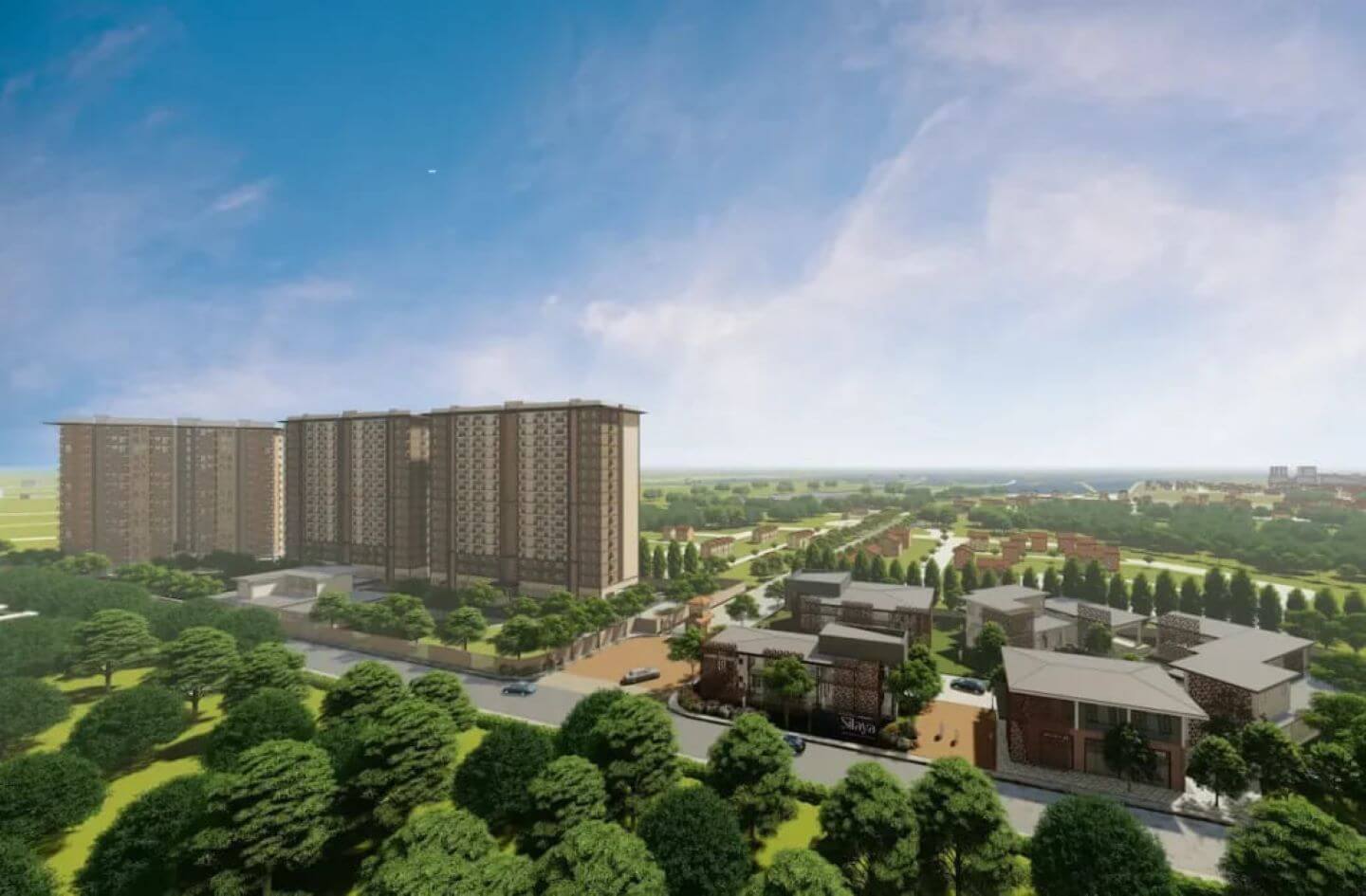
Investors are no longer relying solely on resale appreciation. Depending on location and zoning, properties inside self-contained cities may generate rental income from long-term tenants, transient renters, or nearby commercial activity.
Some investors also purchase multiple units or lots within master planned estates to diversify returns across residential and mixed-use segments.
A well-maintained environment often supports stronger resale performance. Buyers are generally willing to pay more for developments with visible upkeep, organized traffic systems, security, and established community services.
Features such as green spaces, walking trails, fitness centers, swimming pools, and recreational facilities to help residents stay active, can also contribute to perceived value. These elements create a more consistent residential experience, which attracts more buyers over time.
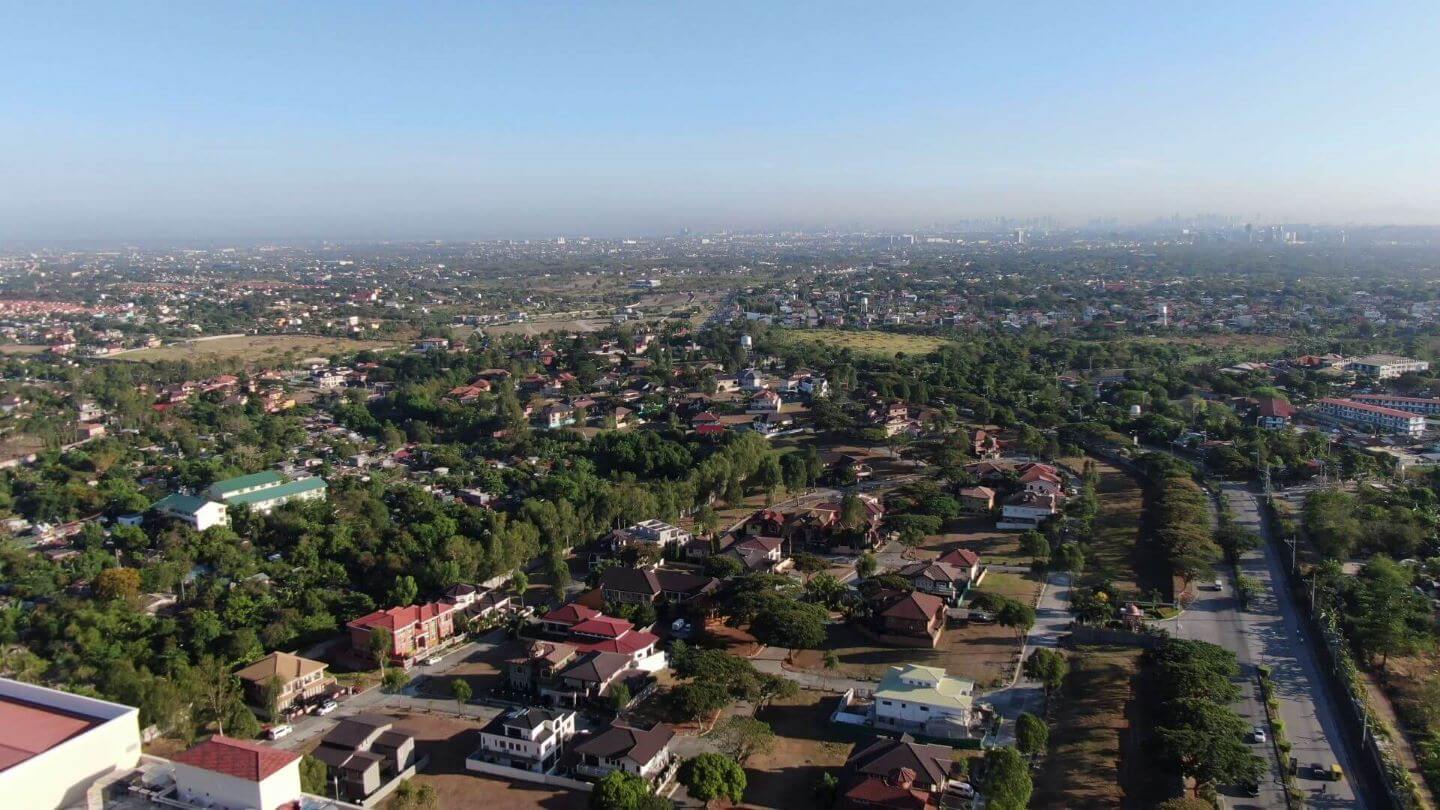
One reason planned communities continue to attract investors is their broad market appeal.
Young families often prioritize security, proximity to schools, and safe shared spaces where children can spend time outdoors. Features like walking trails, playgrounds, and recreation facilities make these communities attractive to long-term residents.
Older buyers and downsizers usually look for convenience and accessibility. Nearby retail areas, healthcare services, and community amenities can reduce the need for long commutes. Developments with fitness centers, landscaped open spaces, and organized transport access may also appeal to this segment.
Investor-buyers, meanwhile, focus on tenant demand and occupancy potential. Communities located within a short distance of transport routes, business districts, and commercial centers generally attract a wider rental market. This broader tenant base can help reduce vacancy risk.
A strong sense of organization within the community also contributes to retention. In many integrated estates, residents become familiar with shared routines and communal spaces, creating a strong community atmosphere that encourages longer stays and even lasting friendships among neighbors.
For investors entering master planned estates, one common decision involves choosing between a house and land package and a standalone land package.
A house and land package combines the residential lot and the home construction contract into a single purchase arrangement. This option appeals to buyers who want predictable timelines and coordinated home designs. Developers may also offer financing assistance or builder incentives that simplify the process for a home buyer.
Land-only purchases offer greater flexibility. Investors can hold the property for future resale, construct later, or customize the design according to changing market conditions. In some cases, negotiating directly for a land package may provide better pricing opportunities during early project phases.
Financing approaches vary depending on investment goals. Buyers focused on rental income may prefer a completed house and land package that can generate returns sooner. Long-term investors who expect land appreciation may choose undeveloped lots instead.
Making an informed decision requires balancing construction costs, holding periods, and projected demand within the surrounding area.
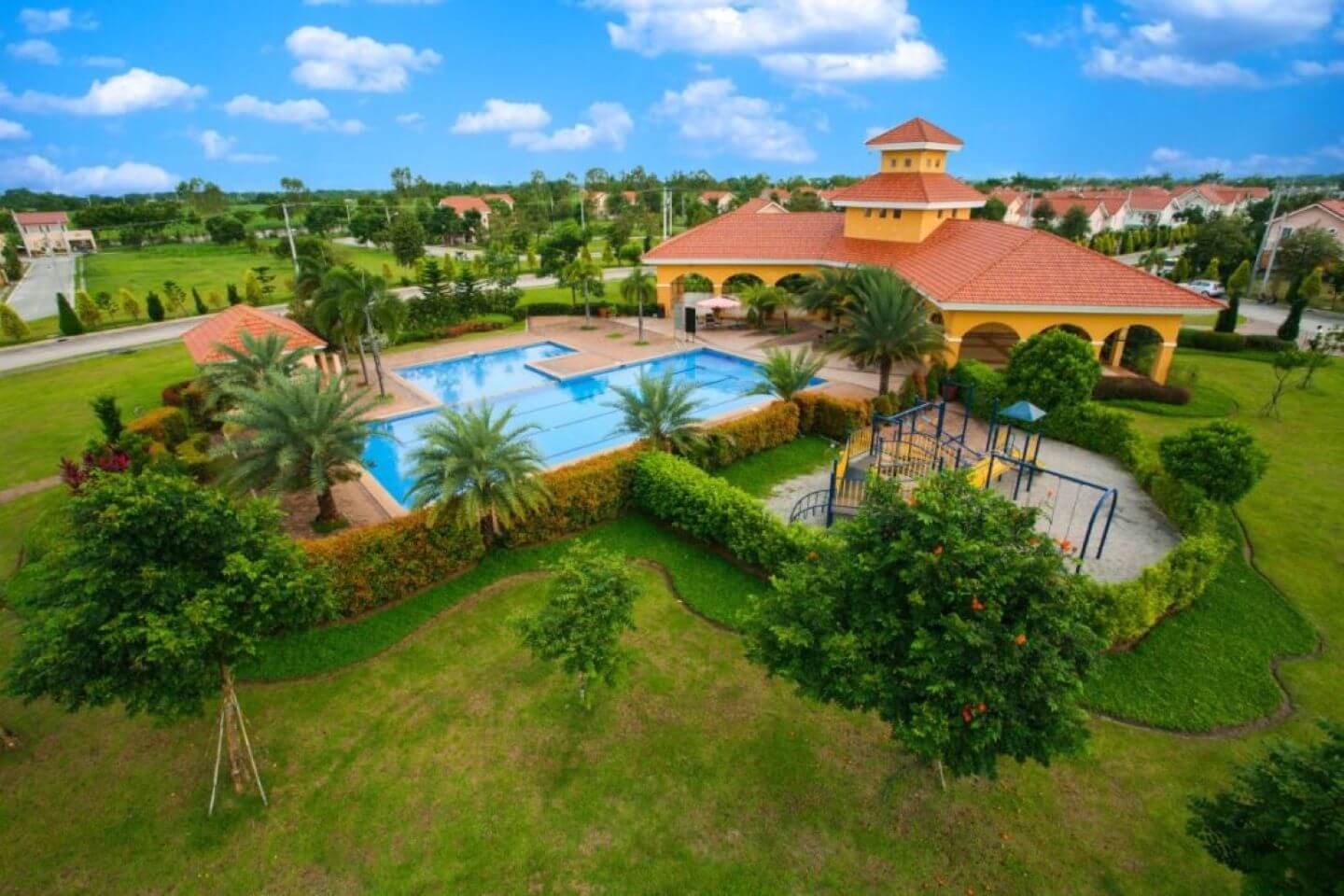
Amenities have become central to residential demand in integrated developments. Buyers increasingly expect more than residential roads and perimeter fencing.
Today, community amenities often include swimming pools, tennis courts, clubhouses, fitness centers, landscaped parks, and organized leisure activities. In larger self-contained communities, residents may also have access to retail strips, schools, and business districts within the estate itself.
These features influence tenant retention. Properties located near shared spaces and recreational zones may experience longer lease durations because residents become more integrated into the surrounding environment.
Green spaces also matter financially. Properties near landscaped areas and pedestrian-friendly zones tend to attract stronger residential demand, particularly among younger professionals and families seeking a balance between work and home life.
However, investors should also examine maintenance obligations carefully. Amenities require ongoing maintenance, and association dues can affect long-term returns. While these fees help preserve a high-standard environment, they should still be evaluated alongside projected rental income.
Strong property management often separates successful integrated estates from projects that decline over time.
Investors should review homeowners association policies, maintenance records, and fee structures before purchasing. Consistent upkeep of roads, landscaping, and community services helps preserve property values across different project phases.
Future supply must also be monitored. While large-scale developments offer many benefits, excessive inventory releases within a short period may temporarily soften resale activity or rental rates.
Professional leasing management can also improve performance. Investors who own rental units inside master planned communities often benefit from organized tenant screening and centralized maintenance coordination.
For many investors, integrated estates provide a more stable framework for navigating rising costs and changing urban patterns. The combination of security, accessibility, community amenities, and organized infrastructure gives these developments broader market appeal across multiple buyer segments.
Still, a good investment depends on timing, due diligence, and realistic expectations. Investors should evaluate how transport links, phased expansion, and operational management may affect future demand. Understanding both the strengths and limitations of master planned living allows buyers to position their property investment more carefully.
As Philippine cities continue to expand outward, master planned developments are likely to remain part of the conversation around sustainable residential growth, convenience, and long-term residential demand.
Explore thoughtfully designed communities by Vista Estates, offering integrated residential environments, modern amenities, accessible locations, and investment opportunities designed for families, professionals, and investors seeking long-term property value across the Philippines.