
June 17, 2026


Why open spaces are essential in communities has become an increasingly important question as cities expand, residential developments become denser, and daily routines spend more time indoors. Across urban areas and growing towns, planners, developers, and public health experts continue to emphasize the value of accessible green spaces, parks, and public open spaces in supporting healthier, more connected ways of living. Far from being leftover land between buildings, these spaces serve practical functions that influence community health, environmental quality, and overall well-being.
By 2050, over two-thirds of the global population will live in cities, which makes the integration of green spaces in urban planning necessary to create healthier living environments. A growing body of research also points to the importance of maintaining a strong connection to the natural environment, even in highly developed settings.
Whether through neighborhood parks, tree-lined streets, community gardens, or larger public places, access to nature contributes to both physical and mental health while creating opportunities for recreation, social interaction, and long-term sustainability.
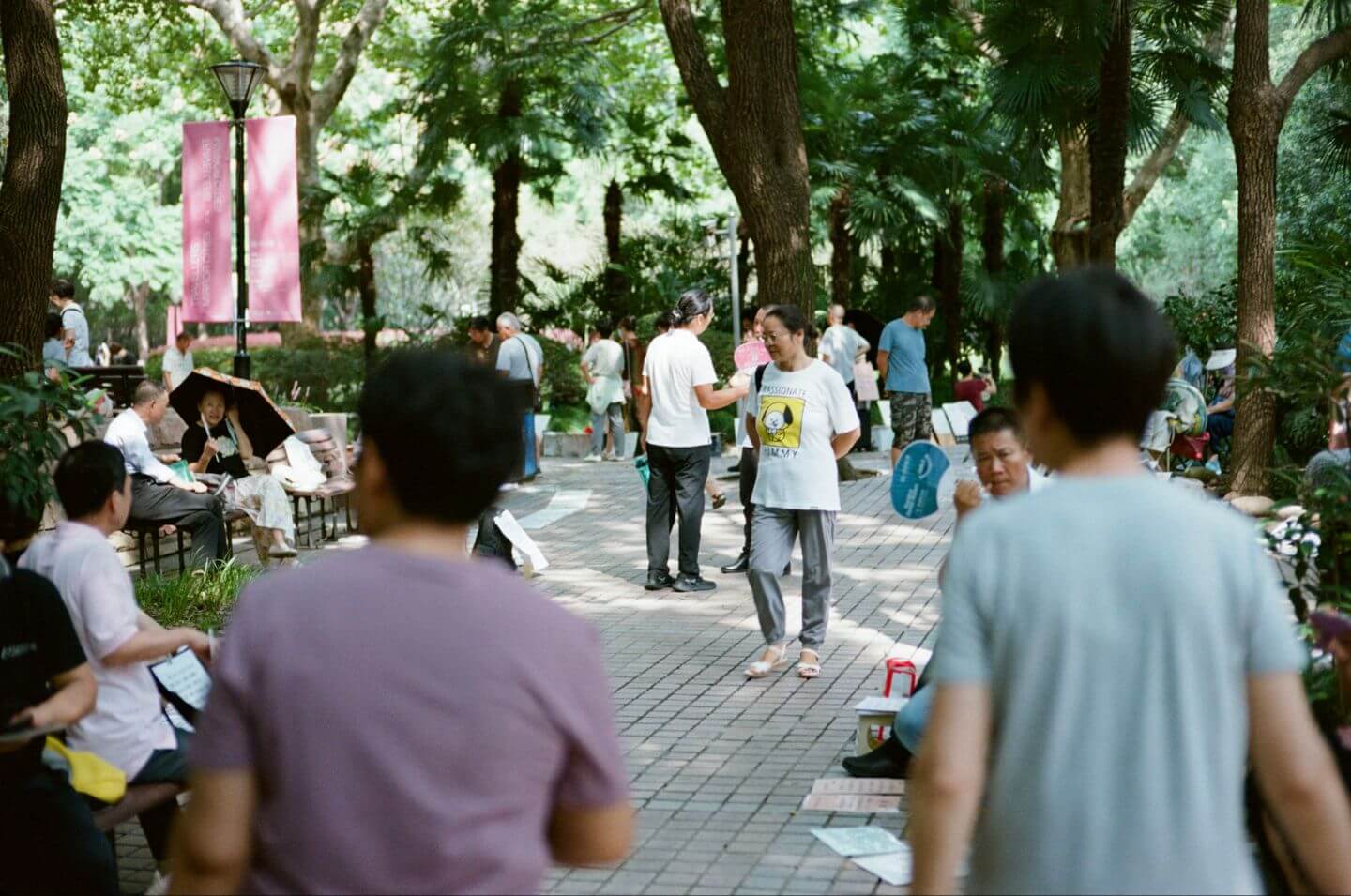
One of the most widely recognized benefits of open space is its impact on physical and mental health. Access to outdoor space encourages physical activity across different age groups, from children using playgrounds to adults walking, jogging, or cycling within their communities.
Participants of research from institutions around the world, including studies conducted through various university programs, has linked green spaces with higher levels of physical activity and improved public health outcomes. Residents who have convenient access to parks and natural surroundings are generally more likely to engage in regular movement as part of daily life.
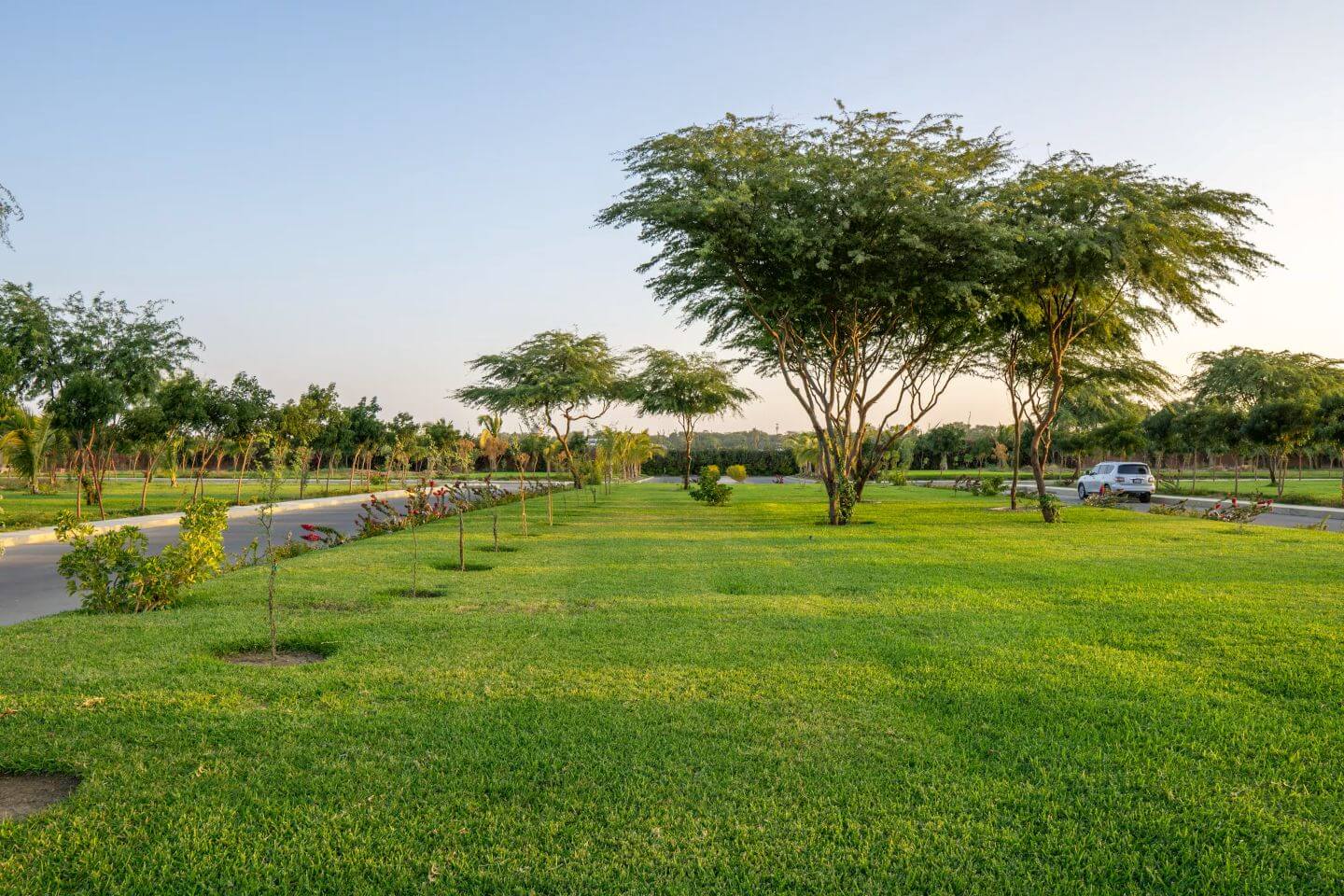
On the larger scale, green spaces serve as natural filters, effectively absorbing carbon dioxide from the atmosphere and playing a crucial role in biodiversity conservation by providing habitats for a wide range of plant and animal species.
Open spaces can protect environmental systems, vulnerable habitats, and agricultural land, promoting the conservation of natural resources and the use of green infrastructure, which provides clean air and water for the community.
The mental health benefits of green spaces are equally significant. Exposure to nature can support relaxation, reduce stress, and help individuals in the management and prevention of concerns associated with busy urban environments. Time spent among trees, plants, and other elements of the natural world has been associated with lower rates of depression and improved well-being.
This relationship becomes especially relevant in cities where daily schedules are often filled with traffic, long work hours, and limited opportunities for outdoor recreation. A nearby park or open area can function as an accessible extension of the home, offering space for rest, exercise, and social interaction.
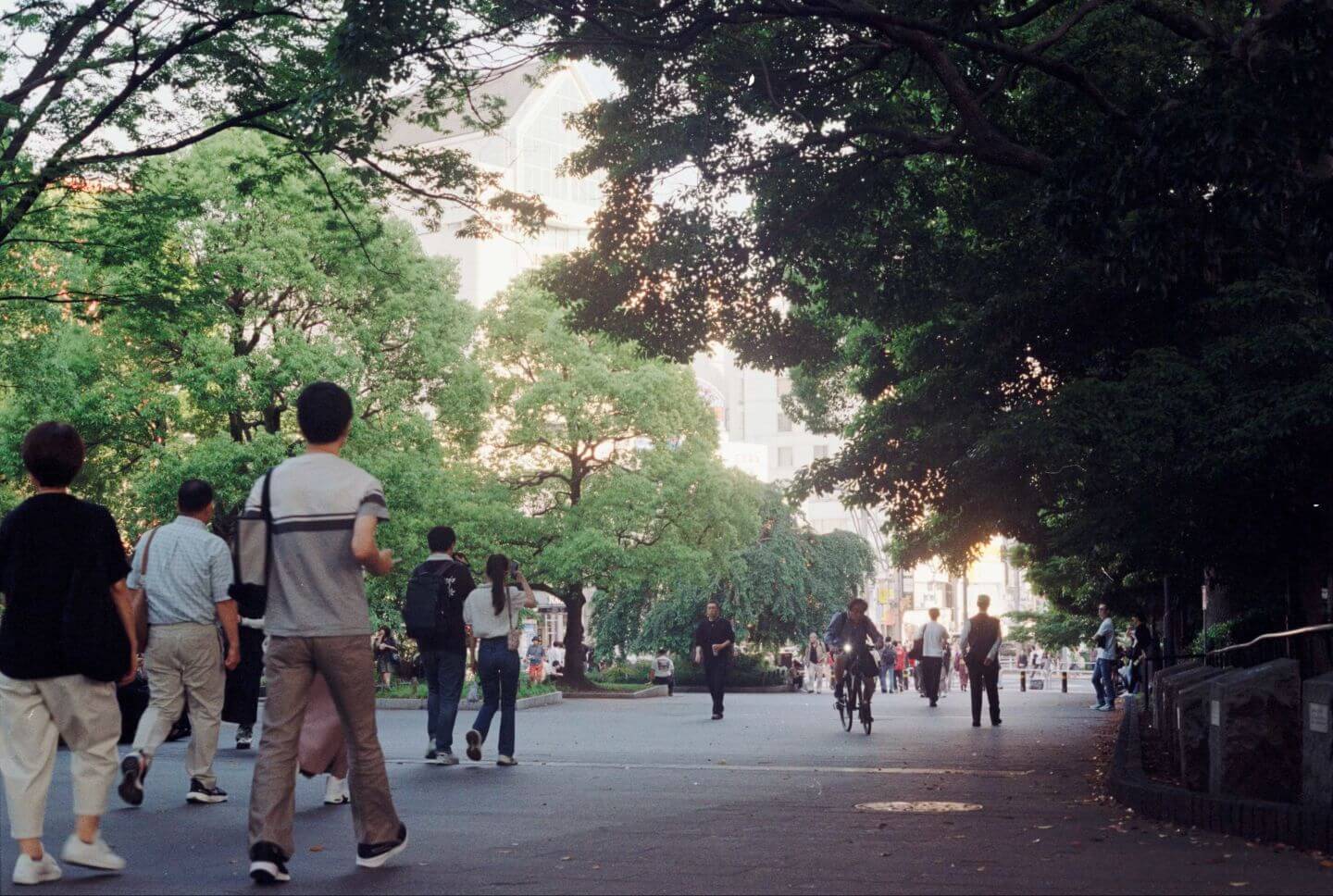
Open space plays an important role in building a strong sense of community. While digital platforms allow people to communicate instantly, physical environments are still a bigger influence in how residents interact with one another.
Public and private spaces provide natural focal points where neighbors can meet, families can gather, and friends can spend time together. Community events, weekend markets, food bazaars, fitness activities, and cultural celebrations often take place in these shared settings.
Children benefit particularly from environments that encourage outdoor play. Parks and recreation areas create opportunities to develop social skills, build friendships, and interact with people from different backgrounds. These experiences contribute to a broader sense of belonging within a neighborhood.
For adults, access to public open spaces can strengthen social networks that might otherwise be difficult to establish. Casual conversations during walks, participation in local events, and regular encounters with neighbors help create familiarity and trust.
Many successful cities demonstrate this principle clearly. Central Park remains a great example of how a large public space can serve millions of residents and visitors while supporting recreation, community activities, and environmental goals. Its continued popularity illustrates the lasting importance of accessible shared spaces within dense urban settings.
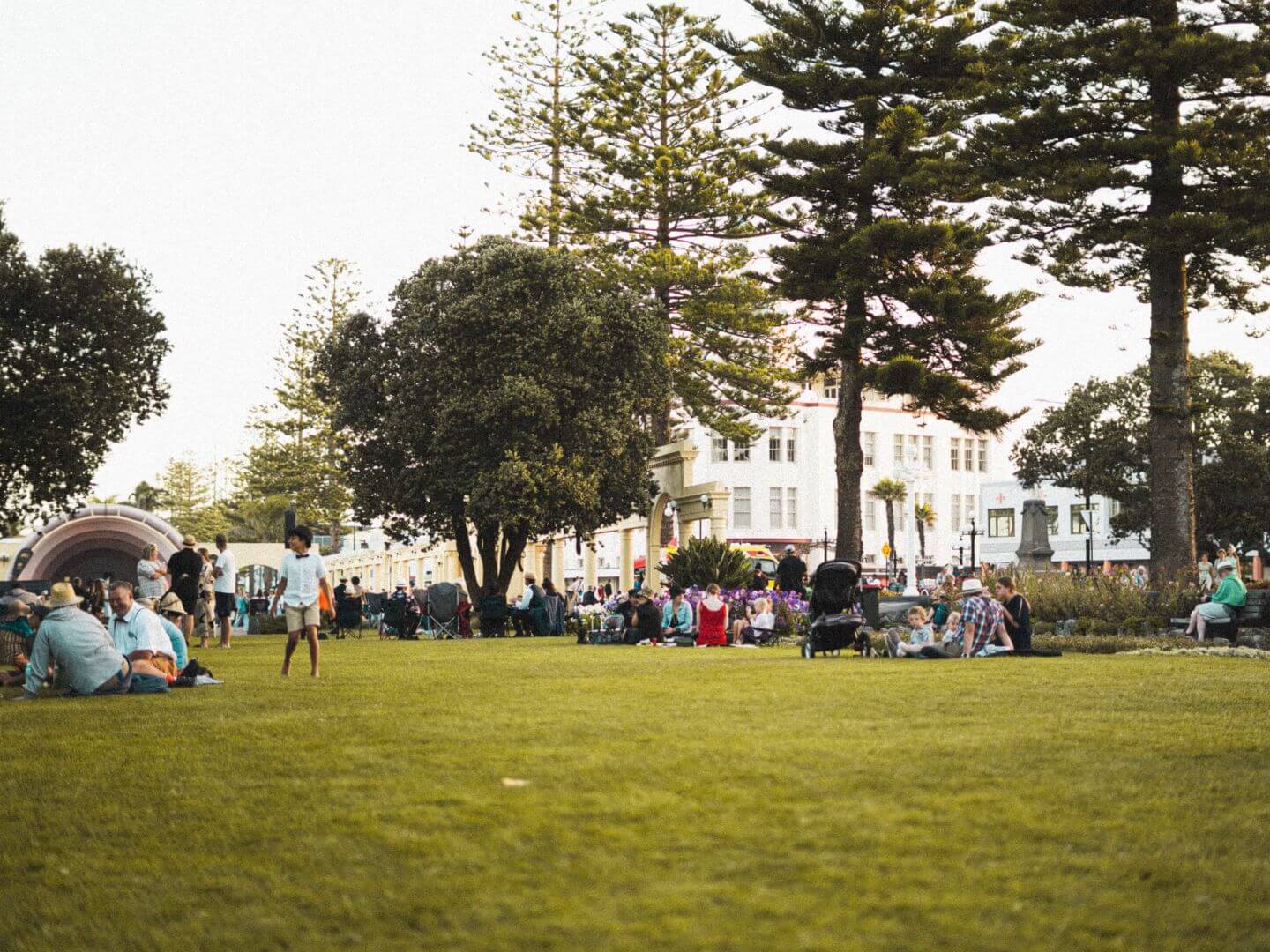
The environmental benefits of green spaces extend beyond aesthetics. As urban areas continue to grow, maintaining natural elements within development plans becomes increasingly vital.
Trees and urban forestry initiatives help improve air quality by filtering pollutants associated with traffic and industrial activity. This can contribute to reducing air pollution while creating healthier environments for residents.
Greenery also helps regulate temperature. Large concentrations of concrete and asphalt often create heat-retaining conditions within cities. Parks, landscaped areas, and tree canopies help moderate these effects by providing shade and cooling the surrounding environment.
Water management is another important advantage. Open spaces can absorb rainfall, reducing pressure on drainage systems and helping mitigate localized flooding. Natural landscapes often perform this function more effectively than fully paved surfaces.
Modern residential developments increasingly incorporate sustainable design features such as green roofs, landscaped corridors, and community gardens. These elements support biodiversity by providing shelter for animals, birds, and beneficial insects while helping preserve connections to nature within urban settings.
The value of open space extends throughout different stages of life. Children, working adults, and older residents each benefit from these environments differently, yet all benefit from their presence.
For young families, parks offer safe locations for play and outdoor learning. Exposure to nature can encourage curiosity about the environment while providing alternatives to screen-based entertainment. Open areas also create opportunities for family activities that strengthen relationships and promote healthy habits.
Working professionals often use public places for exercise, relaxation, or informal social gatherings after work. Access to natural surroundings can support productivity by providing a mental break from demanding schedules and highly structured indoor environments.
Older residents may rely on nearby parks and walking paths as accessible venues for daily movement and social interaction. Maintaining physical activity becomes easier when attractive outdoor spaces are located within walking distance.
The importance of accessibility should not be overlooked. The benefits of public open spaces are most meaningful when residents can reach them easily and safely. Communities that prioritize access through pedestrian-friendly streets, connected pathways, and integrated design often experience stronger participation in outdoor activities.
The definition of successful community planning has expanded considerably over the years. Housing remains essential, but long-term development increasingly considers how people live beyond their homes.
Residential developments that incorporate parks, landscaped areas, and communal gathering spaces often create more balanced living environments. These amenities support everyday activities rather than serving solely as decorative features.
A great variety of open spaces can be integrated into modern communities. Pocket parks, community gardens, walking trails, sports facilities, and multipurpose lawns each serve different needs while contributing to a cohesive neighborhood experience.
The placement of these spaces matters as much as their size. When parks are positioned near homes, schools, and commercial areas, residents are more likely to use them regularly. Protected open spaces can also generate a variety of economic activities, such as agriculture and tourism, which contribute to the local economy. Well-designed public places can also enhance safety by encouraging consistent activity throughout the day.
Looking toward the future, developers face growing expectations to create environments that support both individual needs and collective experiences. Open space has become a vital component of that objective.
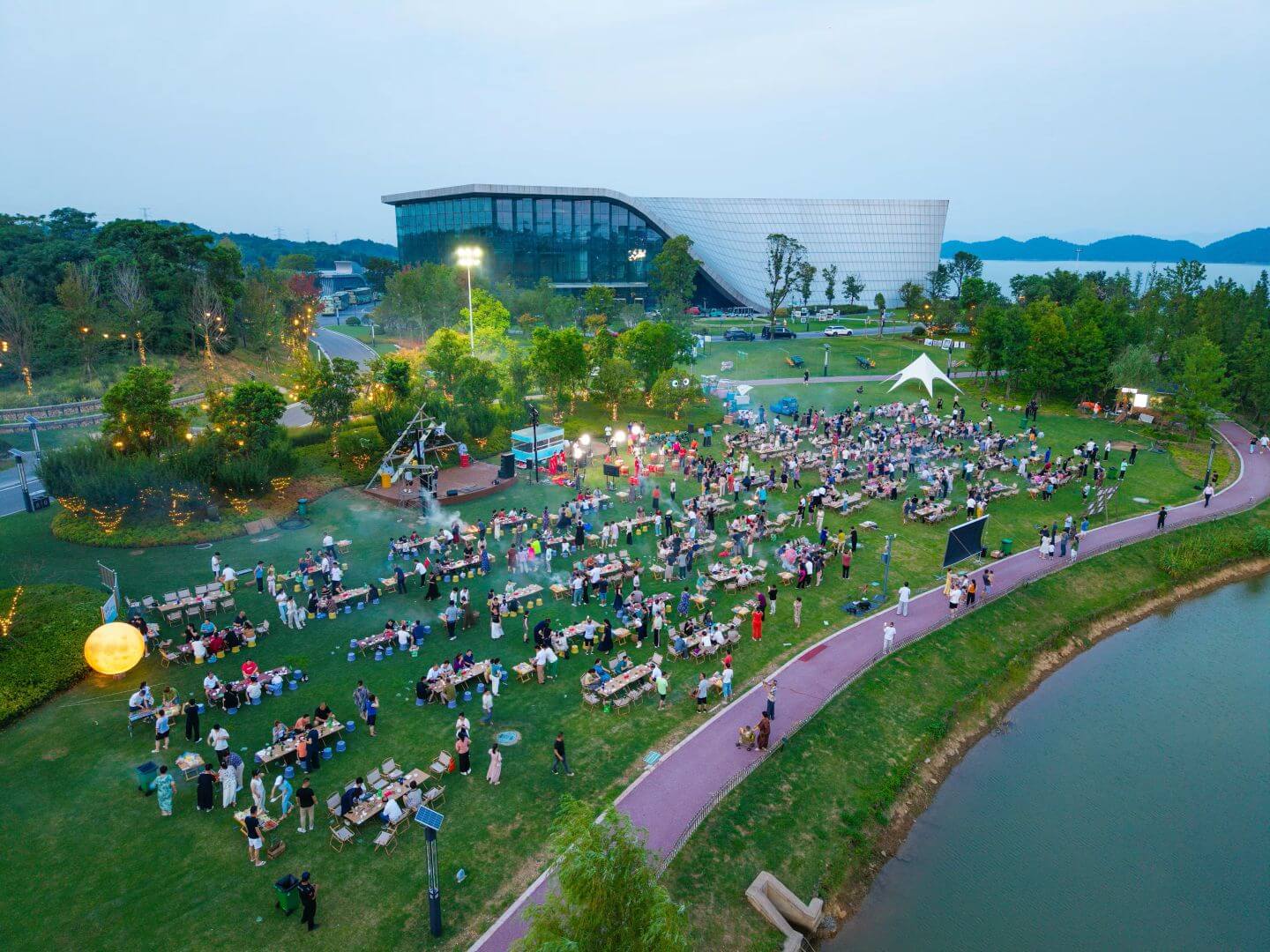
As cities expand and development continues across the world, the importance of preserving green spaces and public open spaces becomes increasingly clear. These environments contribute to physical health, mental health, recreation, environmental protection, and stronger social connections.
The most successful communities understand that parks, trees, natural surroundings, and shared outdoor space are not secondary considerations. They are essential resources that improve daily life, encourage meaningful interaction, and support long-term community health. By creating places where residents can relax, play, interact, and reconnect with nature, communities become better equipped to meet the needs of current and future generations.