
July 25, 2026


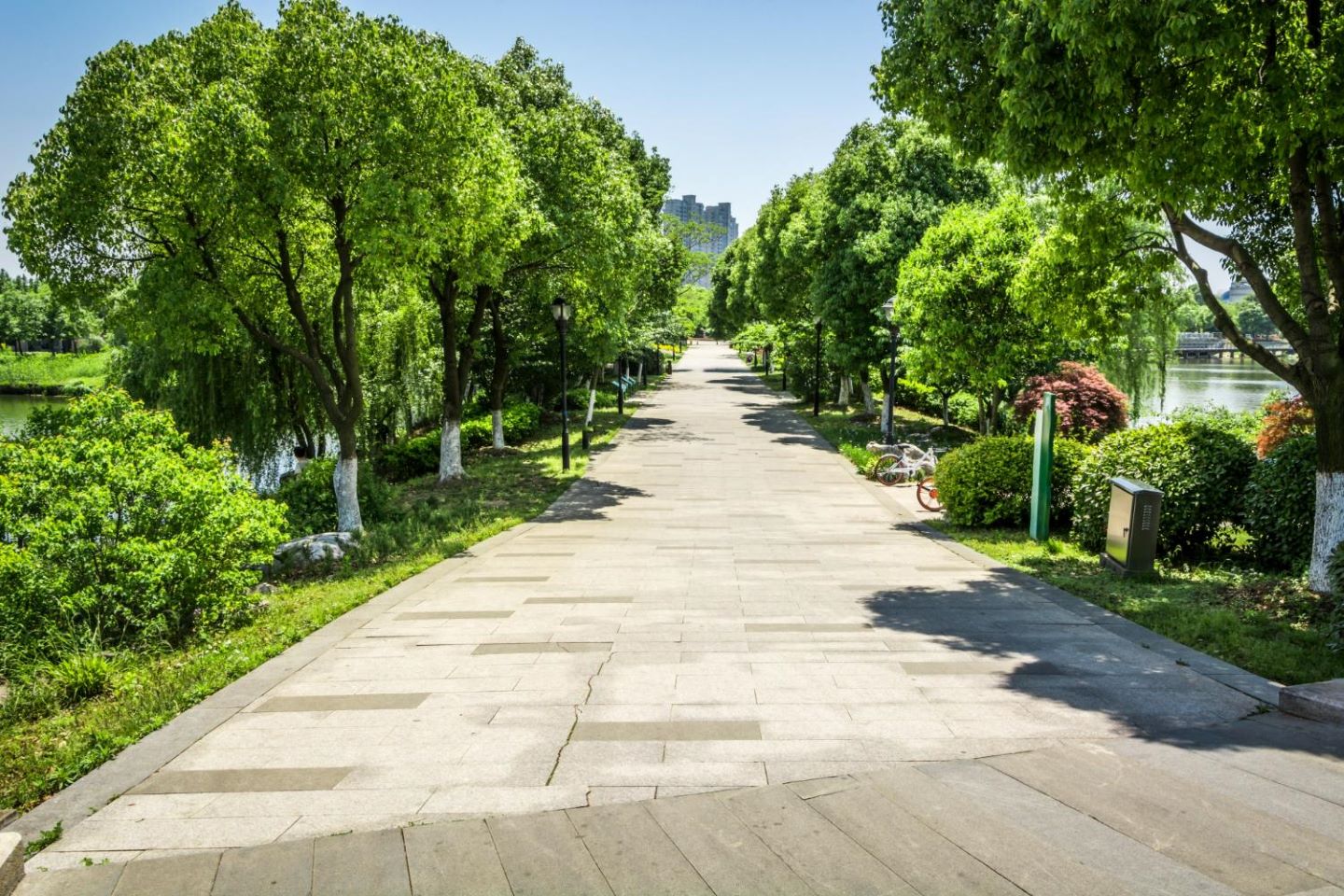
Image source: https://www.magnific.com/free-photo/promenade-beautiful-city-park_1243636.htm
Modern homebuyers are no longer looking only for beautiful houses or properties that ensure financial returns to buy or rent.
Today, many Filipino families also value convenience, accessibility, and a better quality of life. One of the biggest trends shaping real estate around the world is walkability. This refers to the ability to accomplish daily errands and enjoy access to everyday experiences without relying heavily on a car.
The benefits of living in a walkable community go far beyond convenience. From promoting physical activity and improving mental health to reducing car dependency and encouraging stronger relationships among neighbors, walkable developments create a healthier and more connected way of living.
As more Philippine cities, town centers, and municipalities continue to grow, choosing a home in a walkable environment has become an important consideration for families across every age group.
A walkable community is a neighborhood where residents have easy access to the destinations they use every day.
Essential establishments such as grocery stores, restaurants, coffee shops, schools, clinics, parks, places of worship, and recreational facilities are located within a short walk from home.
Unlike traditional developments that depend almost entirely on a car, walkable neighborhoods encourage people to walk instead of driving whenever possible. Biking is also another popular option for those living in walkable cities.
Safe sidewalks, pedestrian-friendly street design, shaded pathways lined with trees, proper lighting, and a thoughtfully planned built environment all contribute to making walking enjoyable.
Many of the world’s leading walkable cities have demonstrated that when communities are designed around people instead of vehicles, everyone benefits. More than just a trend, the rise of walkable cities and communities has become a sort of political stand to demand that people come first.
The many benefits of living in a walkable community affect nearly every aspect of daily life, from personal wellness to financial savings.
One of the greatest benefits of walkability is improved health.
Choosing to move around on foot instead of driving naturally increases physical activity. Whether it’s taking the children to school, visiting nearby groceries, or enjoying a stroll to nearby shopping destinations, every step contributes to an active living lifestyle.
Walking also supports better mental health. Spending time outdoors, biking, breathing fresh air, and enjoying nearby green spaces can reduce stress and improve overall well-being. Families who regularly visit local parks or simply walk downtown for leisure often report a greater sense of relaxation and happiness.
Instead of spending long hours stuck in traffic, residents can enjoy a more balanced lifestyle with more time for themselves and their loved ones.

Another major advantage is reduced car dependency.
Owning and maintaining a car involves fuel, maintenance, insurance, parking fees, and repairs. In a walkable community, families can accomplish many daily errands on foot, helping them save money while reducing environmental impact.
Although public transportation remains important, having destinations within walking distance means residents rarely need to drive for simple everyday tasks.
Less driving also means fewer emissions, contributing to cleaner air and healthier communities.
Walkable communities naturally encourage interaction.
When people walk, they are more likely to greet neighbors, stop for conversations, or interact during community events. These casual encounters help build social capital, creating stronger relationships built on trust and familiarity.
This stronger community spirit creates a greater sense of belonging. Children develop friendships with nearby families, older adults remain socially active, and every person feels more connected to the neighborhood.
A thriving community is built not only through homes but through meaningful human connections.
Walkable areas often feature better pedestrian infrastructure that prioritizes safety.
Wide sidewalks, designated crossings on streets, lower vehicle speeds, and visible pedestrians create safer environments for families.
More people outdoors also contributes to natural surveillance. Active streets discourage certain types of drug crime and other undesirable activities because public spaces remain occupied throughout the day.
Parents also gain peace of mind knowing their children can safely play outdoors or walk blocks and short distances within the neighborhood.

Walkability improves residents’ health and quality of life, but more importantly, it also supports the local economy.
When people choose to walk instead of driving elsewhere, they tend to spend more frequently at nearby business establishments. Local restaurants, neighborhood bakeries, coffee shops, convenience stores, and specialty retailers benefit from increased foot traffic.
This consistent customer base helps with creating jobs while encouraging entrepreneurs to establish new businesses within the community.
In walkable cities, most residents would prefer to do their shopping in places within their immediate block or nearby areas. This means that they won’t have to spend time stuck in traffic in cars just to get to the other side of town for some shopping.
Rather than concentrating economic activity only in downtown districts, walkable developments distribute opportunities throughout residential neighborhoods.
The result is a healthier local economy that benefits both businesses and residents.
One remarkable feature of walkable neighborhoods is their ability to serve every age group.
Young professionals appreciate shorter commute times and convenient access to everyday services.
Parents enjoy nearby schools, playgrounds, and recreational facilities where their children can safely learn and play.
Senior citizens benefit from being able to reach essential destinations without relying entirely on family members or transportation services.
Women, especially those managing household responsibilities, often appreciate having nearby groceries, pharmacies, and childcare services within walking distance.
Because everyone can independently reach important destinations, walkability promote greater accessibility and inclusion.

Image source: https://www.magnific.com/premium-photo/woman-is-walking-city-park-while-carrying-skateboard-her-hands_408362102.htm
The success of a walkable community depends heavily on its built environment.
Good urban planning focuses on creating connected streets, mixed-use developments, accessible amenities, attractive landscaping, and welcoming public spaces.
Rather than separating homes in towns far from everyday destinations by several blocks, thoughtful planning places homes near services people use every day.
Shaded sidewalks, walkable areas, landscaped pathways, benches where residents can sit and rest, bicycle lanes that encourage biking, and abundant trees all make walking more enjoyable.
The overall feeling of safety and sense of comfort encourages residents to spend more time outdoors.
Every point of a walkable neighborhood should be designed with accessibility in mind so everyone can comfortably move from one destination to another without depending on cars.
One reason many people love walkable places is their unique character.
Unlike developments designed solely for cars, walkable communities create memorable streetscapes where residents and pedestrians can appreciate architecture, public art, landscaping, and local businesses.
People discover favorite cafés, enjoy weekend markets, and support neighborhood entrepreneurs.
Instead of simply passing by in a vehicle, they become active participants in community life.
This stronger connection to place often increases pride in the neighborhood while enhancing long-term property value.

As Philippine cities, municipalities, and local governments continue to develop, many planners, developers, and even the mayors of various communities now focus on improving walkability within their own towns.
Creating safer sidewalks, expanding green public spaces, improving accessibility, and encouraging mixed-use developments all help protect both residents and the environment.
Affordable developments that combine affordable housing with nearby commercial establishments demonstrate that walkability is not simply a luxury but an investment in better communities. As more Filipinos prioritize convenience and wellness, demand for walkable neighborhoods will continue to grow across every region of the country.
For Filipino families seeking convenience, accessibility, and a higher quality of life, Camella communities provide an excellent example of true walkability. Things like loud streets, traffic jams, and a lack of pedestrian walkways are becoming things of the past for Camella.
Many Camella developments are strategically located near schools, grocery stores, shopping centers, healthcare facilities, restaurants, business districts, and major transportation routes, giving residents easy access to the essentials of daily life.
Within many communities, thoughtfully planned amenities such as parks, open green spaces, playgrounds, clubhouses, and landscaped streets encourage walking, active living, and meaningful interactions with neighbors.
By combining quality homes, accessible locations, family-friendly amenities, and carefully planned neighborhoods, Camella creates communities where convenience meets comfort. Whether you’re starting a family, raising children, or planning for retirement, Camella offers a place where every step brings you closer to a healthier, more connected, and more fulfilling way of life. Choosing Camella means choosing a community designed not just for today, but for generations to come.