
July 1, 2025


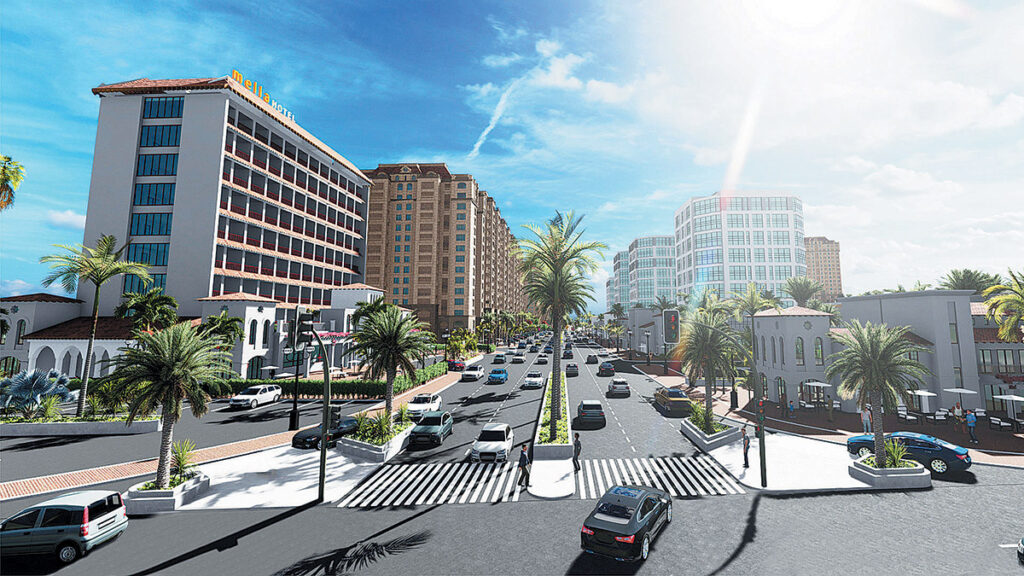
Commercial investment in residential developments refers to the strategic placement of commercial real estate within or adjacent to residential properties, forming what is commonly called mixed-use developments.
These can include everything from office buildings, retail spaces, and coffee shop strips to industrial parks and student housing areas that combine both living and working environments.
In the Philippines, particularly in high-density cities like Metro Manila and emerging urban areas like Pampanga and Davao, this type of development is becoming a preferred strategy.
Vista Estates, for example, has expanded its portfolio by creating mixed-use developments that seamlessly integrate commercial spaces with apartment buildings and apartment complexes, offering residents services directly within walking distance.
As urban areas become more crowded and consumers seek convenience, the commercial real estate market is responding with innovative land-use planning. Mixed-use properties in locations near major highways or central business districts benefit from the synergy of residential and commercial properties existing side by side.
This dynamic not only supports steady income for developers and investors but also enhances the everyday lives of residents.
Examples like Vista Estates’ integrated communities in Bacolod and Taguig illustrate how real estate investments can evolve into sustainable ecosystems.
Here, retail business options such as food courts, retail stores, and outlet centers thrive beside multifamily apartments, increasing foot traffic and naturally supporting rental income.
One of the most appealing advantages of this kind of commercial property investment is the built-in customer base. Residents living in the development represent guaranteed daily foot traffic for retail properties, services directly, and commercial tenants like banks, salons, or convenience stores.
This ensures a higher likelihood of business success for individual tenants and attracts longer-term commercial leases, which creates financial stability for the investor.
Compared to residential real estate, commercial property typically offers higher rental income and more favourable lease terms. Long-term leases with business tenants—often spanning 5 to 10 years—mean less tenant turnover and more predictable cash flow.
These terms are especially attractive in office spaces, industrial spaces, and shopping centers that cater to a specific clientele.
Many commercial real estate investments are structured around a triple net lease, where the tenant is responsible for property taxes, insurance, and maintenance.
For individual investors, this setup can generate substantial passive income while reducing operational burdens. With the right property managers in place, investors enjoy near-hands-off returns.
The value of commercial real estate in prime locations near schools, major highways, and transportation hubs tends to appreciate over time. With the right market research, commercial spaces in mixed-use settings are well-positioned for long-term appreciation, even amid market fluctuations.
Integrating commercial and residential properties involves navigating complex zoning laws, especially in urban areas. Improper space layout can disrupt traffic flow, privacy, or access for both customers and residents. This becomes even more sensitive in smaller developments where functional space is limited.
Commercial real estate investments are generally more sensitive to economic downturns than residential real estate. When consumer spending drops, so does demand for retail spaces and office buildings.
Individual tenants running a retail business may downsize or close shop, leading to vacancy issues that can reduce your steady income.
Unlike residential rentals, managing commercial property often requires more robust systems for property management, lease agreements, and understanding lease terms.
Issues around taxable income, real estate taxes, and compliance with commercial safety standards can make operations more complex for individual investors without experience or legal support.
Before committing to any commercial property investment, conducting thorough market research is crucial. Analyse the local market demand for retail stores, office spaces, or food courts, and examine competitor developments in various locations.
Tools such as population density maps, transportation studies, and spending habits can reveal whether your investment fits the community’s needs.
Your choice between strip malls, shopping malls, industrial parks, or apartment complexes should depend on your specific financial goals.
While shopping centers provide exposure to high-volume foot traffic, industrial spaces can offer lower maintenance costs but require specialised knowledge.
Every investment should be made with a clear exit strategy in mind. Whether you plan to sell the commercial spaces after capital growth or rely on rental income, stay updated on market fluctuations that can influence your decision.
Consider future developments like amusement parks, infrastructure expansion, or competing malls that may affect your property’s square foot value.
Within the Vista Land umbrella, Vista Estates has emerged as a leader in redefining modern urban planning.
By designing mixed-use developments that combine student housing, apartment buildings, and retail business opportunities like cafés and boutiques, they support both lifestyle convenience and viable commercial real estate strategies.
Developments like Vista Estates’ Sandera in Davao feature commercial tenants such as restaurants, boutiques, and even wellness hubs directly within residential enclaves.
These offerings align with the Philippine market’s desire for integrated living and working environments.
Skilled property managers play a vital role in maintaining a balance between commercial tenants and residents. From handling lease agreements and collecting rent to resolving disputes and overseeing maintenance, their role ensures the long-term viability of commercial real estate within residential areas.
Choosing an experienced team, especially one familiar with zoning laws, property values, and Philippine business regulations, can determine whether your real estate investments flourish or falter.
While shopping malls and outlet centers are traditional anchors of commercial real estate, today’s consumers are also drawn to lifestyle-based options like coffee shop strips, wellness studios, and coworking spaces. These alternatives often occupy fewer square feet and generate more stable revenue due to their community-first model.
Smaller units also attract individual tenants who prefer short-term, lower-risk setups, which can lead to dynamic leasing cycles if properly managed.
Student housing presents another valuable segment for combining residential and commercial properties. Establishments such as bookstores, cafés, and laundry shops placed on the ground floor of dormitories or boarding houses cater to a niche audience while contributing to stable occupancy for both units.
The Philippine university belt is a prime example where this structure succeeds. A commercial investment in residential developments in these zones can offer strong returns year-round.
Whether your objective is to earn passive income, achieve long-term appreciation, or diversify from purely residential real estate, integrating commercial property into your portfolio provides compelling advantages.
But success demands a deep understanding of the commercial real estate market, solid market research, and a commitment to effective property management.
By embracing the concept of mixed-use developments, you not only invest in square footage but in the lives, routines, and ecosystems of a local community.