Every commercial property decision begins and ends with location. In the Philippines, where urban growth is uneven, and infrastructure projects can reshape a district within a few years, location dictates demand, rental rates, tenant profile, and long-term value. A poor choice can drain cash flow and create legal issues that are costly to unwind. A disciplined approach protects both capital and reputation.
This is where a structured commercial property location checklist can benefit any buyer. It forces careful consideration of zoning laws, building codes, regulatory compliance, property condition, tenant dynamics, and financial stability before committing to a lease or acquisition. Whether evaluating a new property or repositioning an existing building, it is of utmost importance to assess risks across operational, structural, legal, and financial dimensions.
Understanding Demand, Rental Rates, and Intended Use
Before inspecting walls and wiring, validate the market. Location without demand is speculation.
Market Research
Begin with rigorous market research. One piece of advice is to study current rental rates in the immediate area and compare them with adjacent districts. In Metro Manila, Cebu, and Davao, rates vary sharply depending on access to transport, office density, and proximity to residential communities.
Demand
Assess demand for office space or commercial space by examining occupancy levels in nearby commercial buildings. If vacancy is rising, determine why. Is supply outpacing absorption? Are businesses relocating due to traffic or flood risk?
Intended Use of Property
Clarify the intended use of the property. A ground-floor retail unit requires foot traffic and visibility. An office requires accessibility for employees and clients. A warehouse demands logistics access and loading capacity. Misalignment between intended use and location erodes rent potential and weakens financial stability.
Engage brokers, review public data from local government units, and interview neighboring business owners. Identify key factors driving the area’s growth or decline. Infrastructure projects, transport hubs, and residential developments influence long-term demand.
Verifying Planning Permission and Legal Compliance
A strong market means little if the property cannot legally support your operations.
Review zoning laws under the city or municipality’s comprehensive land use plan. Confirm that your business activity is permitted in the area. Some districts restrict certain trades, operating hours, or building modifications.
Secure planning permission if structural changes or fit-outs are required. Failure to obtain approvals may result in fines, work stoppage, or forced demolition.
Study local regulations governing signage, waste disposal, fire safety, and occupancy limits. Non-compliance can delay opening and damage relationships with regulators.
Consult legal counsel if the property has prior violations. Address unresolved compliance issues before signing a lease or completing a purchase. This step is critical to avoid inheriting legal issues that undermine the investment.
Conduct Inspections
Legal clearance must be followed by a technical evaluation. A comprehensive commercial property inspection checklist protects investors from hidden liabilities.
Structural Elements and Load-Bearing Walls
Inspect structural elements thoroughly. Engage licensed engineers to examine columns, beams, slabs, and load-bearing walls. Unauthorized modifications can weaken the building and violate building codes.
Check for visible cracks, uneven flooring, or signs of settlement. In older properties, verify retrofitting compliance with updated safety standards.
If purchasing a new property, confirm that construction adhered to approved plans and engineering specifications.
Electrical Equipment, Fire Safety, and Hazardous Materials
Review the capacity and condition of electrical equipment. Ensure the system can house intended operations, especially for data-heavy offices or food establishments.
Verify fire safety systems. Confirm that fire exits are accessible, clearly marked, and compliant with national safety standards. Inspect alarms, sprinklers, and emergency lighting.
Check for hazardous materials such as asbestos or improperly stored chemicals. Identifying risks early prevents costly remediation later.
Property Condition and Maintenance Needs
Even a structurally sound building can become a liability if maintenance is neglected.
Maintenance Schedules and Routine Inspections
Request documentation of maintenance schedules and records of routine inspections. Consistent regular inspections reduce recurring issues and extend asset life. Assess whether prior owners or property managers conducted ongoing maintenance or deferred repairs to cut costs.
Ongoing Maintenance and Maintenance Teams
Determine the quality and availability of maintenance teams. Are technicians on-site or outsourced? How quickly are repairs addressed? Delayed maintenance increases operational risk and disrupts tenant operations. Review service contracts and ensure there is a structured system to maintain building systems over time.
Commercial Buildings, Building Codes, and Regulatory Compliance
Physical inspection must align with regulatory standards.
Verifying Building Codes and Safety Standards
Confirm compliance with national and local building codes. Review occupancy permits and certificates of completion.
Cross-check approvals against actual conditions. Unauthorized mezzanines or altered layouts may violate compliance requirements.
Assess whether the building meets updated safety standards introduced after major incidents in Philippine commercial settings.
Reviewing Safety Features and Security Measures
Evaluate installed safety features such as fire exits, alarm systems, CCTV coverage, and access control. Security influences tenant satisfaction and affects a tenant’s decision to renew. Determine whether the premises provide a safe environment for employees and clients. In high-density districts, visible security presence can be a competitive advantage.
Access, Parking, and Operational Space
Functionality determines daily performance.
Accessibility for Clients and Employees
Evaluate access to major roads, public transport, and nearby amenities. Heavy congestion can reduce employee productivity and discourage clients. Consider pedestrian flow and visibility for retail operations. For offices, examine proximity to residential hubs to ease commuting.
If the building is near mixed-use developments such as Kinsan Heights by Vista Residences, analyze how residential density supports office demand and daily foot traffic. Residential proximity can strengthen demand for neighborhood commercial space and improve rent resilience.
Parking Allocation and Functional Space Planning
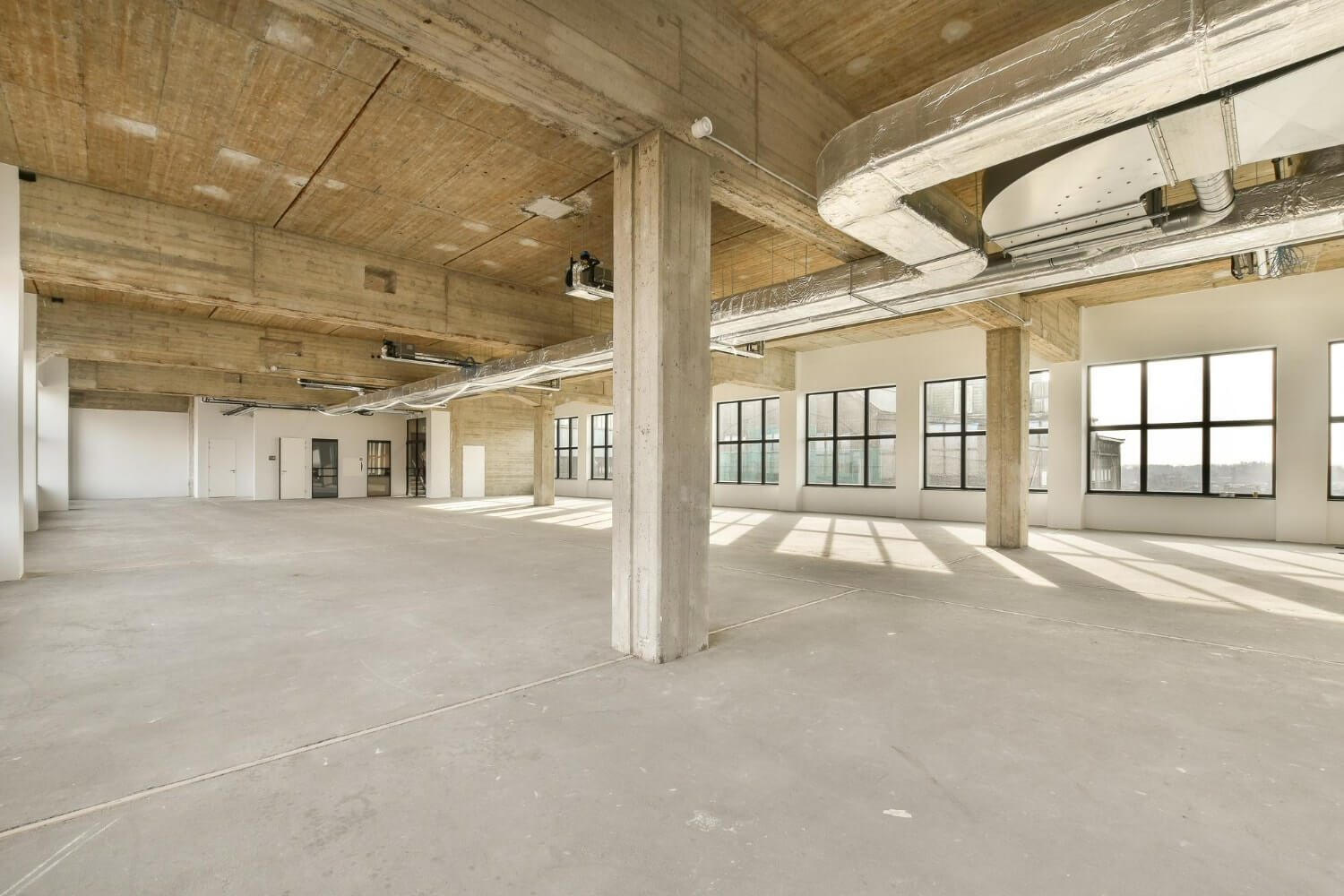
Review parking ratios and availability. Insufficient parking limits tenant appeal, particularly for medical clinics, banks, or training centers. Assess whether the space layout supports operational needs. Ceiling height, column placement, and utility access affect how efficiently the tenant can use the office or retail area.
Location and condition must translate into numbers that work.
Projected Cash Flow and Rental Income
Estimate how much you’ll be paying rental income based on realistic rent assumptions, not optimistic projections. Factor in vacancy risk and tenant turnover.
Analyze whether projected cash flow supports loan servicing and operational costs. Conservative modeling protects against market downturns.
Examine tenant mix. Diverse industries reduce income volatility and strengthen financial stability.
Budget Alignment and Ongoing Costs
Align acquisition or lease costs with your budget. Include property management fees, maintenance expenses, insurance, utilities, and compliance costs.
Account for future capital expenditures. Roof replacements, elevator upgrades, or facade repairs can materially affect returns.
Avoid overpaying for perceived prestige if demand fundamentals are weak. The goal is sustainable income, not headline value.
Lease Structure and Tenant Satisfaction
Income depends on stable tenants and enforceable contracts.
If entering a new lease as a tenant, negotiate clarity on maintenance obligations and shared costs. If acquiring tenanted property, examine existing agreements for unfavorable provisions.
Evaluate the risk profile of anchor tenants. Their departure may reduce foot traffic and depress rent for remaining units.
Tenant Retention and Satisfaction Indicators
Interview property managers regarding tenant satisfaction levels. High turnover often signals deeper management or location problems.
Review complaint logs and dispute records. Recurring issues involving noise, utilities, or security can erode occupancy rates.
A stable tenant base supports predictable cash flow and enhances property value.
Property Management and Operational Oversight
Management quality determines whether a well-located asset performs or underperforms.
Property Management Systems and Reporting
Assess the structure of property management. Are there formal reporting tools and compliance monitoring systems?
Request financial statements, maintenance reports, and tenant communication records. Transparent reporting reduces operational surprises.
Strong property managers conduct regular inspections, track expenses, and coordinate maintenance teams efficiently.
Communication Between Owners and Tenants
Examine communication protocols. Delayed responses to issues undermine trust. Clear escalation processes between owners, managers, and tenants strengthen relationships and reduce disputes. Effective oversight helps maintain regulatory compliance and protects reputation.
Long-Term Area Growth and Positioning
Investments succeed when aligned with future growth.
Long-Term Development Plans and Market Expansion
Review local government planning documents and infrastructure projects. New transport links or commercial hubs can shift demand.
Assess nearby developments. Additional commercial buildings may increase competition but also signal confidence in the location.
Understand demographic trends. Population growth and income shifts influence future rent levels.
Strategic Market Positioning
Determine whether the property holds a competitive advantage in design, access, or amenities.
Consider specific circumstances such as flood risk, road widening plans, or zoning revisions. These factors affect long-term viability.
Investors who evaluate growth trajectories rather than current conditions alone make stronger decisions.
Conclusion
A disciplined commercial property location checklist is a risk management framework that forces investors to examine market demand, zoning laws, building codes, property condition, financial stability, and management quality before committing capital.
Every commercial property decision carries exposure to compliance risks, maintenance obligations, tenant turnover, and market shifts. In Philippine commercial real estate, where urban districts evolve quickly and regulations continue to tighten, careful evaluation is not optional. It is the foundation of sustainable investment performance.