
November 25, 2026


Among the emerging tourism destinations Philippines officials are now promoting, the ones built for long-term growth share three traits: protected natural resources, local communities with a stake in visitor income, and access that does not hinge on one flight or ferry. Arrivals are up, but unevenly, which makes durability a more useful test than popularity. This article looks at which provinces and islands meet that standard, from Siquijor and Camiguin to Danjugan Island and Lake Sebu, and what travelers should weigh before booking a trip to a place that is still finding its footing.
Philippine tourism opened 2026 with its best start in five years. Alfred Lay of Leechiu Property Consultants reports that foreign arrivals reached 2.74 million from January to May, up 8 percent from 2.54 million in the same period last year, while noting that momentum is cooling. Department of Tourism figures reported later show 4.11 million foreign arrivals from January to August, a 3.7 percent rise, against a seven-million target for the year. The country recorded 7.1 million foreign tourists in 2018, and the 8.2 million of 2019 remains out of reach.
Domestic demand is carrying much of the load, with more than 100 million domestic trips last year. That helps explain why the Philippines is positioning itself as a fast-improving travel market built on regional, nature-based, and community-oriented destinations. The raw material is there: the country ranks among the world’s 17 mega-biodiverse countries, and the same islands that draw divers also hold rainforest, volcanic lakes, and old colonial towns.
The competitive picture across Southeast Asia explains the urgency. Neighbors with larger visitor numbers have already learned that a single prime destination can become congested and expensive to maintain, and government planners are now spreading demand across more provinces. For travelers, the practical effect is more choice: a rich cultural heritage and a long list of coasts, volcanoes, and highland towns that were outside most itineraries a decade ago.
The Department of Tourism encourages travel beyond established destinations like Boracay and Palawan. Its domestic promotions have pointed to Siquijor, Camarines Norte, La Union, Samar, Leyte, Ilocos Sur, and Oriental Mindoro as emerging domestic destinations. Aurora and Catanduanes are gaining attention for surfing and natural scenery, and Catanduanes adds a rugged, dramatic coastline that suits road trips more than resort stays.
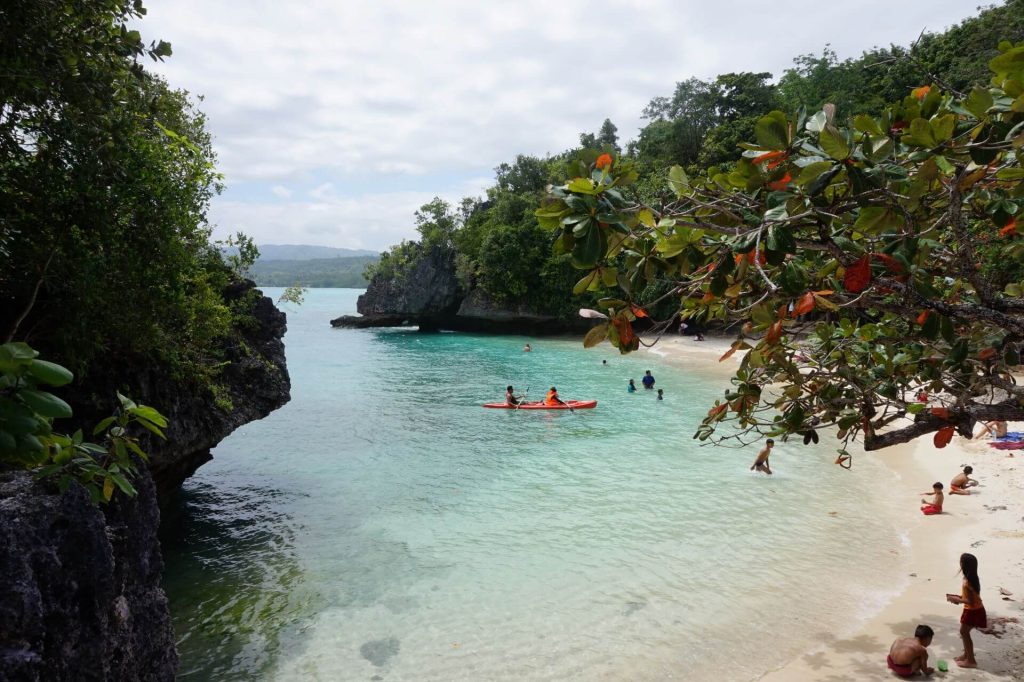
Siquijor has the firmest numbers behind it. Agoda named it the fastest-growing destination for international travelers in the Philippines in 2024, and overnight stays that year reached 241,529, above the pre-pandemic total of 168,366. Mount Bandilaan, the island’s highest peak, is a forested mountain with hiking trails that highlight native flora and butterflies, while the southern coast offers snorkeling and diving. Direct flights from Cebu began in 2025, shortening a journey that once depended on ferry schedules.
Others are earlier in the curve. Romblon, a less crowded alternative to Palawan, and Camiguin, the “Island Born of Fire,” are emerging, uncrowded island destinations with pristine beaches and a pace that makes them an ideal destination for travelers who would rather discover a place than check it off a list. Port Barton keeps a low-key beach community vibe. The Dinagat Islands are known for clear lagoons and untouched landscapes, and Balabac is a remote archipelago with more than 30 pristine islands. Batanes, the northernmost province, is a remote archipelago with stunning natural beauty, and Palaui Island is known for its breathtaking scenery and lighthouse. Island hopping by boat is the main way into most of them, so tourism activities tend to be small-group and weather-dependent, which limits volume but protects the product.
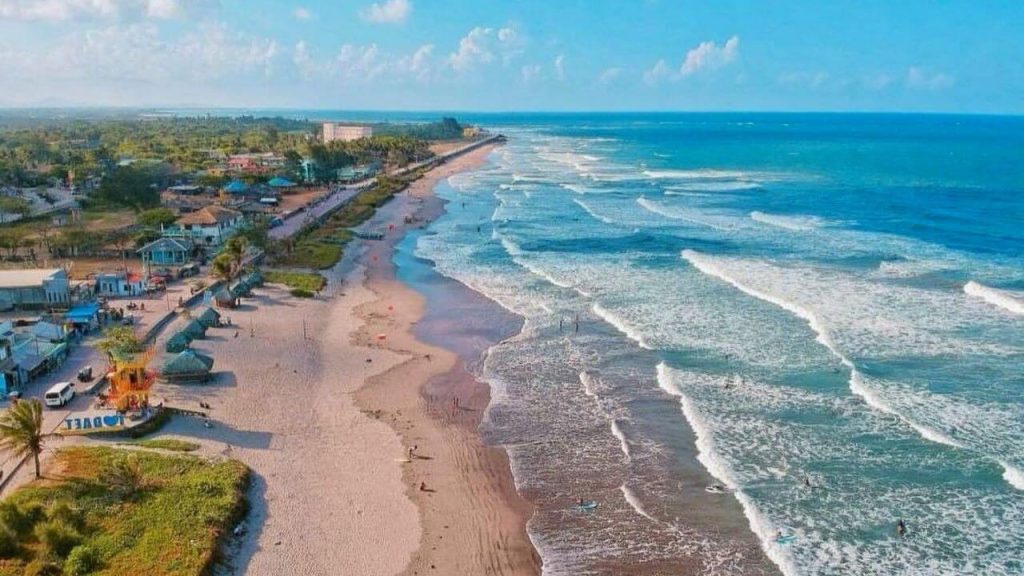
Danjugan Island, located off Cauayan in Negros Occidental, shows what a managed model looks like. The Philippine Reef and Rainforest Conservation Foundation took over the island in 1994, and it is now a marine reserve and sanctuary run for sustainable tourism. It supports at least 72 bird species, and the surrounding Philippine reef holds 244 species of hard corals. Local law backs the arrangement: Cauayan Municipal Ordinance 99-52 of 2000 created the reserve and its no-take zones. Visitors snorkel, watch wildlife, and pay conservation fees, so legal protection and visitor income work as one system for the island’s flora and fauna. Locals serve as reef rangers and island staff and handle visitor orientation, which keeps day-to-day stewardship in local hands.
Mindanao offers a different kind of case. In South Cotabato, Lake Holon is a sacred crater lake on Mount Parker, and the T’boli communities around it guide most treks. Lake Sebu, also in South Cotabato, adds lakeside stays and T’boli weaving. Along the coast of the same region, Gumasa Beach in Glan, Sarangani, is among the white sand beaches within reach of General Santos, and the Department of Tourism has launched its “Bisita, Be My Guest” campaign across the Soccsksargen region. Finally, Zamboanga City pairs Chavacano-speaking heritage with island day trips to pink-sand shores.
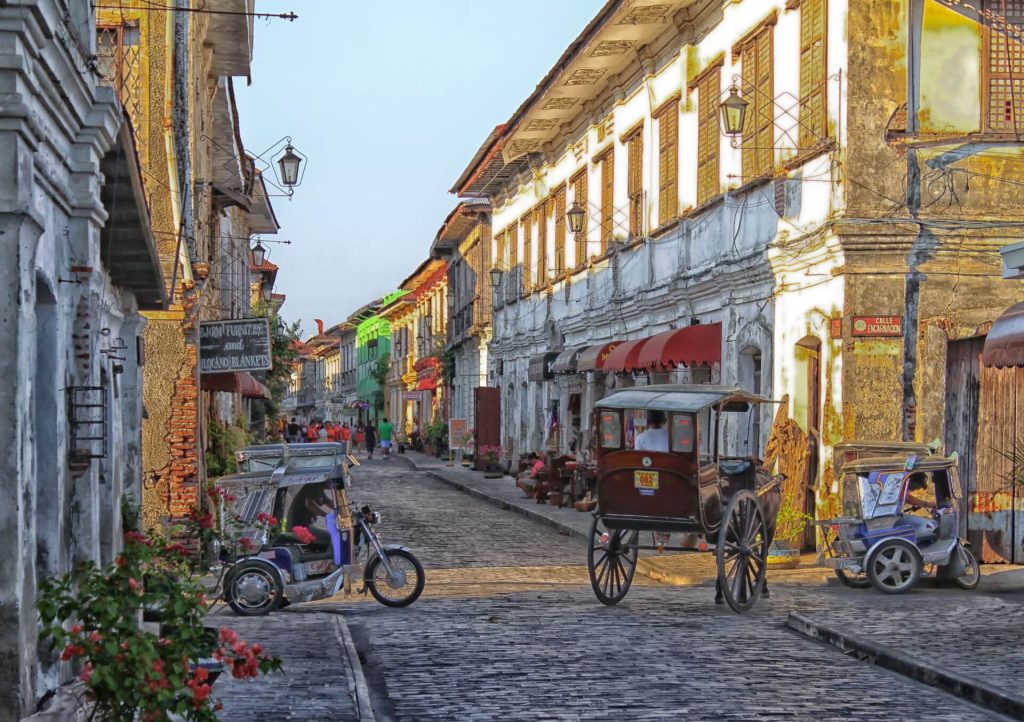
Not every durable destination depends on a coastline. Iloilo City is recognized for its heritage architecture and gastronomy, and the heritage towns of Ilocos Sur in the north, with Vigan’s museums and cobbled streets, draw visitors in every season. These places have history to sell that does not erode with weather or reef health, and their culture is a living one: weaving, cuisine, and church architecture that residents still use daily.
Festivals and other annual events add dated, repeatable demand, and the festivities themselves become the product. The Sinulog Festival fills Cebu City every January. The Panagbenga Festival turns Baguio into a month-long flower festival in February, and the Moriones Festival takes over Marinduque during Lent. The Kadayawan Festival showcases Davao City’s cultural heritage every August, and the MassKara Festival follows in Bacolod City each October. Because the calendar is fixed, local businesses can plan staffing and lodging ahead, though host towns still need enough rooms to absorb the crowds.
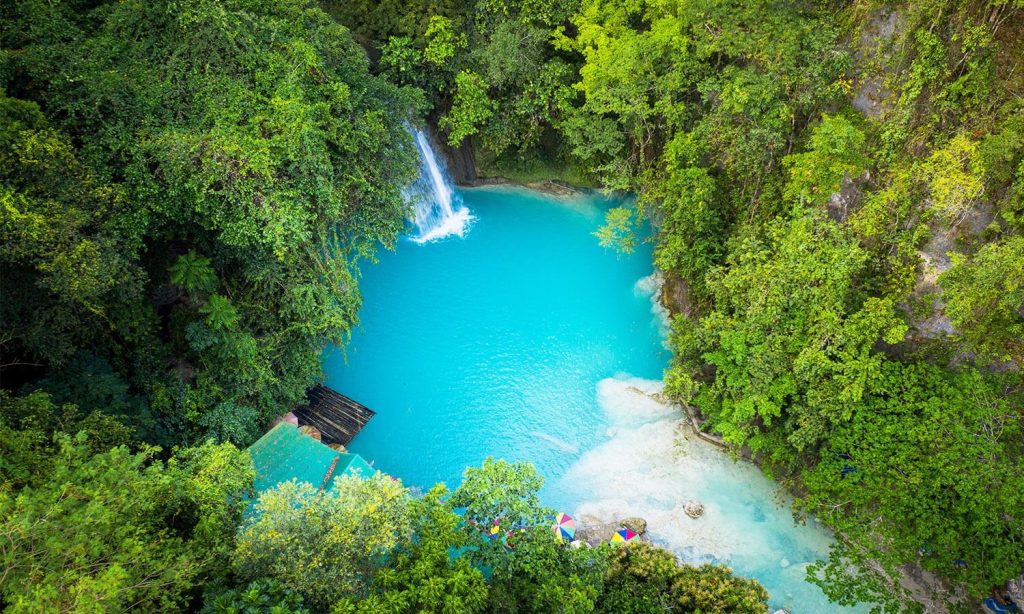
Cebu also shows how a famous site can spread demand. Kawasan Falls draws the crowds, yet surrounding towns such as Alegria offer lesser-known adrenaline routes, which pulls visitors away from a single, congested stop. This is the same logic the Department of Tourism’s Green Corridor Initiative, launched in Calabarzon in 2021, applies by bundling nearby towns into eco-tourism circuits. Government programs of this kind shape where visitors go next, and the initiatives that last tend to be the ones local tourism offices help design rather than receive.
Policy has made these trips easier. Nationals of 157 countries can enter visa-free, with stays running from 14 to 59 days depending on nationality, and pandemic-era testing requirements such as RT-PCR for fully vaccinated travelers have been dropped. A Digital Nomad Visa was signed in April 2025, although applicants should confirm current availability with the Bureau of Immigration before planning around it.
Access remains the weak point for the more remote places. Ferries, small airports, and thin accommodation supply mean that a first visit off the beaten path calls for flexible dates, current advisories from the DOT website, and attention to local security measures, particularly in parts of Mindanao. Responsible travelers also check conservation fees, guide requirements, and carrying limits at sites like Lake Holon and Danjugan before arriving.
Four tests separate durable destinations from passing ones. The first is protection that holds up legally, as with Danjugan’s ordinance. The second is community ownership, visible in the T’boli guides at Lake Holon. The third is access that improves in step with demand, as Siquijor’s airport has begun to do. The fourth is a reason to visit in more than one season, which festivals, food, and heritage supply better than beaches alone.
By these measures, Siquijor, Camiguin, Danjugan, Lake Sebu, and the heritage towns of Ilocos Susr look better placed than places that only photograph well. A destination sold as paradise needs trained local guides, fee systems, and limits on daily visitors to remain one. The growth in domestic travel among Filipino people suggests that visitors increasingly reward places that reflect that care, and the local economy follows.