
February 3, 2026



For professionals navigating and understanding how to choose commercial space for business success has become one of the most consequential decisions modern enterprises face. It is no longer just a backdrop for operations; it is a strategic component that can significantly impact customer reach, employee efficiency, and the overall trajectory of a company. Whether a business is entering its first lease or expanding into multiple locations, choosing the right commercial property requires thoughtful alignment between space, strategy, and long-term sustainability.
At its core, commercial real estate influences how a business operates, how it is perceived, and how it grows. The right commercial space enables day-to-day operations to run smoothly while supporting business goals beyond the present moment.
A commercial space serves as the physical expression of a business model. For retail businesses, it is one of the key factors that determine visibility, foot traffic, and proximity to customers. For professional firms, it shapes productivity, collaboration, and client experience through well-planned offices, reception areas, and conference rooms. Across industries, the right space directly affects business operations and can either support or hinder long-term success.
As businesses evolve, commercial property decisions must extend beyond current operations. An ideal commercial space supports growth, accommodates employees, and adapts to changing market conditions. When chosen strategically, commercial real estate becomes an enabler of business growth rather than a limiting cost.

Every business type has distinct requirements, and understanding these needs is fundamental when choosing a commercial space. Some of the key considerations for retail stores depend on strong retail locations with good visibility and consistent foot traffic, while service-oriented businesses prioritize accessibility, private offices, and efficient layouts. Small businesses, in particular, must balance immediate operational needs with future growth, ensuring the space does not restrict expansion too early.
Selecting the right commercial property means considering how space will be used on a daily basis. Storage space, extra space for staff, and areas for client interaction all play roles in how effectively a business functions. A space that aligns with business needs enhances productivity, supports employees, and reinforces brand credibility.
In commercial real estate, one of the factors to consider is location because it shapes access, demand, and perception. The right location places a business where its target market already exists, increasing the likelihood of attracting more customers. A prime location near residential areas, business districts, or lifestyle hubs strengthens visibility and relevance, especially for retail spaces.
Accessibility is equally critical. Commercial properties that are easily accessible through public transport and major roads reduce friction for customers, clients, and employees. Ample parking and proximity to transit networks improve convenience, while good visibility enhances brand recognition. Together, these factors significantly impact how a business performs within its chosen environment.

A commercial space must reflect an understanding of the target market. Retail businesses benefit from locations with high foot traffic and consistent pedestrian activity, while professional services thrive in areas close to clients and complementary businesses. The surrounding area influences customer behavior, shaping how often people visit and how long they stay.
Proximity to other businesses can be advantageous, creating shared demand and reinforcing commercial activity. Being situated near offices, residential developments, or institutional anchors increases exposure and strengthens long-term viability. The right commercial space does not operate in isolation; it benefits from the ecosystem that surrounds it.
The internal layout of a commercial space has a direct impact on efficiency and workflow. Offices with private work areas, functional conference rooms, and welcoming reception areas support productivity and professionalism. Retail spaces designed for customer flow and visibility encourage engagement and sales.
Day-to-day operations depend on how well a space accommodates employees, clients, and operational processes. Extra space allows businesses to adapt to growth, integrate new functions, or improve customer experience without disruption. Choosing a commercial space that supports both current operations and future needs ensures stability and security.

Beyond physical considerations, lease terms play a crucial role in commercial property decisions. Favorable terms provide flexibility, manage cost, and protect the business during periods of change. Understanding lease structures, renewal options, and long-term commitments allows businesses to plan confidently and avoid unnecessary constraints.
Budget considerations must balance affordability with strategic value. A lower-cost space in the wrong location may hinder growth, while a well-positioned property with favorable lease terms can deliver stronger returns over time. Working with a commercial real estate broker can help businesses navigate the decision-making process, manage planning constraints, and secure terms that support long-term success.
Accessibility influences how easily customers and clients engage with a business. A commercial space that is easily accessible encourages repeat visits and supports consistent foot traffic. Visibility along major roads or within active commercial zones enhances brand exposure and builds familiarity.
Retail spaces in great locations benefit from natural customer flow, while offices in accessible areas improve attendance and collaboration. These factors collectively contribute to a positive customer and employee experience, reinforcing the business presence within its market.
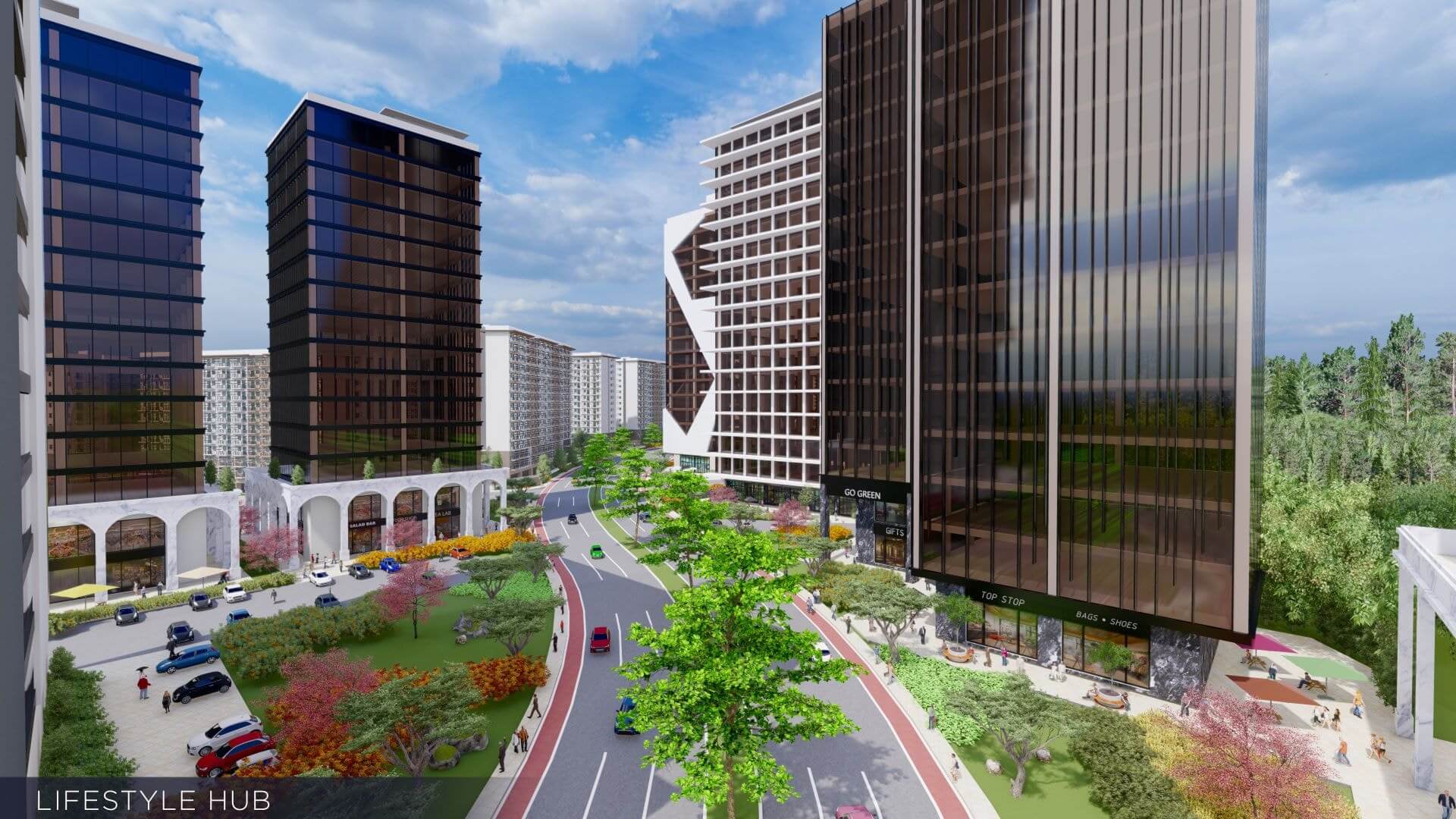
Businesses that thrive plan beyond the present. Choosing a commercial property that supports long-term growth allows companies to expand operations, accommodate more employees, and respond to evolving market demands. Spaces that offer flexibility and scalability reduce the need for frequent relocation and protect investment value.
For businesses considering multiple locations, consistency in property type, accessibility, and customer reach becomes increasingly important. Strategic commercial real estate decisions support sustainable growth and strengthen brand identity across markets.
Choosing the right commercial space is a strategic decision that requires careful consideration of the following factors: location, property type, accessibility, and business goals. When businesses make informed decisions aligned with their long-term vision, commercial real estate becomes a powerful driver of success.
The right space supports operations, attracts customers, empowers employees, and positions the business for enduring growth. In a competitive environment, choosing the right commercial property is not just about where a business operates, it is about how confidently it moves toward the future.