
September 29, 2025


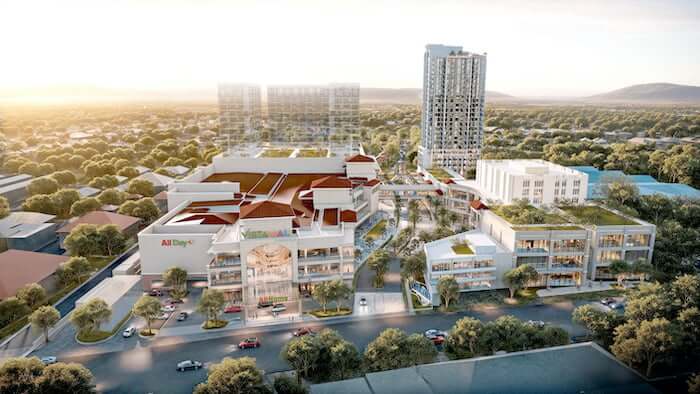
Image source: Vista Land
Commercial real estate is emerging as one of the most dynamic investment frontiers in the Philippines.
For years, residential properties—condominium units, subdivision houses, and rental apartments—dominated headlines. Today, however, commercial properties are steadily becoming the centerpiece of a growing real estate investment market.
With the Philippine real estate sector on an upward trend, fueled by constant property price increases, infrastructure development, and strong economic growth, investors are beginning to recognize the long-term gains in this space.
Whether it’s office buildings, retail spaces, or mixed-use commercial developments, investing in commercial real estate in the Philippines presents lucrative opportunities.
But to make informed decisions, a deeper look at market trends, regional growth zones, and available financing options is essential.
Investing in commercial real estate in the Philippines means acquiring properties primarily used for business purposes—office spaces, shopping centers, retail hubs, or industrial complexes—rather than purely for residential living.
These commercial investments often generate higher rental income compared to residential real estate, particularly in prime locations with high demand.
While residential properties remain a solid entry point for many investors, commercial real estate investments stand out because of their ability to deliver steady cash flow and portfolio diversification.
Commercial spaces such as office buildings or retail strips typically come with longer lease terms, offering real estate investors more financial stability.
The Philippine real estate market is also increasingly shaped by the demand for mixed-use developments that combine residential and commercial properties.
Integrated communities, such as those pioneered by masterplanned developments like Vista Estates, are proof that commercial and residential real estate can thrive together, attracting both local buyers and international investors looking for long-term value.

The Philippine real estate market has displayed remarkable resilience in recent years.
Even amid global economic uncertainty, property prices in the country have shown constant property price increases, with a steady stream of demand coming from both local businesses and multinational corporations.
Several market trends are shaping the trajectory of commercial real estate investments:
The strength of the Philippine economy continues to influence both the residential sector and the demand for commercial properties.
As businesses expand, so does the need for rental properties that cater to workers and professionals. For many investors, this creates opportunities for generating rental income while taking advantage of rising property values tied directly to the country’s economic growth.
Metro Manila remains the top business hub, but nearby provinces and regional cities are seeing increasing demand for commercial spaces, fueled by economic stability and business expansions.
Developers are focusing on masterplanned estates that blend residential and commercial real estate. These properties offer vibrant communities that attract tenants and investors alike.
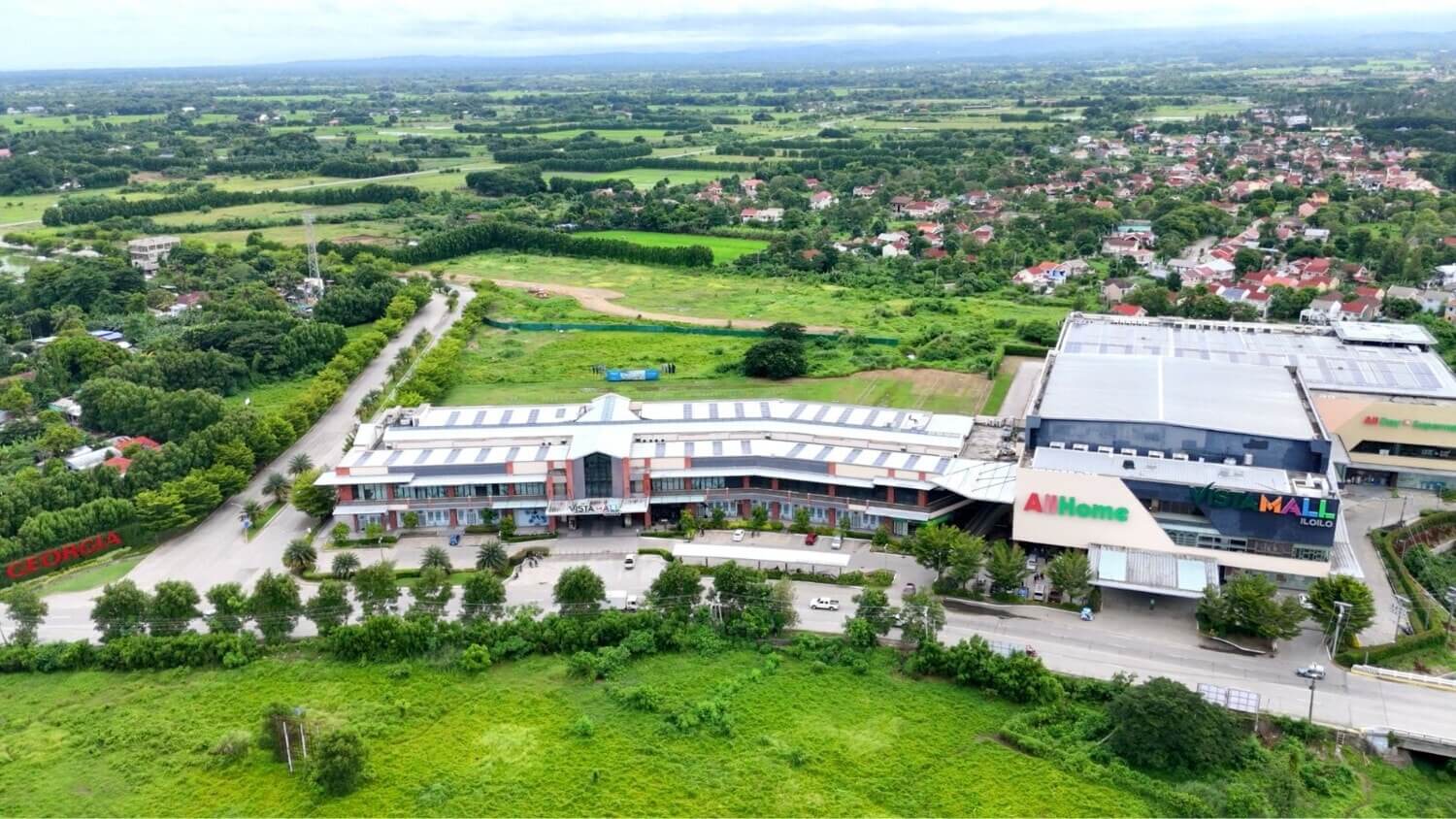
Major infrastructure projects—from expressways and airports to new rail lines—are expanding access and increasing the market value of commercial properties in surrounding areas.
With pre-selling properties offering lower entry costs, and government-backed initiatives allowing longer lease land opportunities for foreigners, commercial real estate is becoming increasingly accessible.
Beyond traditional office buildings, there is a growing demand for co-working spaces, logistics centers, and retail hubs in tourist hotspots and growing urban zones.
Together, these market dynamics reflect a sector that is not only surviving but thriving. For real estate investors, these trends provide valuable insights into where the next big growth stories will unfold.
While Metro Manila continues to command much of the spotlight, the areas immediately surrounding the capital are becoming commercial property hotspots in their own right.
Infrastructure development has turned neighboring provinces into prime locations for commercial investments, with projects that improve connectivity and attract both businesses and residents.
Infrastructure projects approved and supported by the Philippine government are critical drivers of property values.
Roads, bridges, and airports expand access to suburban and regional centers, fueling a growing market for commercial investments. These initiatives create emerging trends in location preferences, with investors increasingly eyeing properties near transport corridors.
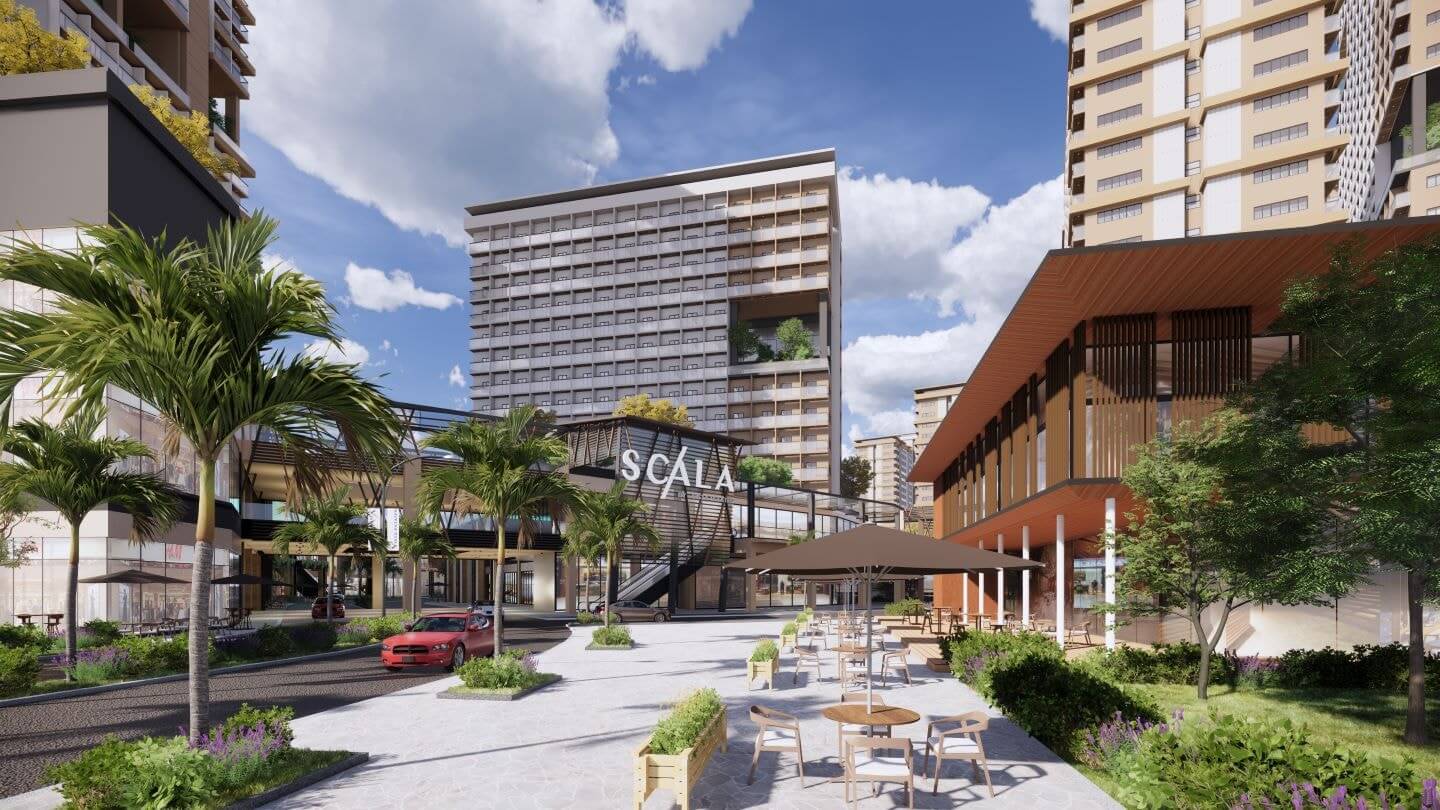
Metro Manila remains the benchmark for the real estate industry, with commercial spaces and residential properties both in high demand.
While the residential sector offers stability, commercial real estate delivers higher potential for generating rental income in prime locations. Market dynamics in the capital continue to show significant appreciation, ensuring that investors find the right property aligned with their financial goals.
The completion of the New Manila International Airport (NMIA) is transforming Bulacan into a logistics and commercial hub.
Northwin Global City and Vista Estates’ Aspen development are examples of how integrated estates are preparing for increased demand in retail and office spaces. The province’s strategic location along NLEX also makes it a magnet for business expansions.
With infrastructure projects like CALAX (Cavite–Laguna Expressway) and the LRT-1 Cavite extension, Cavite is seeing rapid commercial growth.
Stanza by Vista Estates is one of the province’s lifestyle-commercial hubs, while other projects like Maple Grove are shaping new CBDs. These developments are drawing in businesses that want proximity to Metro Manila but lower property prices.
Long known for industrial parks, Laguna is also expanding its commercial profile.
Areas, like Sta. Rosa are attracting retail complexes, office parks, and mixed-use estates catering to both residential and commercial demand, from property developments such as those in Nuvali.
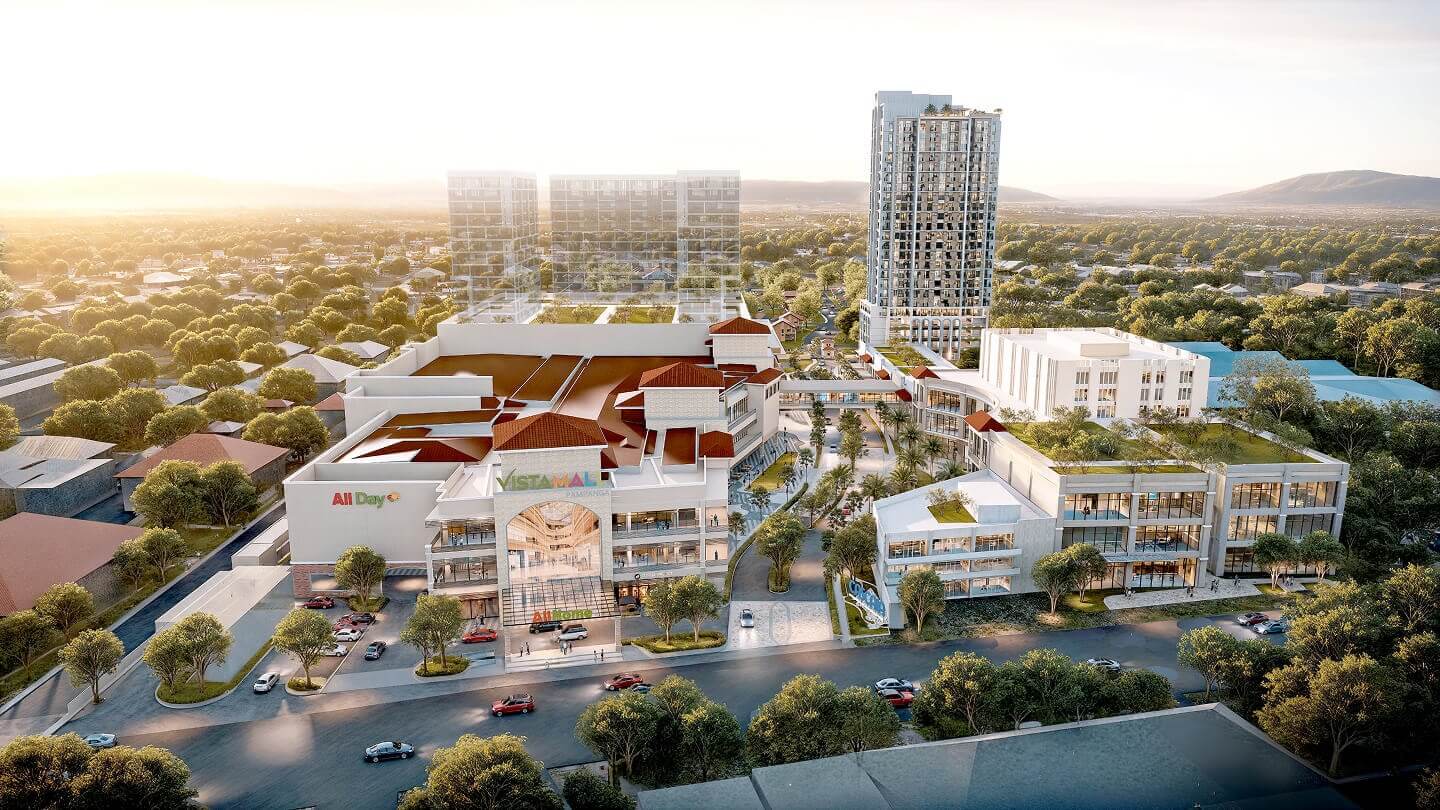
With Clark International Airport’s expansion and major infrastructure like NLEX and SCTEX, Pampanga is positioning itself as a new center of commerce in Central Luzon.
Vista Estates’ Cascaia is an emerging estate in the province that highlights the growing demand for lifestyle-driven commercial and residential spaces.
Vidarte by Vista Estates in Antipolo is an example of how commercial real estate is extending into lifestyle-driven suburban communities. Positioned as a lifestyle and commercial hub, it demonstrates how urbanized living is expanding eastward from Metro Manila.
These neighboring regions represent not just extensions of Metro Manila but independent growth centers with long-term growth potential.
For real estate investors, the opportunity to purchase property in these areas early can lead to significant appreciation and steady cash flow.
Beyond the Metro Manila periphery, the Philippine real estate industry is also expanding in key cities across the archipelago.
These regional hubs are becoming increasingly attractive destinations for commercial investments thanks to a combination of infrastructure projects, regional demand, and strong market value growth.
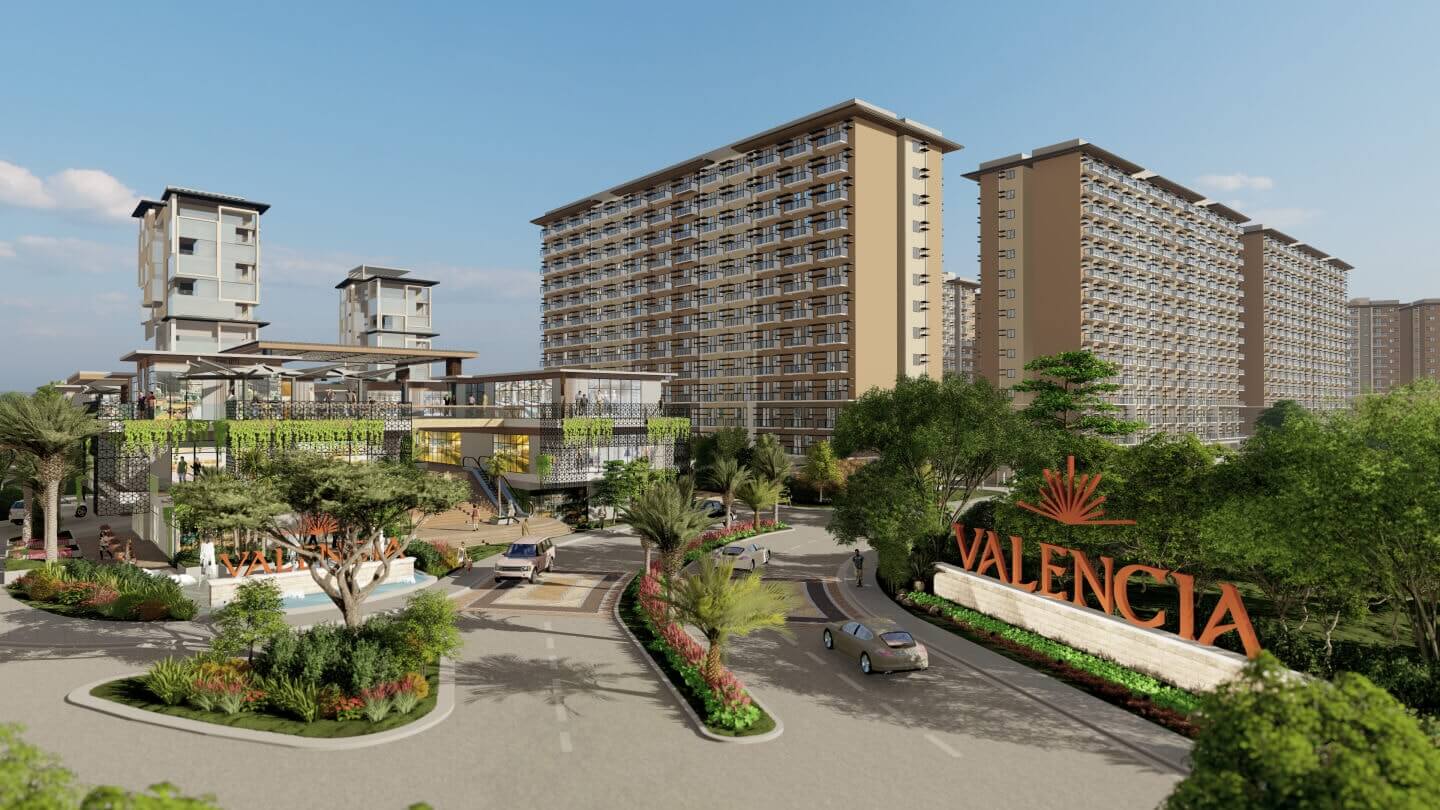
Long a major BPO and tourism hub, Cebu continues to see strong demand for commercial and residential properties. Infrastructure developments, such as the Cebu–Cordova Link Expressway, support its position as a leading commercial destination.
The city has high occupancy rates in condominium units and increasing demand for retail and commercial properties.
Ongoing infrastructure development, like the Davao–Samal Bridge, is expected to boost its market dynamics further.
Financing plays a crucial role in real estate transactions. For investors in the Philippines, several options make commercial real estate more accessible:
Making investment decisions in real estate requires more than analyzing property prices or financing terms. Investors need to study emerging trends in the growing market and identify the right property type for their investment goals.
Key professionals, such as real estate agents, play an important role here, offering valuable insights into available commercial spaces, local demand and the best investments to look into.
By seeking professional advice, investors can reduce risks and position themselves for long-term growth.

The Philippine real estate market is evolving into a broad spectrum of opportunities beyond traditional residential real estate developments.
With infrastructure development accelerating across the country, the commercial real estate sector is well-positioned for long-term value appreciation.
The message is clear: investing in commercial real estate in the Philippines is no longer a niche pursuit. It is the next big thing.