
February 9, 2026


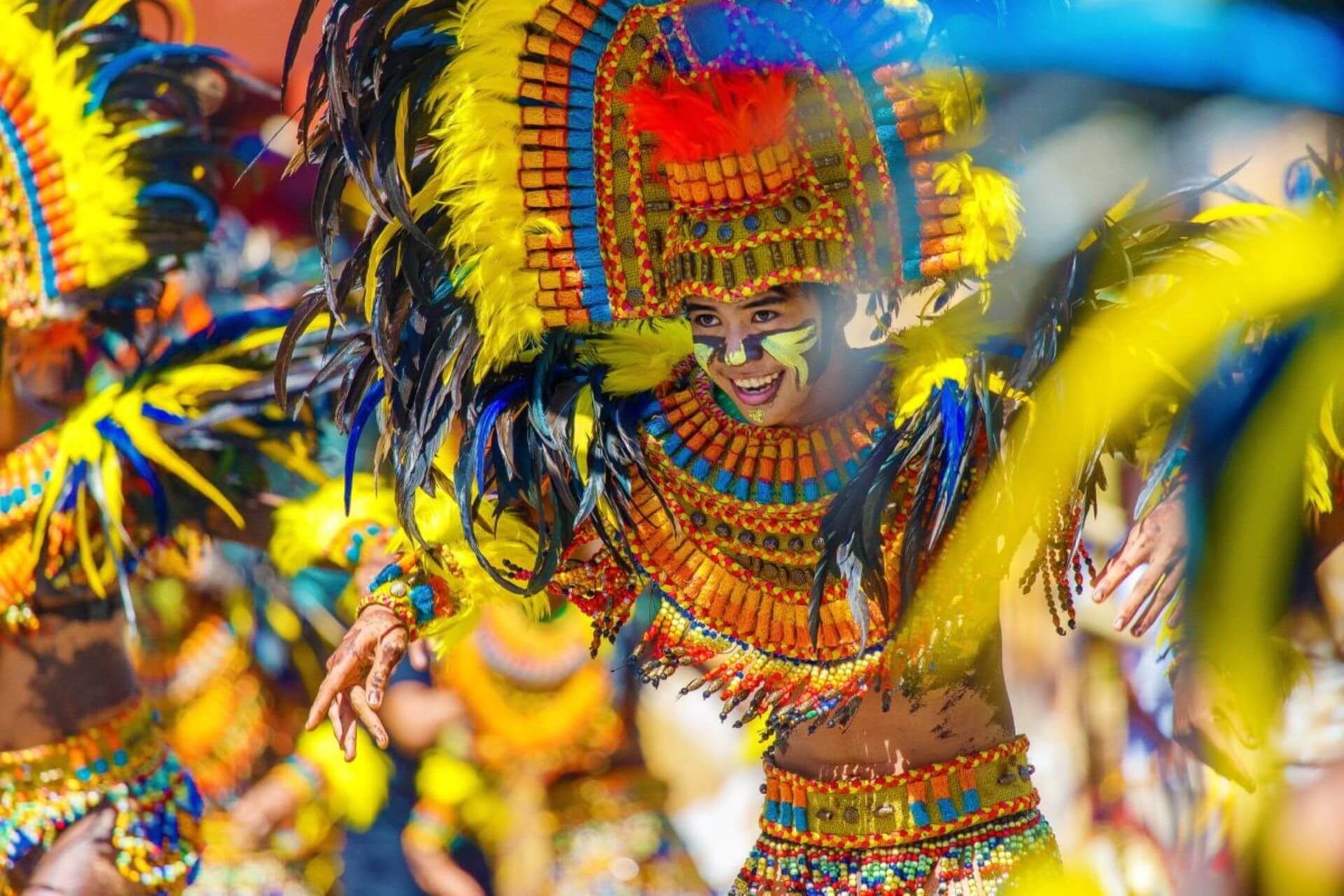
Photo from: https://philippinetourismusa.com/11-best-festivals-to-join-in-the-philippines/
At some point, travel stops being about novelty.
You reach a stage in life where beaches blur together, viewpoints start to look familiar, and cafés become interchangeable. What stays with you is not the photos, but the moments when a place feels alive. When it shows you who it is without trying too hard.
For many Filipinos already deep into their careers, travel has shifted from collecting destinations to choosing experiences with meaning. Time is limited, schedules are full, and trips now come with intention. You want to arrive somewhere and feel like you understand it, even briefly.
That is where Philippine festivals come in.
Festivals in the Philippines are not just events. They are cultural celebrations that reveal how cities function when people come first. Streets turn into gathering spaces, town centers become stages, and daily routines make room for expression. You hear lively music, see traditional dances unfold in public spaces, and experience local cuisine that only appears when the festival begins.
This is culture, not curated, but lived.
Festivals in the Philippines exist because communities choose to sustain them. These local festivals form part of Filipinos rich cultural heritage. These are major festival traditions passed down through generations, shaped by religious traditions, local culture, historical events, and shared values.
Many festivals honor a patron saint or figures such as the Blessed Virgin Mary. Others celebrate agricultural abundance or moments of survival and resilience. From colorful street dancing, street performances, dance parade and street parties to solemn rituals and wedding ceremony reenactments, these festivals reflect rich traditions rooted in place.
What makes these festivals endure is participation and community spirit which form part of Filipino culture and values. Local artisans prepare costumes, the Masskara festival features colorful masks patiently crafted by mask makers. Local dishes and local delicacies are cooked in bulk. Food fairs line the streets, showcasing regional flavors and local cuisine. These are not just events you attend. They are experiences you move through.
It is why the most famous festivals continue to draw crowds year after year, earning their place among the most colorful festivals and most visited festivals in the country.
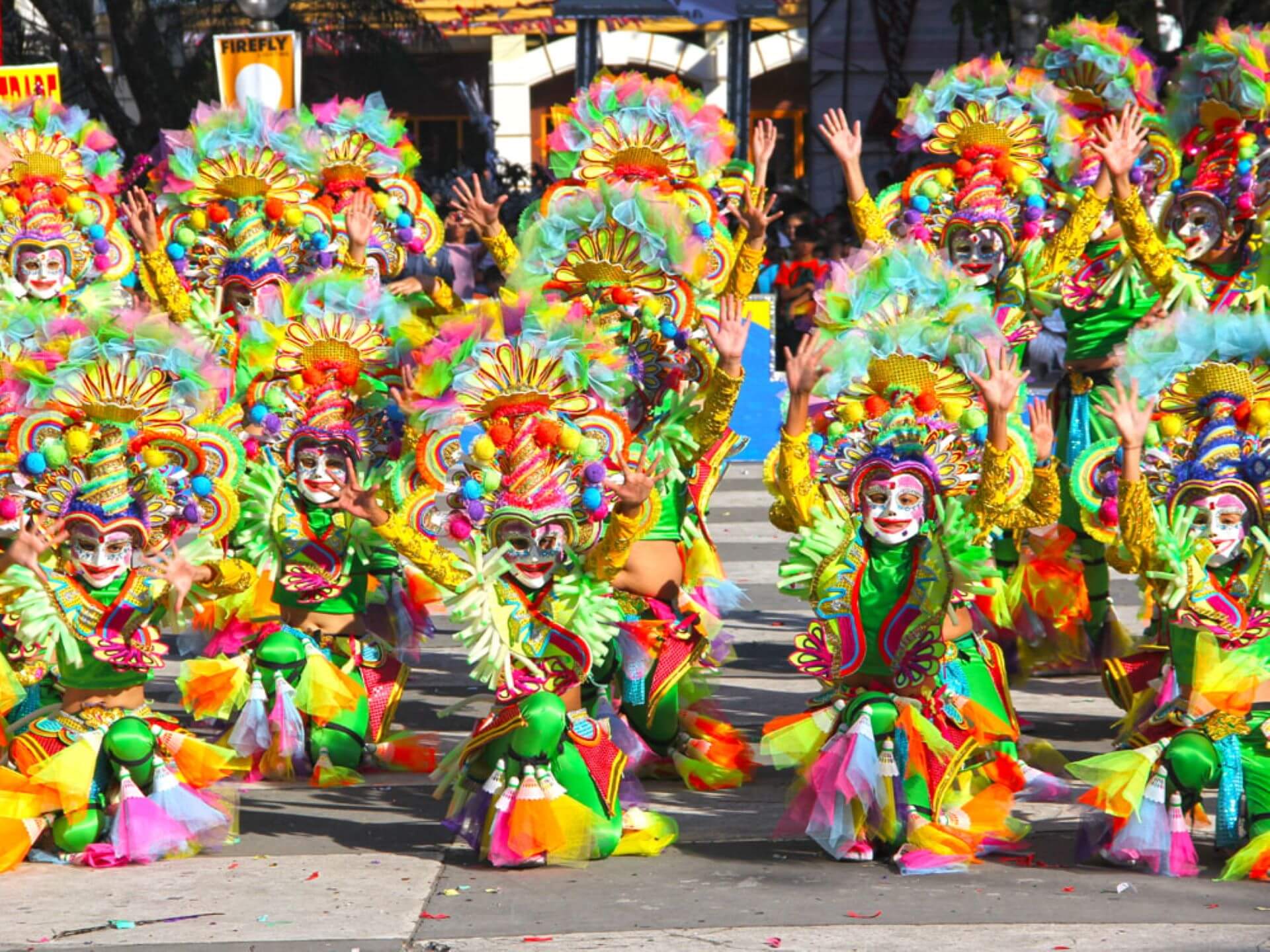
Image source: https://marcrovinsevilla.home.blog/
Festival season in the Philippines runs all year, but certain months carry particular weight.
January marks the third week and third Sunday celebrations of Sinulog Festival and Ati Atihan Sinulog Festival traditions. May brings harvest festivals such as Pahiyas Festival. August highlights Kadayawan Festival in Davao City. October belongs to Masskara Festival, while December closes the year with the Giant Lantern Festival in San Fernando City.
This rhythm allows travelers to plan experiences around culture, not just weather.
When people search for the top festivals in the Philippines, they are usually looking for celebrations that combine scale, meaning, and consistency.
The Sinulog Festival in Cebu City is widely regarded as the most visited festival in the Philippines, drawing millions through its Sinulog grand parade, street parades, and dance ritual performances. Other festivals often included among the most famous festivals are the Ati Atihan Festival, Masskara Festival, Panagbenga Festival, Giant Lantern Festival, Kadayawan Festival, Pahiyas Festival, and Moriones Festival.
Together, these festivals define the country’s vibrant culture and continue to anchor Filipino identity.
Cities that sustain long-running festivals demonstrate more than tradition. They show the ability to organize, fund, and maintain large-scale cultural celebrations over time. This consistency often reflects stable governance, active communities, and long-term planning.
For individuals looking at cities through a lifestyle or investment lens, festivals act as indicators of cultural resilience and urban relevance. Places that protect their traditions while supporting growth tend to attract people who value both progress and meaning.
The Sinulog Festival in Cebu City is the country’s most visible celebration.
Held every third Sunday of January, the festival honors the Santo Niño through street dancing, traditional dances, and massive street performances. The Sinulog grand parade draws participants from across the country, filling the city with colorful costumes, lively music, and nonstop movement.
Cebu City transforms completely during this major festival. Streets close, street parties emerge, and the city becomes a living stage for cultural presentations rooted in faith and history.
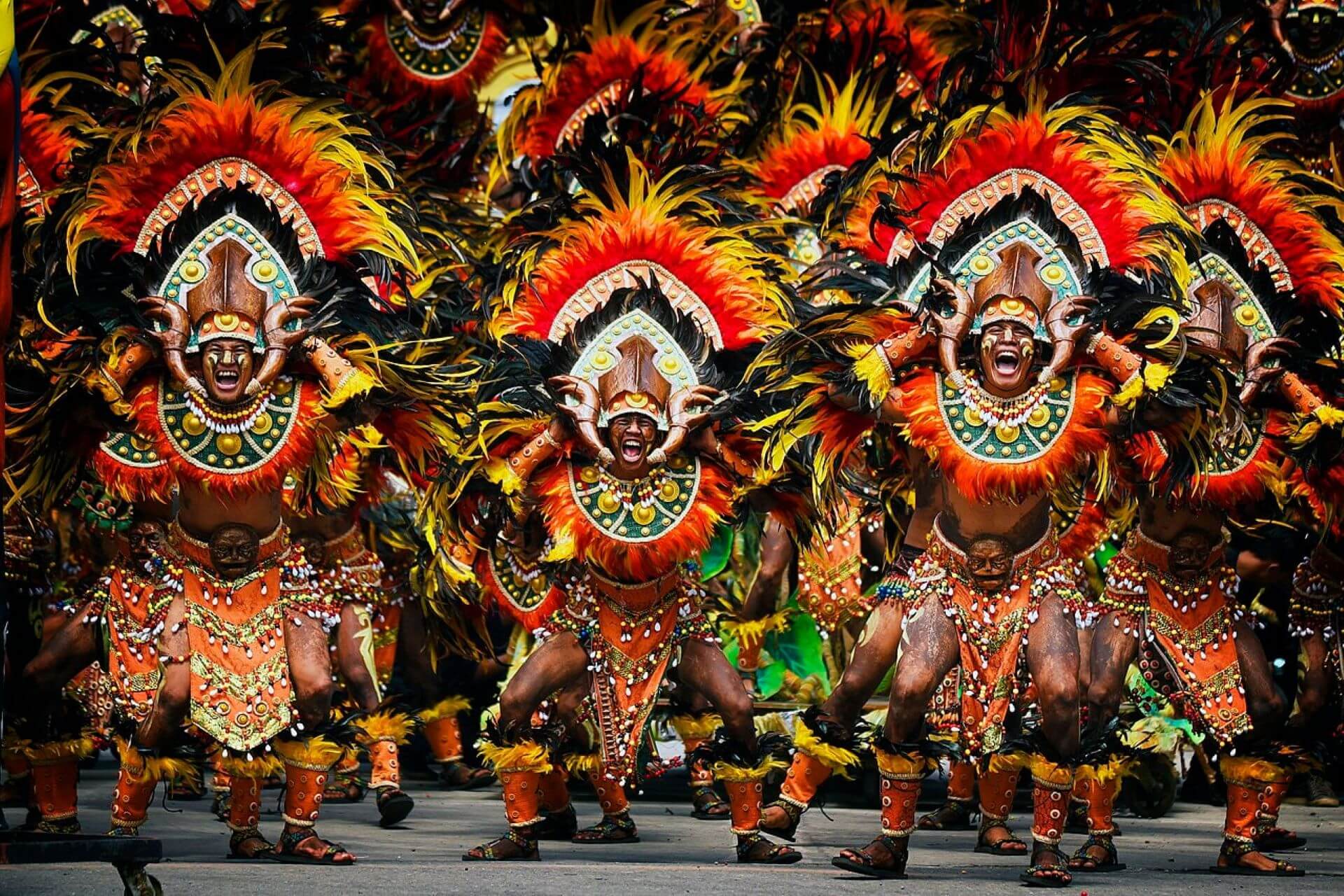
By Fpj455 – Own work, CC BY-SA 4.0, https://commons.wikimedia.org/w/index.php?curid=87436043
The Dinagyang Festival in Iloilo City is known for its high-energy street performances and polished choreography.
This festival, closely linked to the Ati Atihan Sinulog Festival lineage, features powerful drumbeats, elaborate costumes, and intense dance rituals performed in the heart of the city. Dinagyang is often cited among the most colorful festivals for its precision and theatricality.
The Masskara Festival in Bacolod City stands out for its unmistakable visual identity.
Celebrated every October, the festival features colorful parades, street performances, and large-scale productions. Smiling masks, bright colors, and lively music dominate the streets. Beauty pageants, food fairs, and night street parties extend the celebration across the city.
What began as a response to hardship has become one of the country’s most recognizable cultural celebrations.
Panagbenga Festival, held in Baguio City, is often described as the art capital of Philippine festivals.
This month-long celebration showcases a grand float parade of beautiful flowers, traditional dances, and cultural presentations that reflect the city’s creative spirit. The cool climate and mountain setting give Panagbenga a distinct rhythm, balancing spectacle with atmosphere.
The Giant Lantern Festival in San Fernando City is a celebration of craftsmanship.
Held every December, communities compete by creating massive lanterns illuminated through complex light patterns. Local artisans spend months preparing their entries, turning the town center into a showcase of skill and innovation.
This festival highlights how tradition can evolve through technology while preserving rich culture.
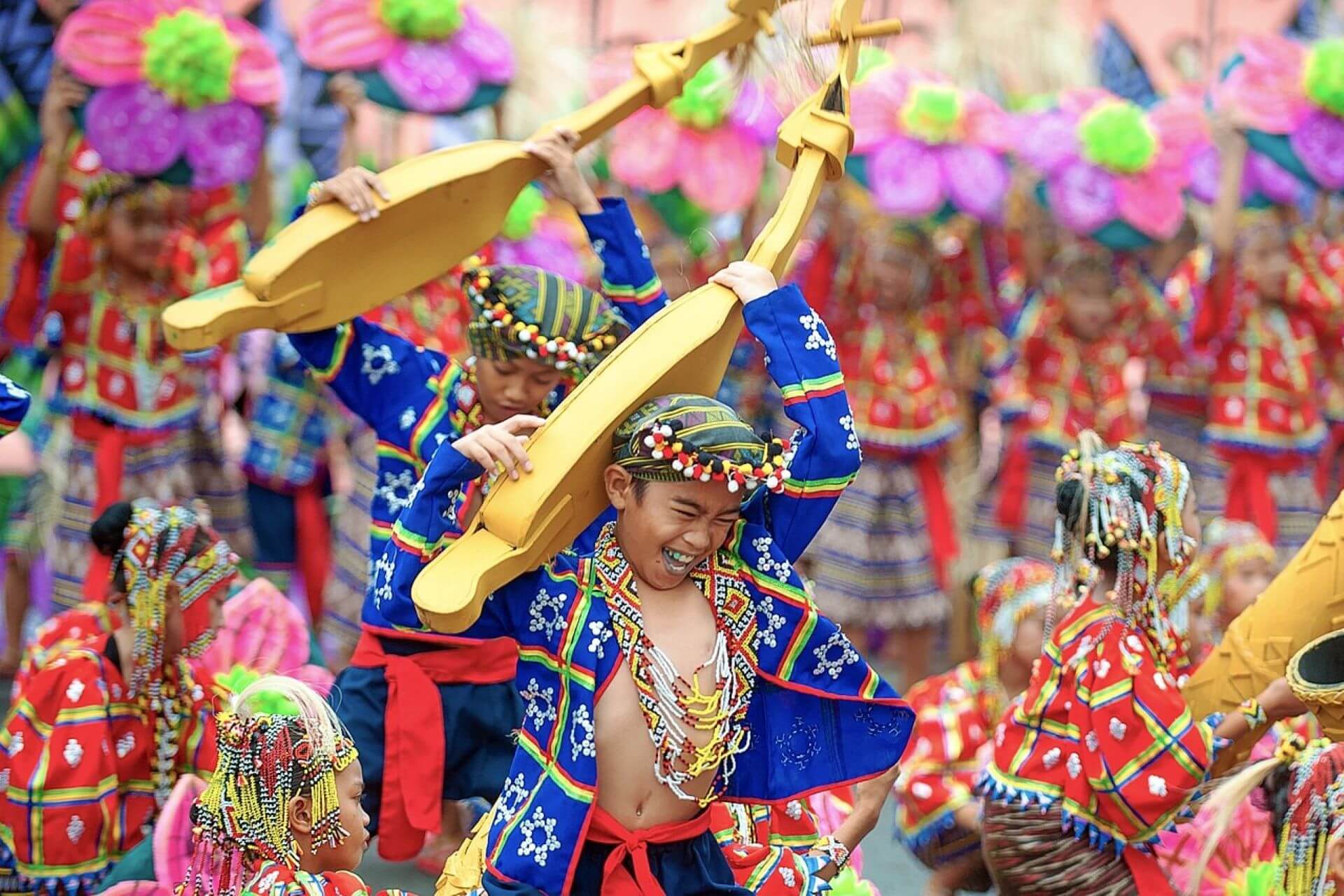
By Fpj455 – Own work, CC BY-SA 4.0, https://commons.wikimedia.org/w/index.php?curid=87436043
The Kadayawan Festival in Davao City honors indigenous heritage and agricultural abundance.
Events include cultural presentations, street performances, and colorful parades that highlight local traditions. The festival reflects gratitude for nature, community, and diversity, making it one of the most meaningful Philippine festivals.
The Pahiyas Festival celebrates San Isidro Labrador, the patron saint of farmers, through house decorations made of rice wafers and produce. It reflects gratitude for a bountiful harvest.
The Moriones Festival features participants dressed as Roman soldiers wearing colorful masks, reenacting biblical events during Holy Week, particularly on the fourth Sunday.
The Obando Fertility Rites honor the Blessed Virgin Mary and saints through ritual dances performed by couples seeking blessings for marriage and family.
These festivals show how faith, history, and local life intersect in deeply personal ways.
What connects these must-visit festivals in the Philippines is their proximity to cities that continue to grow.
Cebu City, Bacolod City, Baguio City, Davao City, and San Fernando City are growth centers where culture and infrastructure move together. Living near Vista Land masterplanned communities allows people to experience festivals not as distant trips, but as part of everyday life.
These communities are positioned within cities that value access, connectivity, and cultural continuity, making them relevant long after the festival crowds leave.
It is easy to dismiss festivals as entertainment. Just events. Something to attend, enjoy, and move on from.
But in the Philippines, festivals serve a broader purpose. They reinforce social bonds, sustain local economies, and preserve practices that might otherwise disappear. Local artisans gain platforms. Traditional dances are passed to younger generations. Cultural knowledge stays active rather than archived.