
May 18, 2026


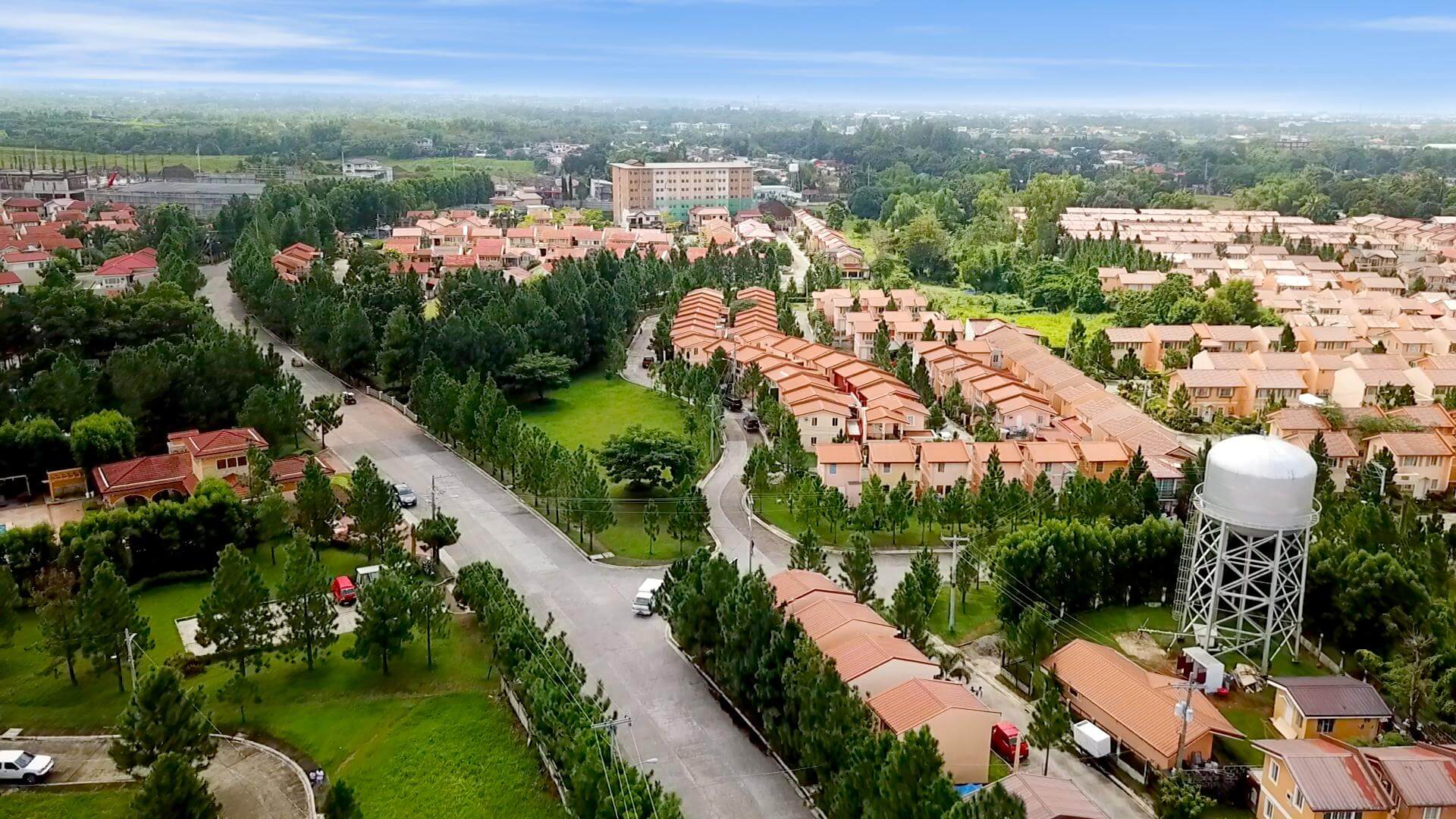
The Philippine real estate landscape is undergoing a quiet but powerful transformation.
While Metro Manila has long been the center of business, infrastructure, and property investments, a new set of locations is rising to prominence. These are the next wave cities in the Philippines; they are digital cities and dynamic urban centers outside the capital that are rapidly attracting businesses, talent, and property developers. What’s more, these cities can be found across the Philippines, from the quiet countryside to nearby urban hubs.
As the country continues to embrace digital transformation, these emerging cities are poised to shape the future of real estate, investment, and economic growth.
The term “next wave cities” refers to provincial urban areas identified as high-potential hubs for business process outsourcing (BPO), information technology (IT), and other digital jobs.
These cities are often recognized by organizations like the IT and Business Process Association of the Philippines and the National ICT Confederation of the Philippines for their readiness to support the IT-BPM (Information Technology and Business Process Management) sector.
Unlike traditional key cities such as Manila, next-wave cities offer a more balanced business environment at competitive costs. They combine improving digital infrastructure, strong government support, and a steady supply of skilled graduates from reputable educational institutions. These factors make them highly attractive to global companies looking to expand operations while managing costs.
What sets next wave cities apart from larger urban centers? Several defining traits explain their rapid rise:
First, they offer a competitive cost structure: office space, housing, and labor costs are significantly lower than in Metro Manila, allowing businesses to maximize efficiency while maintaining quality operations.

Second, local governments play a proactive role in attracting investments.
Through incentives, streamlined permits, and infrastructure development, they create an environment that encourages business expansion and reaches across sectors for collaboration.
Third, these cities are supported by strong digital infrastructure.
These emerging cities are composed of reliable internet connectivity, modern office spaces, and upgraded transport systems, enabling seamless business process operations and supporting the rising demand for digital jobs.
Finally, there is a strong focus on education and skills development for local talents.
Universities and training centers continuously produce a pool of talent equipped with information technology and communications technology expertise, both key drivers of the BPO and IT sectors.
Several cities across the country have emerged as leaders in this movement throughout the different regions, each contributing to the spread of economic growth beyond the capital.
In the Visayas region, Iloilo City stands out as a prime example.
Known for its rich history and vibrant tourism industry, Iloilo has evolved into a major IT-BPM hub. Its well-planned infrastructure, highly educated workforce, and strong government initiatives make it a preferred location for global companies.
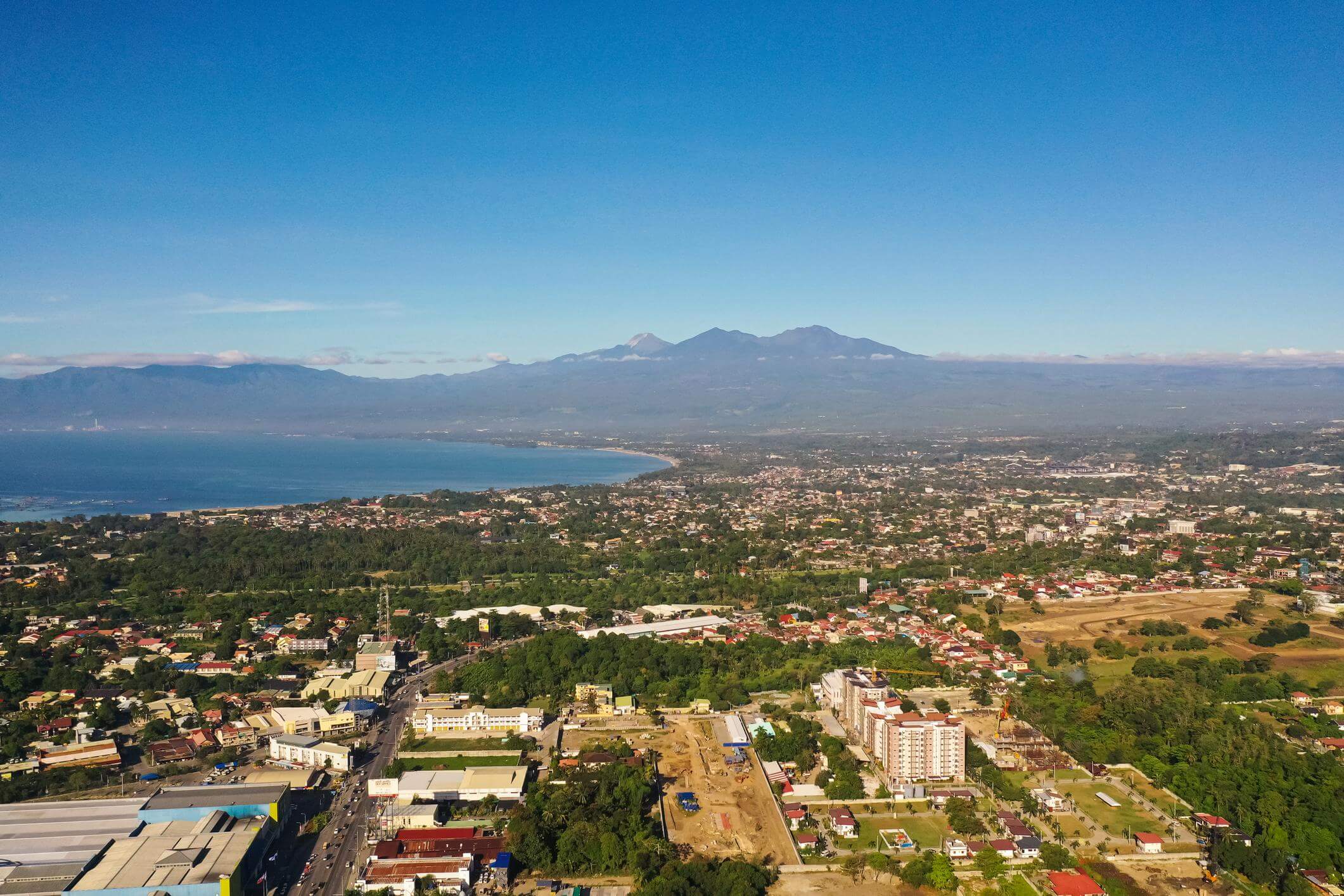
Image source: https://businessmirror.com.ph/2023/02/22/mmda-shares-insightsfor-effective-traffic-management-system-in-davao-city-streets/
In Mindanao, Davao City continues to gain recognition as a leading digital city.
With its stable peace and order situation, expanding business centers, and excellent access to talent, Davao is a catalyst for economic activity in the southern regions of the country.
Another rising hub is Cagayan de Oro, often referred to as the gateway to Northern Mindanao.
Its strategic location, growing infrastructure, and increasing number of BPO firms highlight its potential to compete with more established urban centers.
Other wave cities such as Bacolod, Baguio, and Dumaguete also play a crucial role in the nationwide expansion of the IT-BPM industry. Together, these locations form a network of digital cities that support the decentralization of economic activity in the Philippines.
The continued expansion of information and communications technology has been a major driver behind the success of next wave cities.
As businesses increasingly rely on digital tools, automation, and even bot-driven processes, the demand for skilled professionals in IT and BPO continues to grow.
The business process outsourcing department, in particular, has been instrumental in transforming these cities into thriving economic hubs. From customer service and technical support to software development and data analytics, the IT-BPM sector provides thousands of employment opportunities and incentives for Filipinos.
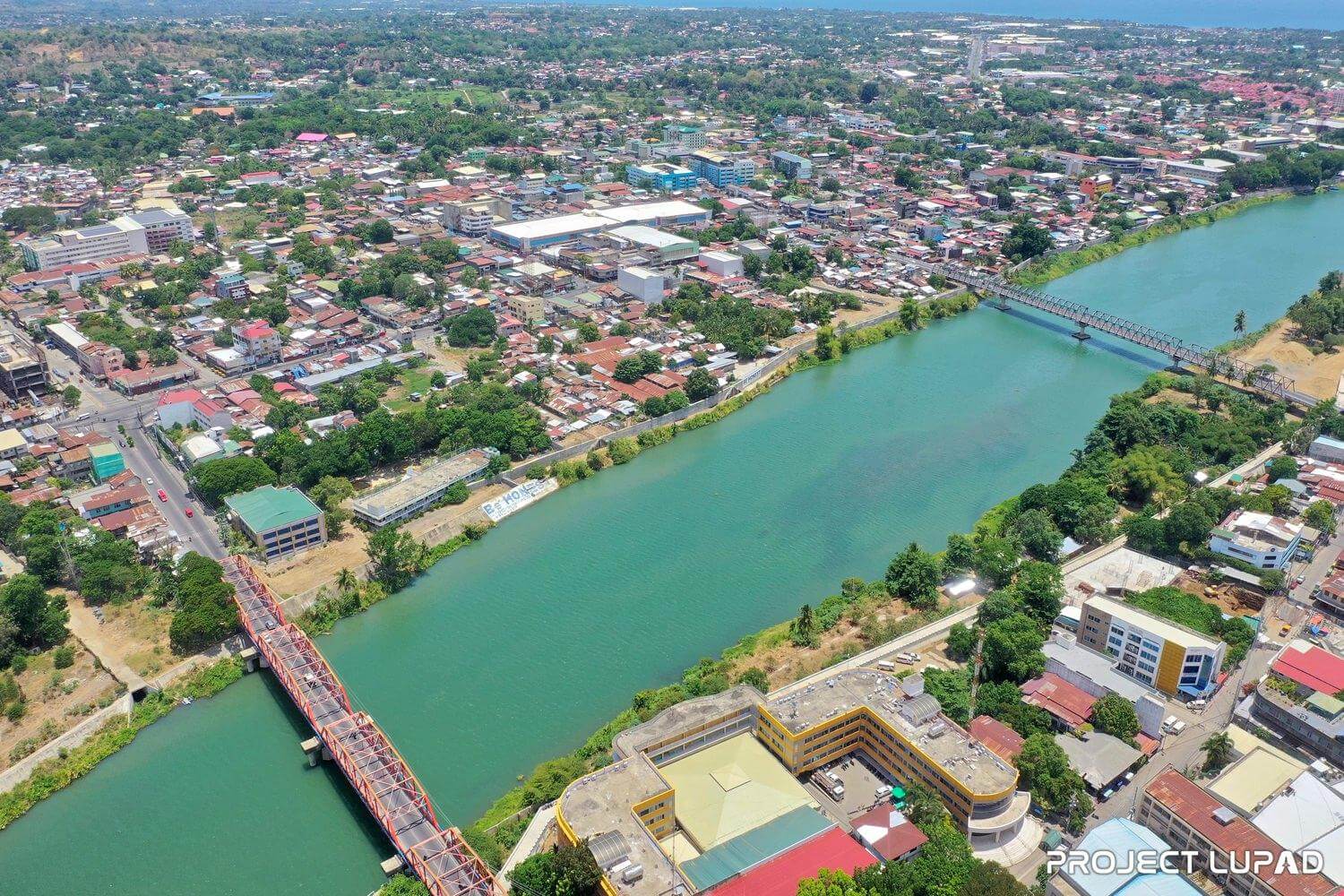
Image source: https://www.projectlupad.com/cagayan-de-oro-aerial-view-during-community-quarantine-april-26-2020/
This growth is further supported by national initiatives led by government agencies such as the Department of Information and Communications Technology.
Through programs aimed at improving connectivity—all the way to the countryside—promoting digital literacy, and encouraging investments, the government ensures that next wave cities remain competitive on a global scale.
As businesses expand into these locations, the demand for real estate naturally follows.
Residential developments, business environments, and mixed-use communities are rapidly rising to meet the needs of a growing workforce.
For property buyers and investors, next wave cities present a compelling opportunity. Compared to Metro Manila, property prices in these areas remain relatively affordable, offering greater potential for appreciation over time.
At the same time, the increasing number of employees and highly educated graduates relocating to these cities drives demand for quality housing and community developments.
Moreover, these cities offer a higher quality of life. Less congestion, closer proximity to nature, and a stronger sense of community make them attractive not just for work, but also for long-term living. This shift reflects a broader trend where Filipinos are choosing to move away from overcrowded urban centers and into more sustainable environments in the countryside.
The rise of next wave cities represents more than just economic expansion. It signals a shift toward inclusive and balanced development across the country. By spreading opportunities beyond Metro Manila, these cities help address long-standing challenges such as urban congestion, unequal resource distribution, and limited access to a stable business environment in the provinces.
This decentralization also strengthens regional economies, allowing more Filipinos to build careers without leaving their home provinces.
It supports the growth of local industries, boosts tourism, and enhances the overall resilience of the Philippine economy.
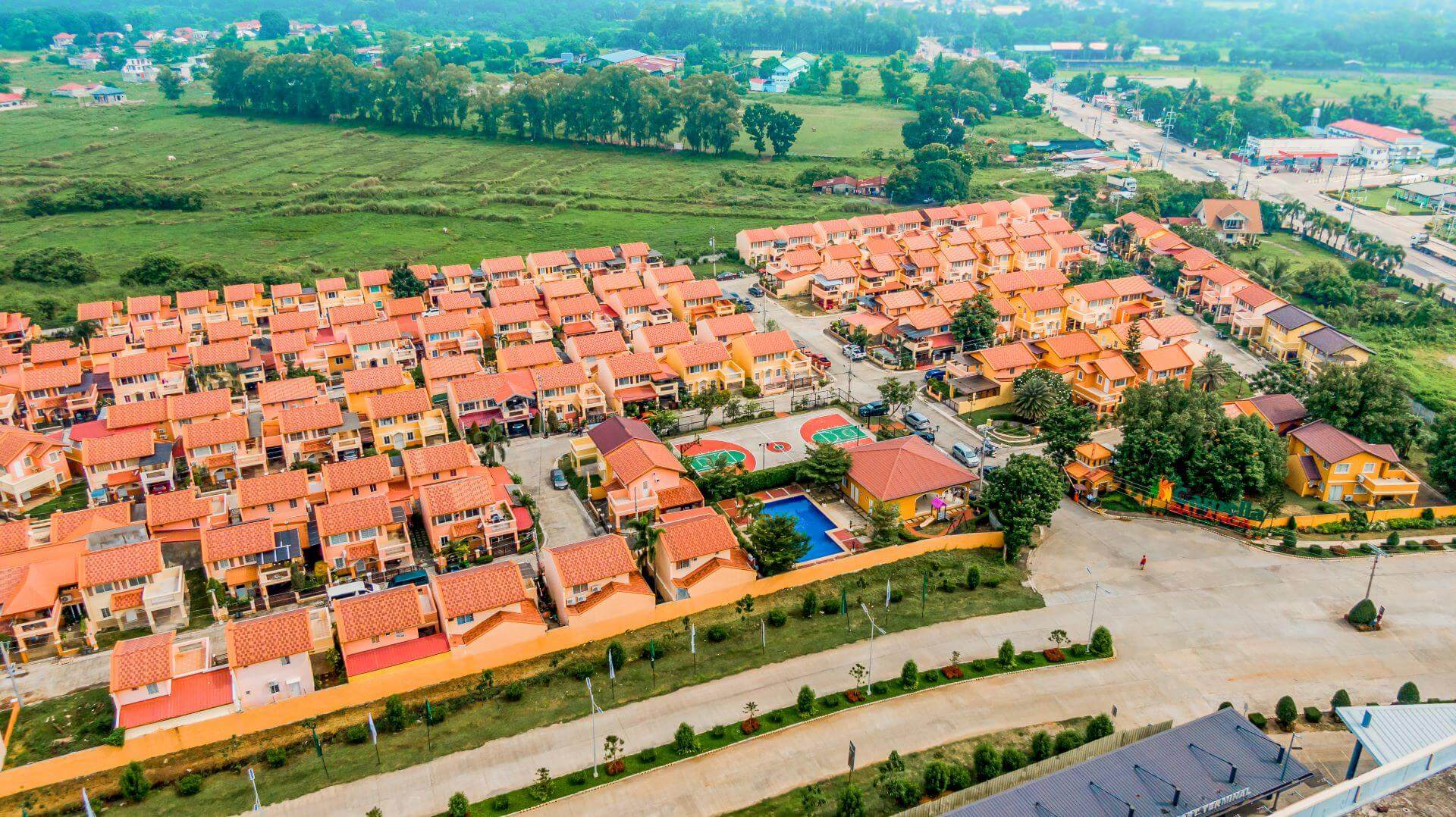
As these emerging cities continue to thrive, real estate developers play a crucial role in shaping their future.
Camella, one of the Philippines’ leading housing developers, has strategically established communities in and around many of these next wave cities.
With developments in key areas like Iloilo City, Davao City, and Cagayan de Oro, Camella provides modern homes designed to meet the needs of today’s workforce. These communities offer accessibility to business hubs, proximity to educational institutions, and a secure, family-friendly environment.
At Camella communities in next wave cities, you can tap into your world-class talents and have access to some of the best employment and business environments the Philippines has to offer.