
March 4, 2026



For many Filipinos, real estate investing remains one of the most trusted paths to long-term financial success.
Property ownership offers a reassuring key benefit: physical property is an investment you can see, use, and pass on. For many, an investment property is the most reliable asset class for building wealth.
Whether your aim is steady income, capital growth, or a mix of both, understanding how to balance residential and commercial investment strategies is key to optimizing your investment portfolio.
In the Philippines, population growth, urban expansion, and ongoing infrastructure development continue to shape major markets. This means that smart portfolio diversification can help you mitigate risk while positioning yourself for capital appreciation and consistent cash flow.
At its core, property investment works best when residential and commercial assets are treated as complementary rather than competing choices.
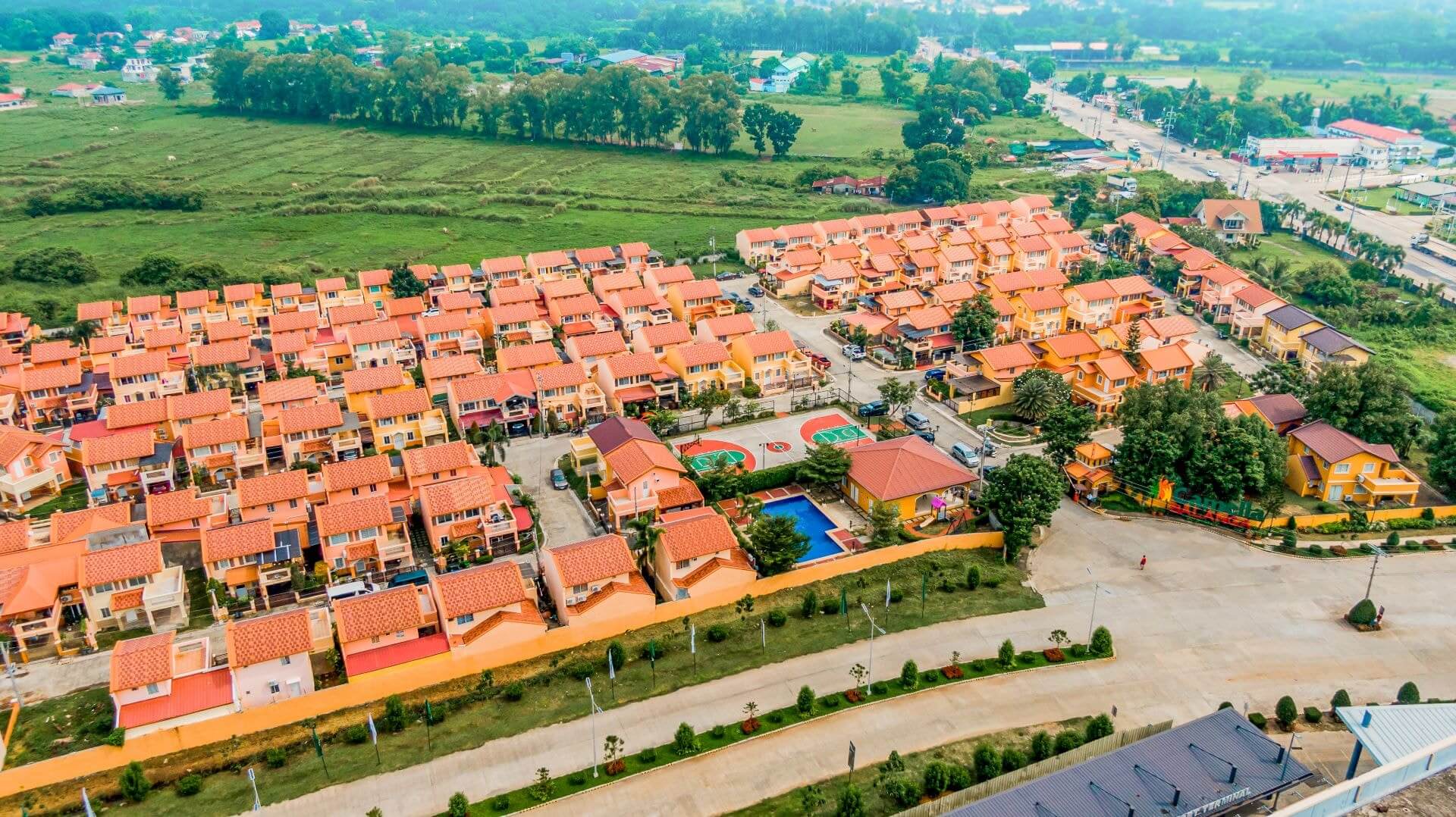
Residential properties (such as house-and-lot units, townhouses, or condominiums) are often the starting point for Filipino real estate investors. They typically require lower capital upfront, are easier to finance, and benefit from strong rental demand, especially in growing suburban communities.
A good residential real estate investment strategy can help you make informed decisions on which properties to invest in. A strong investment strategy should allow you to maximize rental income and attract tenants (with good tenant quality).
With stable monthly rent for cash flow and simpler tenant management, residential properties are ideal core investments for investors with moderate risk tolerance.
On the other hand, commercial real estate, including retail spaces, warehouses, and even small office buildings, can deliver higher rental yields and longer-term commercial leases.
While commercial property investment usually requires a larger initial investment and more active management, it offers the potential for stronger cash flow and faster asset appreciation when market conditions are favorable.
Although it’s important to note that many commercial real estate investors typically have a higher risk tolerance than others who do property investment. With opportunistic investments, however, it may be faster to achieve your financial goals through commercial real estate investments.
Effective real estate investment strategies always begin with clear financial goals.
Are you investing primarily for passive income on rental yields, or are you focused on capital growth and increased property value over the next 10 to 20 years?
Investors seeking steady income often prioritize residential rentals or well-located commercial property with reliable commercial tenants. Those focused on capital appreciation may lean toward value-added investments or undervalued properties in emerging locations poised for growth due to new roads, transport hubs, or business districts. They may also explore more flexible lease structures.
Understanding your risk tolerance also matters. Residential rentals tend to be more resilient during market volatility, while commercial investments can be more sensitive to market cycles and interest rates.
A balanced mix allows you to benefit from both stability and upside potential.
One of the biggest key benefits of real estate investing is predictable rental income. Residential units often generate more consistent occupancy, while commercial properties may deliver higher net returns but come with longer vacancy risks.
As a property owner, you must account for operating expenses, property-related expenses, and property taxes. These include maintenance, insurance, and possible property management or hiring a property management company to handle tenant management and lease enforcement.
The good news is that many of these costs qualify as tax deductions, including mortgage interest, mortgage payments, and certain repairs, helping offset your taxable income from both residential and commercial tenants.
Over time, rising property values and asset appreciation can further strengthen your overall returns.

Real estate investors should also understand the impact of capital gains tax, property taxes, and transaction costs when planning exits or expanding their portfolio.
While taxes are unavoidable, real estate still offers compelling tax benefits compared to other core investments.
Unlike real estate investment trusts or passive investing options, often accessible only to accredited investors, direct property ownership gives you control over pricing, tenant selection, and asset use.
This hands-on approach allows investors to respond strategically to market conditions, tenant demand, and market fluctuations.
The Philippines continues to benefit from favorable demographics and expanding cities. Strong population growth, improving connectivity, and regional development create sustained tenant demand for both housing and commercial leases.
Diversifying across locations and property types helps protect against localized downturns and fluctuating property values. Mixing residential rentals with select commercial investments, such as retail spaces in growing communities, strengthens portfolio resilience and supports long-term wealth-building objectives.
For investors seeking a diverse range of opportunities backed by proven development expertise, Camella and Vista Land offer compelling options across the country.
Camella’s master-planned residential communities cater to strong rental demand in suburban and provincial growth areas, making them ideal investment properties for those focused on stable passive income and long-term capital appreciation.
Vista Land’s integrated real estate projects, which often combine residential and commercial components, allow investors to participate in both residential properties and income-generating commercial property within the same ecosystem.
With professional property management, quality infrastructure, and a track record of delivering developments aligned with market conditions, Camella and Vista provide investors with confidence, especially those working with a financial advisor to make informed decisions.

Ultimately, optimizing your portfolio includes using a well-planned real estate investment strategy.
A good investment strategy should include balancing growth, income, and risk.
By combining residential stability with the earning power of commercial real estate investment, Filipino investors can create a resilient strategy that performs across market cycles.
Real estate remains one of the most reliable tangible assets available. Plus, a robust real estate investment strategy offers rental income today and increasing property values tomorrow.
With the right mix of assets, thoughtful planning, and trusted developers, your real estate investments can become a cornerstone of lasting financial security.