
April 17, 2026


Owning a place to return to during holidays or vacation time has a certain appeal for many Filipino families. A familiar setting that allows you to spend time resting, gathering, and being away from routine can make each trip more meaningful. At the same time, rising interest in travel and flexible accommodations has opened opportunities for vacation home investment to serve a dual purpose: it functions as both a retreat and a source of income.
A vacation home can become more than an occasional escape. You can turn that vacation property into a source of extra cash and into something that supports your long-term financial goals while still providing space for shared experiences.

A second home differs from a primary residence in both purpose and use. While an existing home is centered on daily routines, a vacation house is often chosen for its location and its ability to support rest, recreation, and family gatherings.
For many, the appeal begins with the lifestyle it offers. Having a dedicated place for relaxation time allows families to plan great vacations without the need for repeated bookings. It also creates a space that can comfortably host a big chunk of frequent visitors, especially during holidays and long weekends.
Over the past decade, shifts in the real estate market, tax benefits, and a generally good economy have encouraged more buyers to consider properties beyond their main residence. A vacation home investment is now often viewed as part of a broader real estate strategy, where enjoyment and financial return can exist in the same space.
A vacation rental property becomes financially viable when it is used strategically. Instead of sitting unused for most of the year, it can be offered to guests willing to pay during periods when the owner is not present.
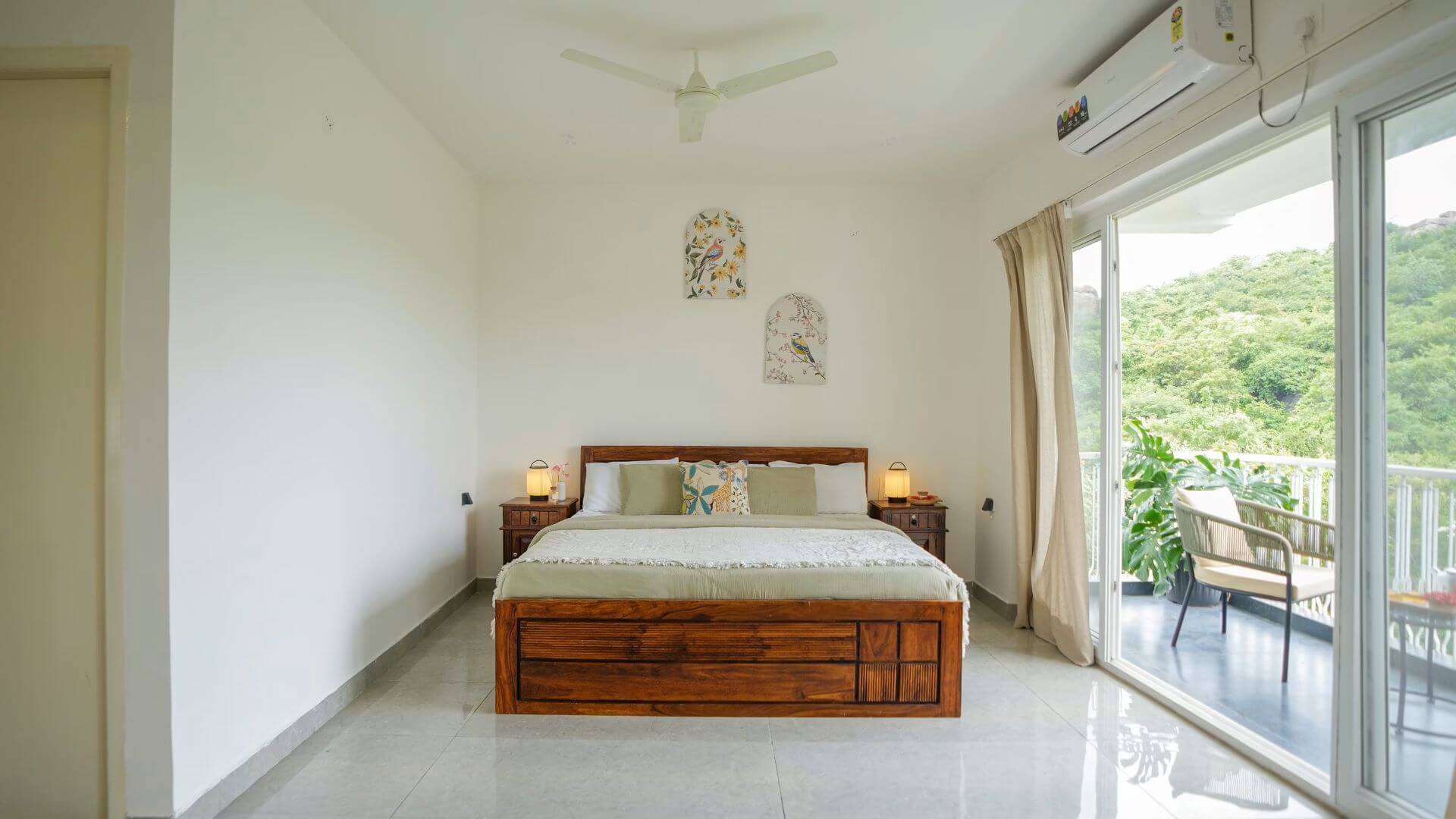
Here are key takeaways in considering short-term rentals versus long-term rentals. Many owners choose short-term rentals because they align with travel patterns. These include vacation home rentals, which are typically booked by short-term renters staying for a few days or weeks.
Compared to long-term rentals, vacation rentals are short stays that often bring higher returns per booking, especially in popular destinations where high demand is consistent during peak seasons. For example, a vacation rental home near beaches or tourist areas may attract guests looking for convenience and access to local attractions.
Income from rentals can generate cash flow, which helps offset the monthly cost of ownership. When managed properly, a rental property can generate rental income, providing passive income or even extra income that contributes to long-term savings.
Owners who use their property for only a few weeks each year often find value in renting it out during the remaining months. This allows the home to stay productive over an extended period rather than becoming an underutilized asset.
However, without a clear rental plan, the property may become a financial burden. Leaving a home unused can lead to wasting money, especially when ongoing expenses continue regardless of occupancy.
While the potential for income is attractive, it is important to understand the full range of property expenses involved in vacation home ownership.

Regular obligations include the monthly cost of utilities, association dues, and insurance. In addition, owners must account for maintenance costs and repair costs, which can increase over time depending on usage and location. These other expenses can accumulate quickly, especially for properties exposed to coastal conditions or frequent guest turnover.
Taxes also play a significant role. Property taxes, mortgage interest, and possible capital gains taxes should be considered when evaluating long-term returns. For those who choose to rent out their property, there may be additional considerations for tax purposes, depending on local regulations.
Managing a vacation rental property also involves operational decisions. Some owners prefer to be actively involved, handling bookings and guest coordination themselves. Others hire a property manager, which introduces property management fees but reduces the day-to-day workload. This can be especially useful for owners who live far from their vacation property.
The success of a vacation home investment often depends on its location. Accessibility, surrounding infrastructure, and nearby attractions all influence demand.
A beach house, for example, continues to attract interest because of its proximity to water and outdoor activities. Properties located near transport hubs or established tourist areas also tend to perform better in the housing market.
Selecting the right property type is equally important. Smaller units may appeal to couples or solo travelers, while larger homes can accommodate families or large groups. Matching the property to the needs of potential guests improves occupancy rates and overall returns.
Some buyers choose to focus on one location, building familiarity with the area and its rental patterns. Others consider multiple properties as part of a diversified portfolio, spreading risk across different markets. In either case, monitoring property values and understanding trends in real estate investing can guide better decisions.

Before proceeding with buying a vacation home, it is essential to review local laws and zoning laws that may affect property use. Certain areas impose restrictions on short-term rentals, limiting how frequently a home can be rented or requiring permits.
Guidance from organizations such as a national association of real estate professionals can provide insight into market practices and regulatory changes. These references help buyers stay informed about the broader real estate market and avoid unexpected issues.
Evaluating the current housing market also matters. Prices, interest rates, and demand levels can influence whether it is the right time to purchase. Taking these factors into account supports a more informed decision, reducing risks associated with timing and location.
A vacation home investment works best when it aligns with clear financial goals. Buyers should consider how often they plan to use the property, how much they expect to earn from rentals, and how the property fits into their overall plans.
For some, owning a vacation home is primarily about convenience and personal use. For others, it is part of a broader investment strategy, contributing to a diversified portfolio alongside other assets.
There is also a practical comparison to consider: buying a vacation home versus simply renting each year. While ownership offers consistency and long-term value, it also requires ongoing responsibility. Without sufficient usage or rental income, the property may become an extra cost rather than a good investment.
Being actively involved in managing the property can improve returns, but it may also be time-consuming. Hiring support can ease operations, but it adds to the overall expenses. Balancing these factors helps ensure that the property delivers both enjoyment and financial benefit.

A well-planned vacation home can serve as both a place for rest and a productive investment property. By understanding how vacation rentals generate rental income, preparing for property expenses, and choosing the right location, buyers can make more practical decisions.
Success depends on how the property is used and managed over time. With careful planning, a vacation property can provide consistent value that supports both memorable experiences and steady financial returns.
Check out Vista Estates’ offerings and discover properties that cater to your leisure and investment needs. Explore locations that offer long-term value, flexible living, and opportunities to grow your property portfolio with confidence today.