
July 29, 2025


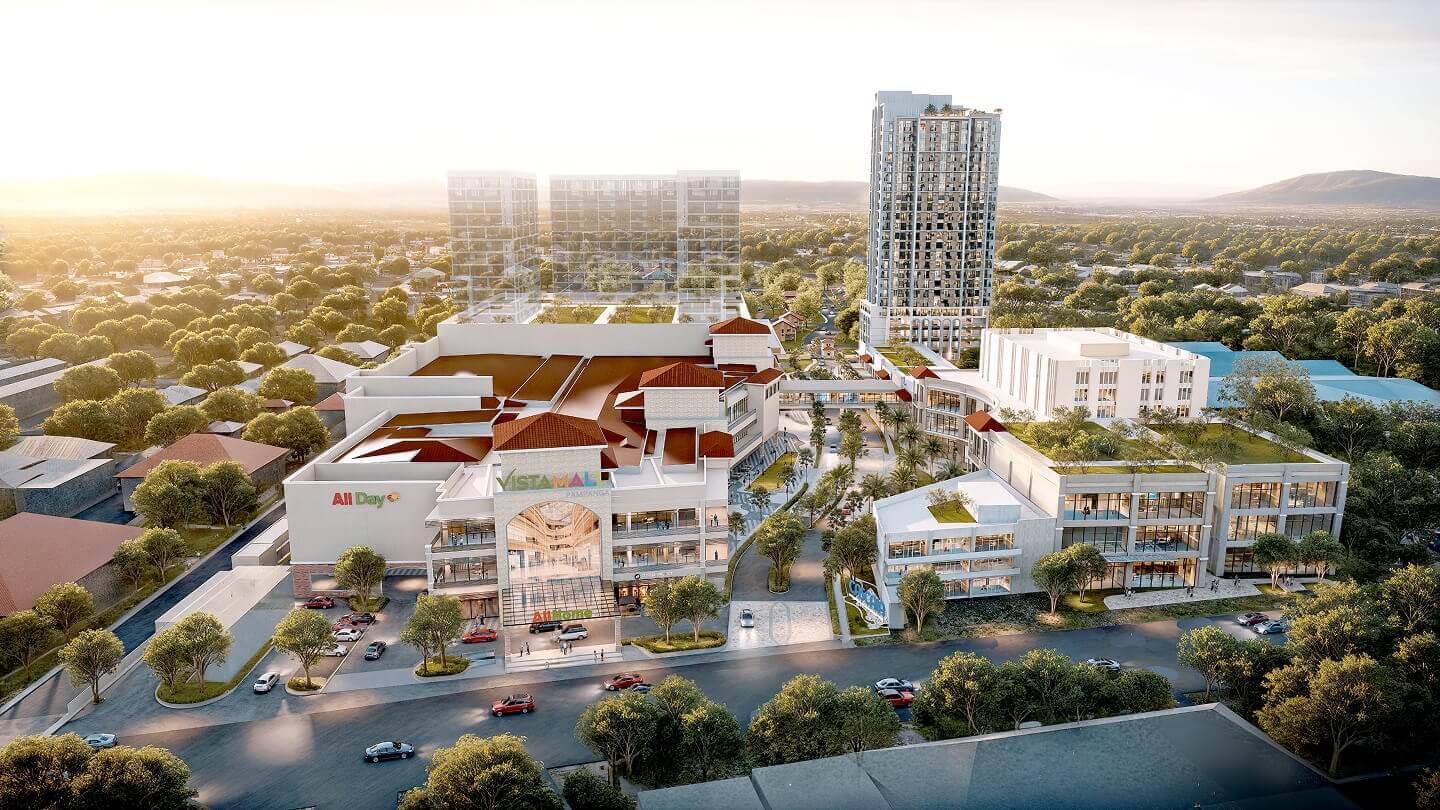
What is master planned community? At its core, a planned community begins with a single developer securing land and working through the early stages of zoning.
A small portion of each site is typically built out for own schools, clinics, office space, and recreational amenities. Utilities run underground along logically tiered streets, while arterials feed into collector roads and then quiet residential streets.
Home builders then bid on lots to deliver housing options ranging from townhouses to single-family homes, ensuring architectural harmony across many neighborhoods.
Most master planned communities allocate precisely 20–30 percent of land for open space and green areas. This deliberate reservation of green spaces and walking trails creates ecological corridors and everyday escapes, supporting both physical activity and mental well-being.
The first master planned community in the United States—Shaker Heights near Cleveland—opened around 1912. There, Shaker designs paired uniform streetscapes with parks and schools, establishing community centers before any homes sold.
Inspired by garden cities in England, these early new towns demonstrated how foresight in infrastructure and recreation builds a healthy community.
The Howard Hughes Corporation’s work in Las Vegas, especially in Summerlin, illustrates how to translate desert land into self-contained towns.
Office towers stand beside golf courses, and shopping centers complement residential neighborhoods. Phased openings ensured that amenities came online alongside the first homes, keeping momentum and interest high.
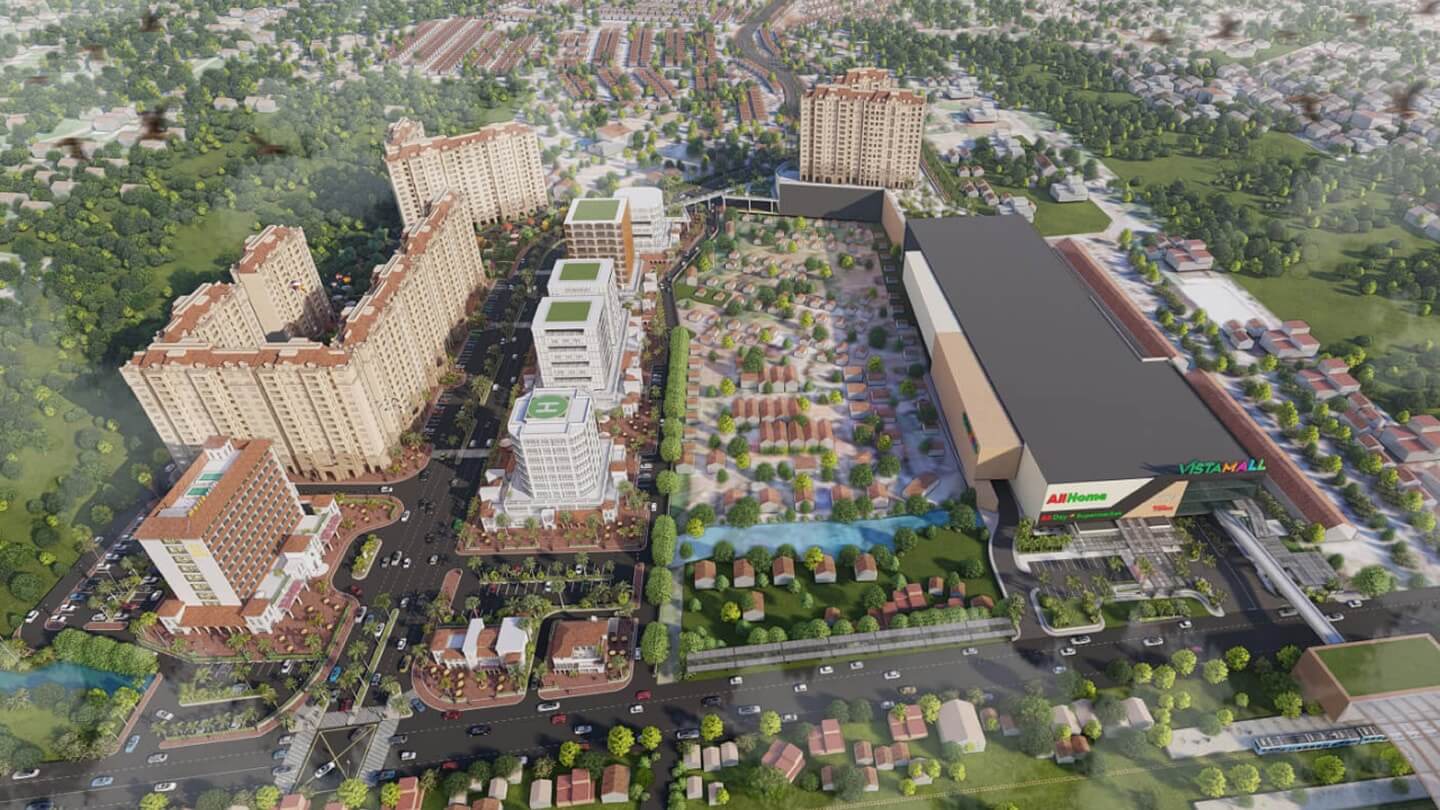
Within most master planned communities, you’ll find a spectrum of residential developments—from low-rise apartments to sprawling single-family homes.
Developers collaborate with home builders to ensure consistent lot layouts, rooflines, and façade treatments. This harmony helps families feel part of a cohesive whole, rather than disparate tracts built over decades.
Commercial properties and office space sit alongside residential clusters. Shopping centers and office towers anchor business districts that rival urban centers in convenience.
Many communities boast corner cafés, boutique shops, and co-working hubs. This makes it easy for residents to grab coffee, run errands, or head to a nearby office without fighting city traffic.
Community amenities transform these developments into large scale living ecosystems. Community centers host fitness classes, weekend markets, and town meetings for current residents.
Exclusive amenities such as swimming pools, tennis courts, and golf courses. support an active lifestyle. Hiking trails meander through preserved woodland, linking parks and playgrounds into an uninterrupted network of open space.
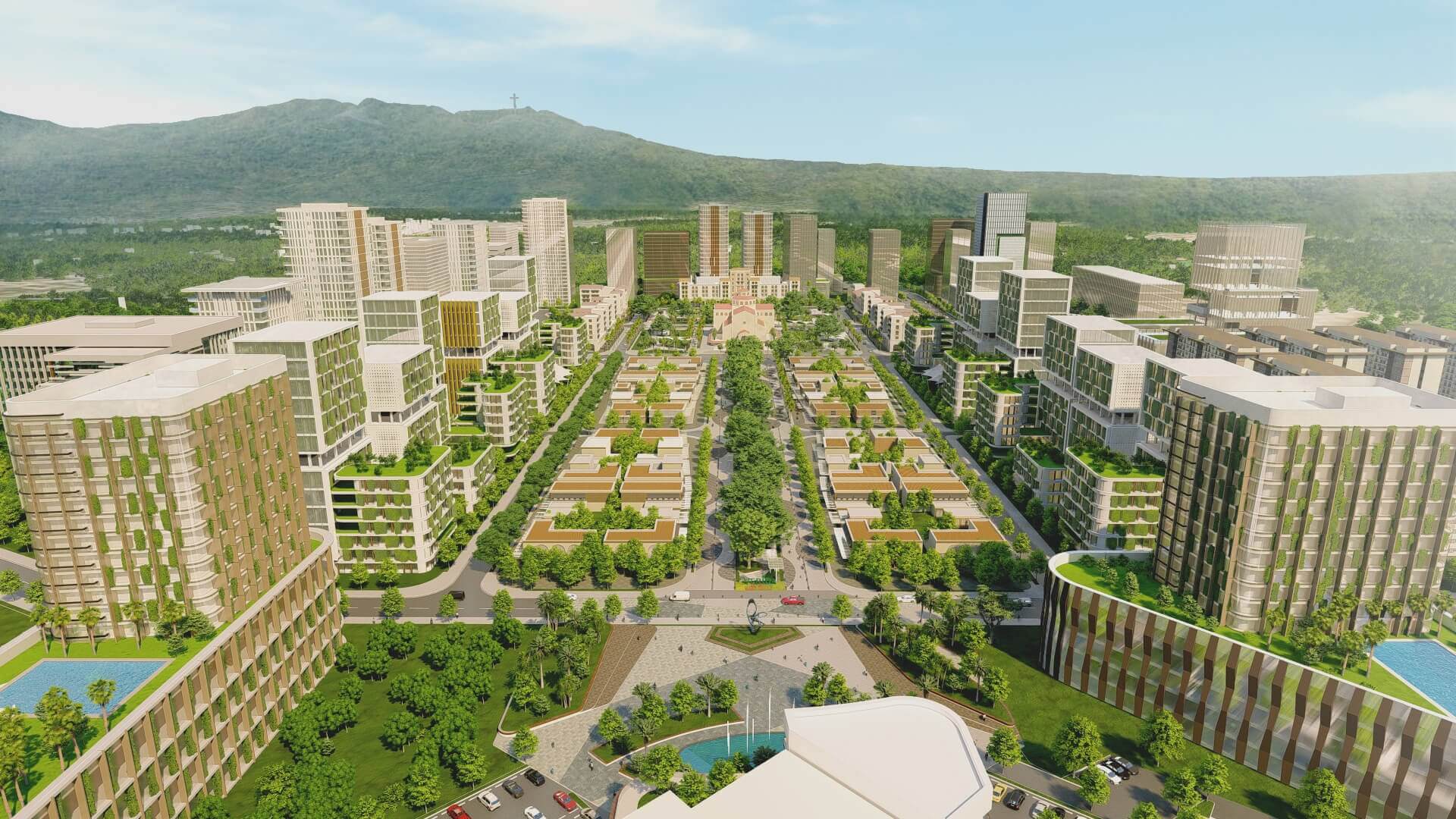
Green spaces and open space rank as a top priority. Landscaped parks and pocket gardens punctuate residential neighborhoods, offering tranquil retreats from urban bustle.
Native trees along streets reduce heat islands, while open lawns host outdoor concerts. By preserving these zones, developers cultivate a healthy community where families and singles alike can recharge.
An active lifestyle thrives when everyday exercise is effortless. Golf courses provide both recreation and green buffers between neighbourhoods. Tennis courts sit adjacent to playgrounds, while walking trails lace through parks.
These other amenities turn a simple jog into an exploration of the community’s green areas, encouraging residents to make movement part of their daily routine.
Community centers and common areas are the social glue of many master planned communities. Shaded plazas host cultural performances, while indoor halls welcome holiday celebrations.
For families, these spaces double as extensions of home—places to meet neighbours, forge friendships, and create memories.
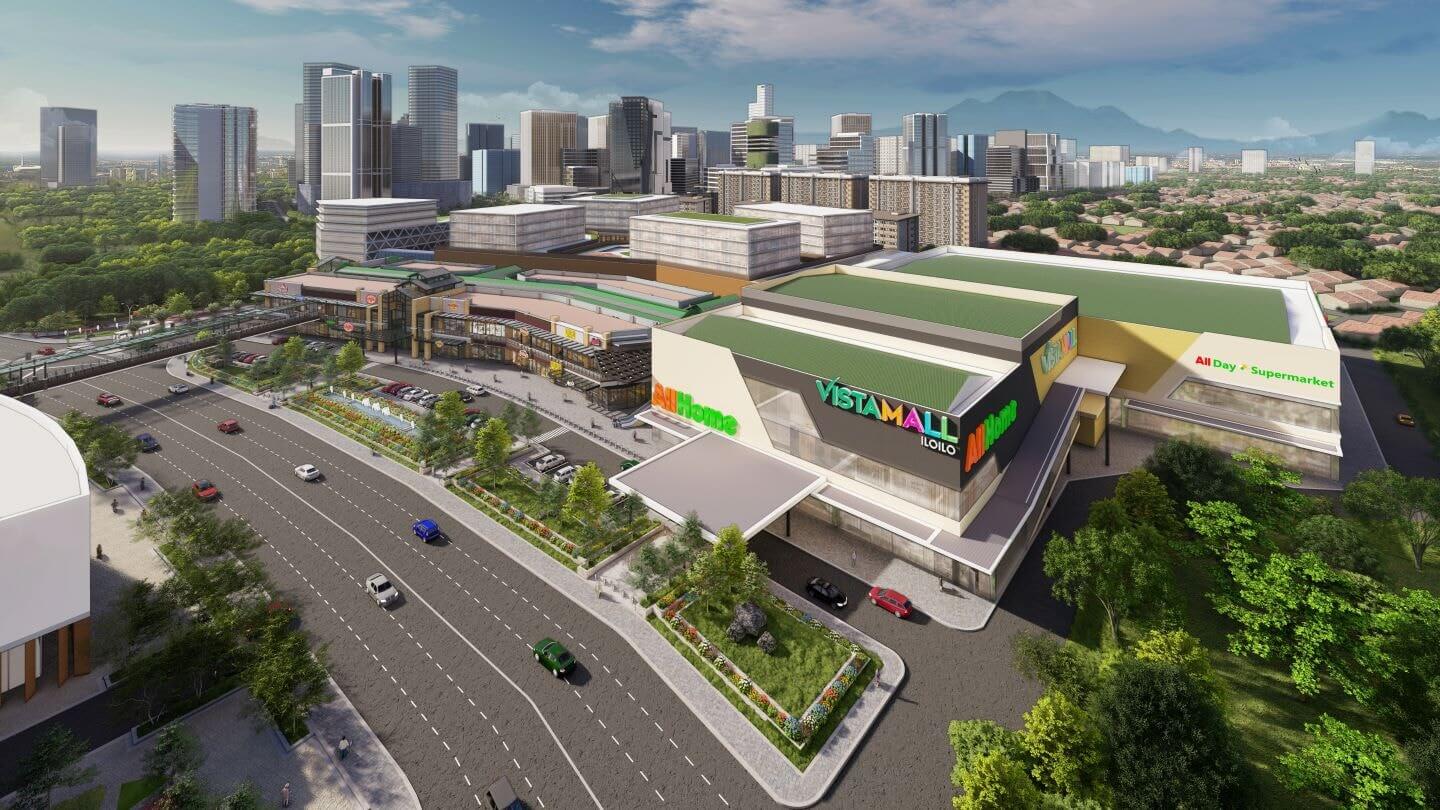
One of the major draw of a master planned community is its convenient location. By siting new towns close to urban centers or along major highways, residents enjoy easy access to job markets in major cities.
Business districts within these developments provide local employment, while shopping centers and clinics cater to everyday needs without long drives.
In new developments around major cities, such as those near big cities like Manila, developments such as Vista Estates has introduced schools, parks and commercial zones to foster a balanced urban village.
These initiatives reinforce that master planned community design can adapt to meet the demands of both city dwellers and suburban families.
Easy access to transit nodes, whether bus terminals or rail stations, further expands horizons. Residents can work in the city by day and return to the calm of their master planned enclave by dusk.
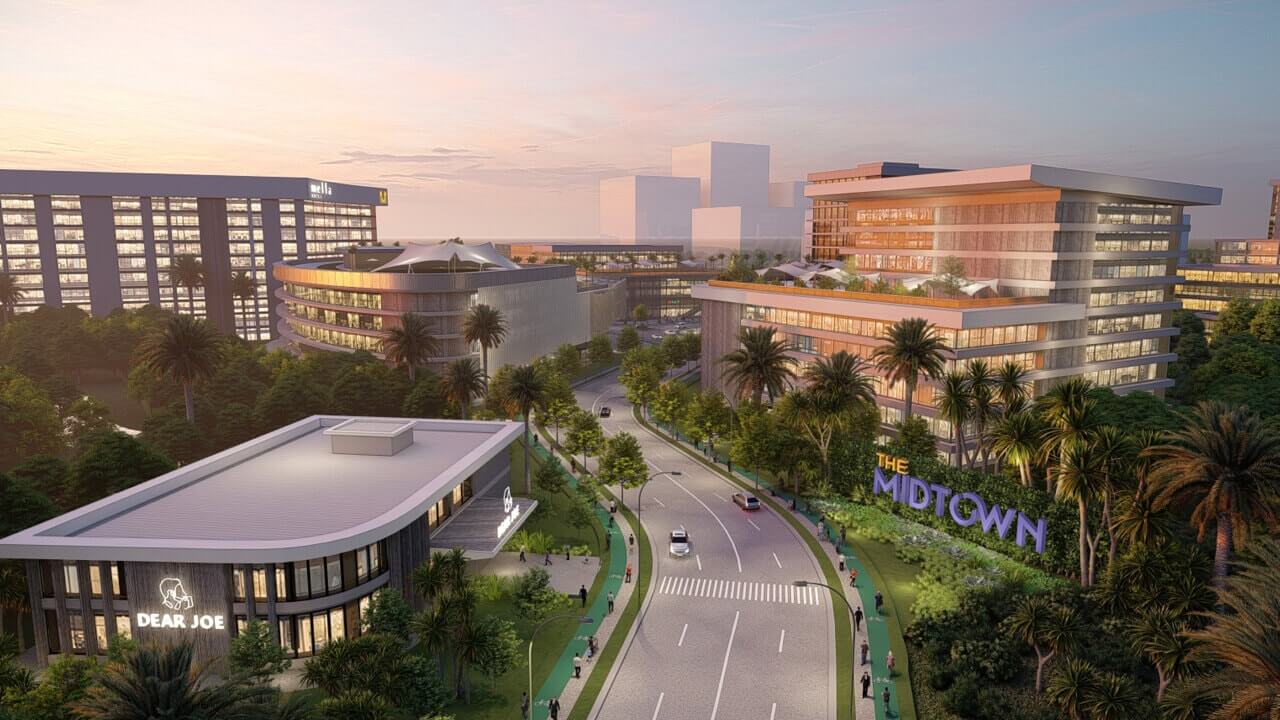
From the first master planned community in 1912 to modern Philippine estates, the planned community model delivers lasting benefits.
By uniting residential properties, commercial properties, and community amenities under a single developer’s vision, these environments offer families a balanced blend of convenience, well-being, and social cohesion.
As towns grow and lifestyles shift, the blueprint laid out in the early stages ensures that each neighborhood remains vibrant, resilient, and connected—proof that foresight in development truly matters.